
Last updated November 22, 2026
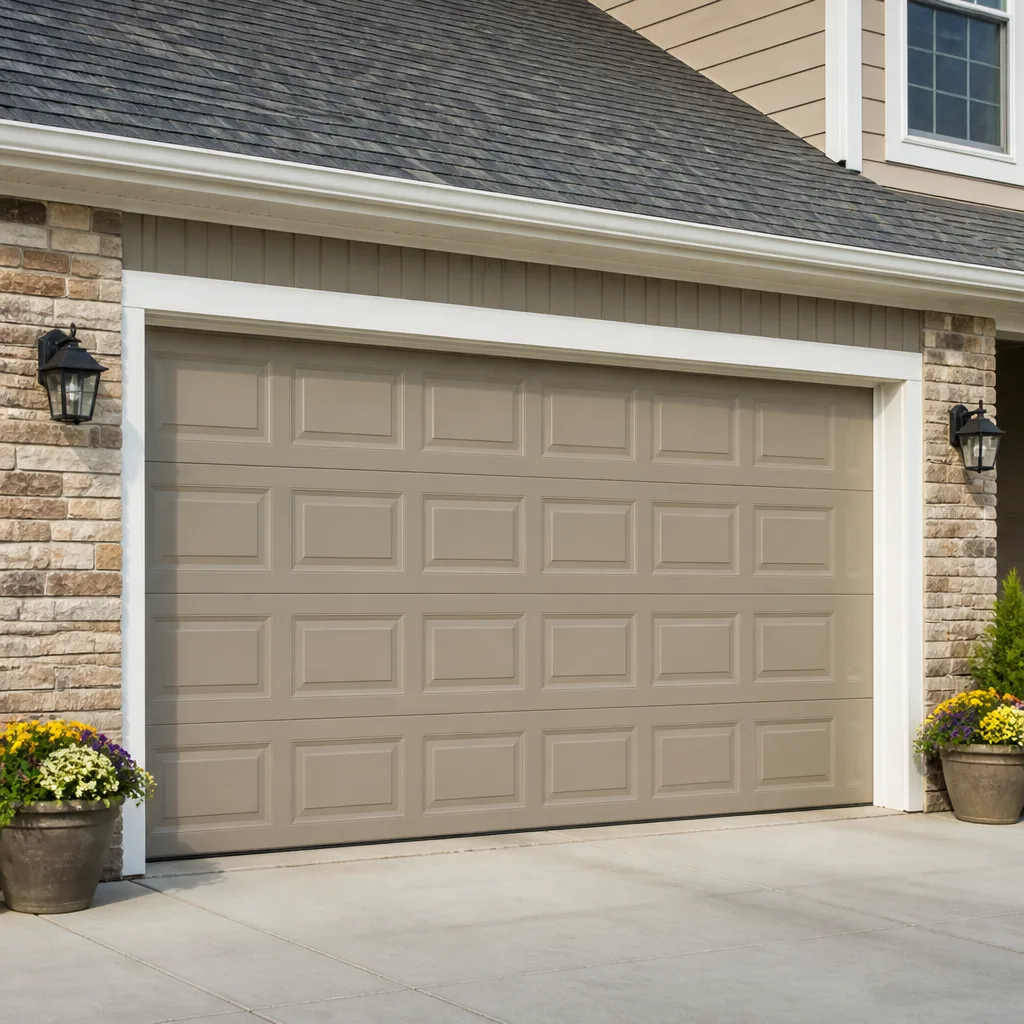 Raised-panel steel
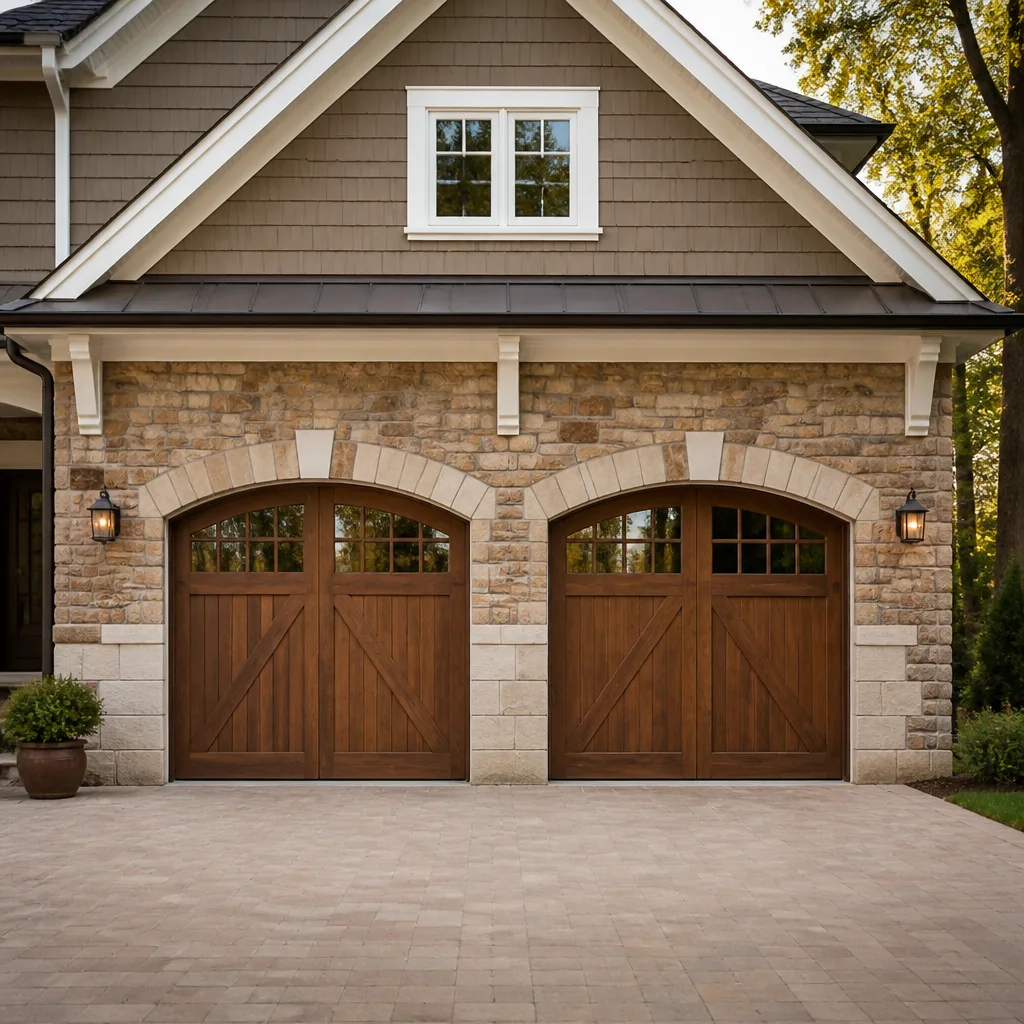 Carriage house
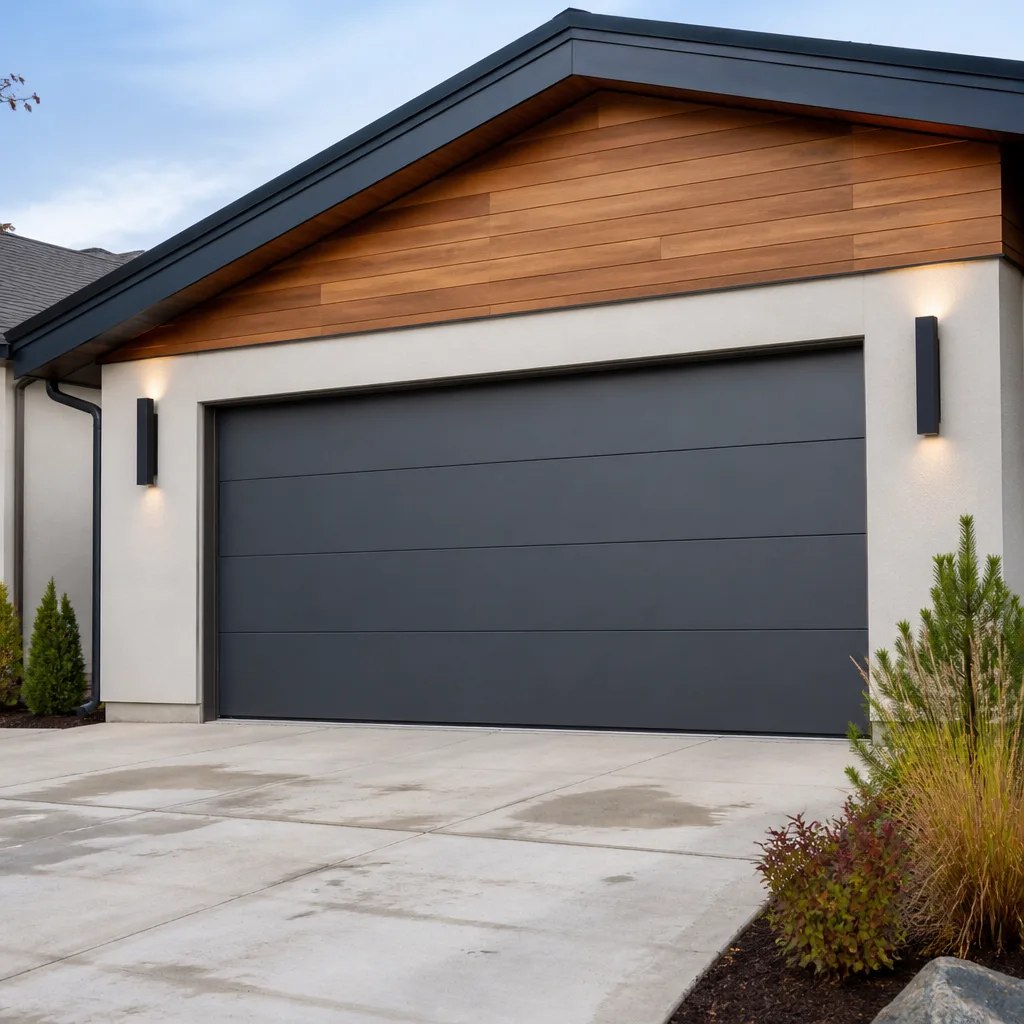 Modern flush
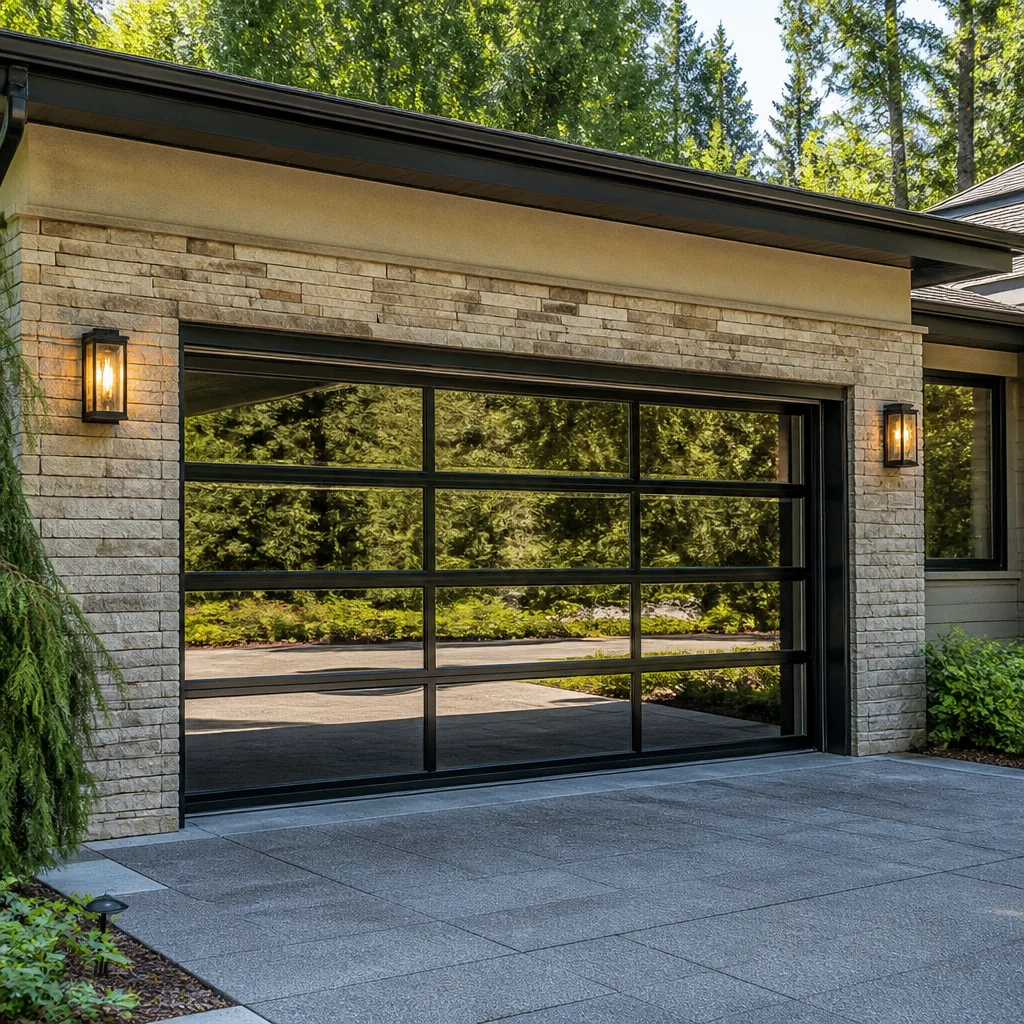 Full-view glass
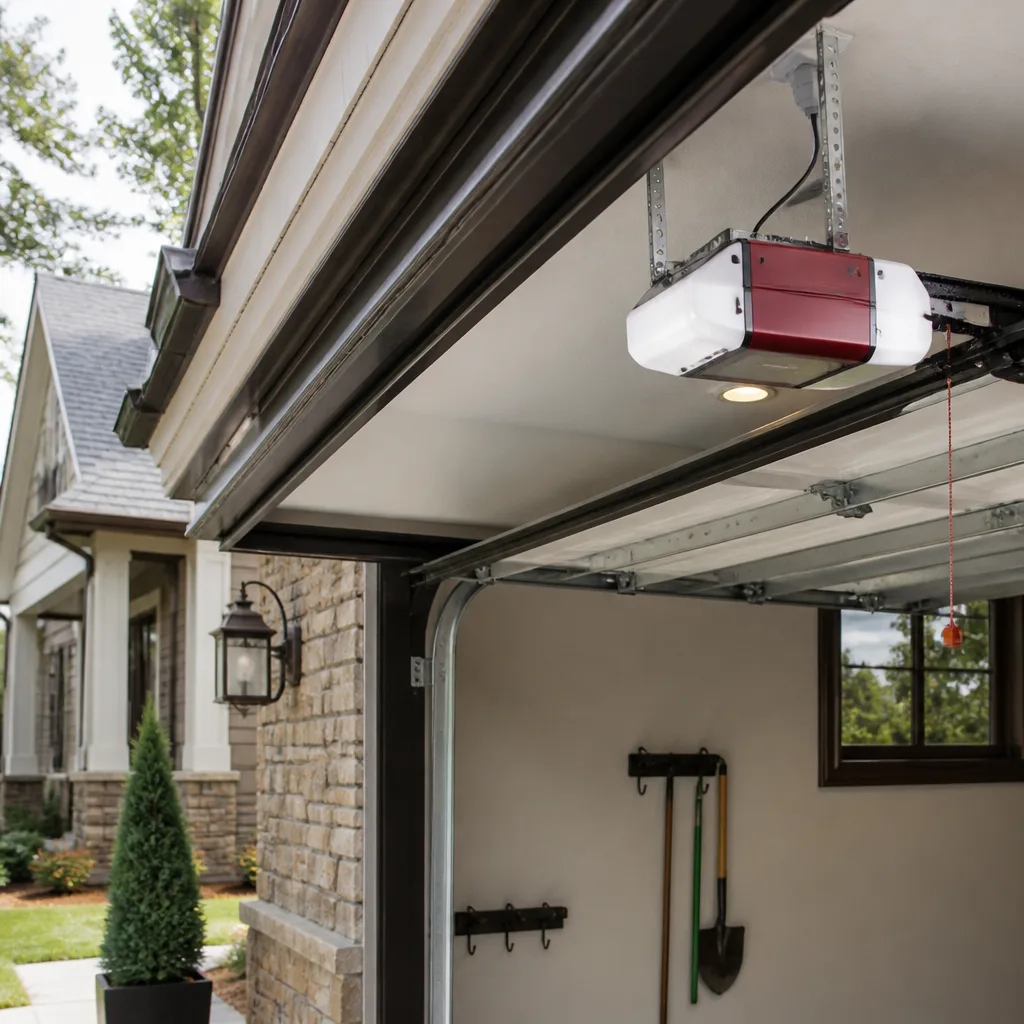 LiftMaster openers
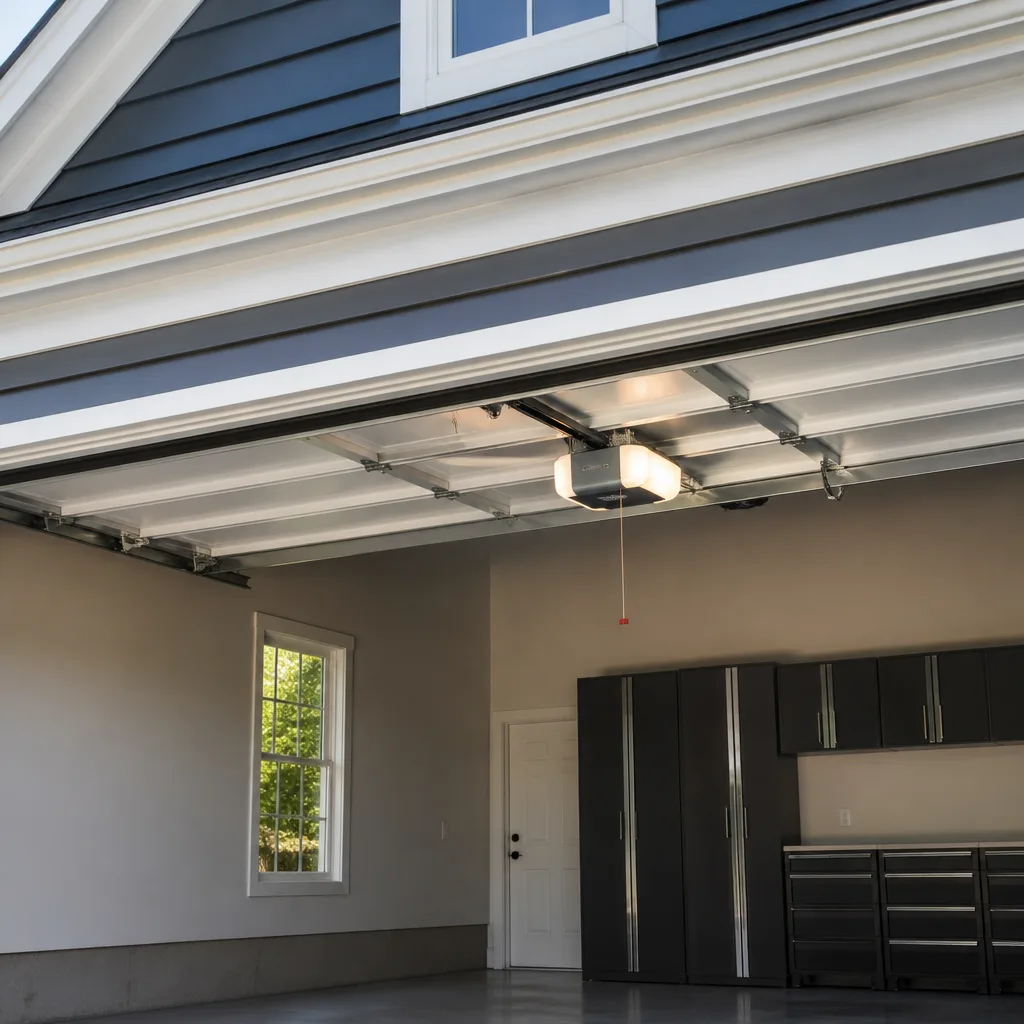 Chamberlain openers
Full 25-point door and opener safety check with every visit - springs, cables, rollers, tracks, and your LiftMaster or Chamberlain opener included
You get a price before we start. It does not change when the pro arrives.
Get your free estimateGarage Door Permits, Codes & Inspections in The Acreage, FL: What You Need to Know
Replacing a garage door with the same size door sounds like a no-permit job. In unincorporated Palm Beach County, that assumption is where a lot of homeowners get caught. A true like-for-like swap is often exempt from permitting, but the moment a project involves structural header work or any change to the rough opening, a permit requirement kicks in. A “matching” door can still mean a changed opening. If that work happens without a permit, the responsibility lands on the homeowner, not the contractor, and it tends to surface at resale or inspection. This guide explains the thresholds in The Acreage, when a permit is and isn’t required, how wind-load compliance works, how inspections run, and how HOA deed restrictions stack on top of county code.
Quick Answer
In unincorporated Palm Beach County, which includes The Acreage, a garage door replacement that keeps the same size and type of door in an unchanged opening is generally treated as exempt from permitting. Any work that alters the rough opening or involves structural header work requires a permit and an inspection. Under the Florida Building Code, doors must meet wind-load requirements for the local exposure category. HOA deed restrictions can add rules the county doesn’t, so check your parcel’s recorded restrictions before you order a door.
Styles & brands we work with
- Raised-panel steel
- Carriage house
- Modern flush
- Full-view glass
- LiftMaster openers
- Chamberlain openers
Table of Contents
- When Does a Garage Door Replacement Need a Permit in The Acreage?
- Why The Acreage Is Regulated by Palm Beach County, Not a City
- Wind-Load Compliance and the Florida Building Code
- What Happens If You Skip the Permit
- The Inspection Process and Timeline
- HOA Deed Restrictions vs. County Code in The Acreage
- Step-by-Step: Getting a Garage Door Permit Around The Acreage
- What Garage Door Work Typically Costs in The Acreage
When Does a Garage Door Replacement Need a Permit in The Acreage?
The core question is whether the project changes the building. If the answer is no, you’re usually in exempt territory. If the answer is yes, you likely need a permit from the Palm Beach County Building Division.
The county treats a garage door replacement in one of two ways, and the dividing line comes down to what actually happens to the opening:
- Like-for-like replacement, no permit: The new door matches the old one in size, style, and type, and the opening itself is untouched. No framing changes, no new header, no resizing. The track, springs, and hardware may be replaced along with the door and this is still treated as maintenance in most cases.
- Opening changes or structural work, permit required: The rough opening is resized, the header is reinforced or replaced, the framing is modified, or the door is replaced with a different type that changes how the opening carries load. This goes through the county permitting process.
Here’s the trap. A homeowner orders a door that “matches” the old one. The door arrives, and there’s a small difference in track height or header clearance. A technician modifies the opening to make the new door fit. That modification can turn an exempt replacement into unpermitted structural work without anyone realizing it. In The Acreage, where lots are generous and many homes sit on acre-plus parcels with detached garages and outbuildings, the number of openings on a property raises the odds one of them has this kind of detail in its history.
If you’re not sure which category the job falls into, the right move is to ask the county’s building department directly before ordering a door. Most permit decisions are made on paper, not in the field, so a phone call and a couple of photos are usually enough.
Why The Acreage Is Regulated by Palm Beach County, Not a City
The Acreage is an unincorporated community in Palm Beach County, which means there is no city building department to call. Permit authority, building inspections, and code enforcement all run through Palm Beach County. Homeowners have this confused because The Acreage has its own identity, a distinct zip code footprint, and a strong sense of place. But there is no city hall here. The county is the jurisdiction.
What that changes in practice:
- One permit desk. All garage door permitting questions, from door replacements to structural changes, go through the Palm Beach County Building Division. There is no local city building department with its own rules to cross-check.
- County-wide code. The Florida Building Code applies, and Palm Beach County enforces it. The county’s amendments to the code are what you or your contractor will be working with.
- Code enforcement is county-level. If a garage door project goes unpermitted and someone reports it, the complaint runs through the county, not a city office.
- Contractor licensing matches. Palm Beach County licensing rules apply to whoever performs the work, so a properly licensed contractor will be familiar with the county’s process because they work in it regularly.
The Acreage’s size makes this matter more than it would in a small town. With acre-scale lots and a mix of older and newer construction, the doors on a property aren’t all going to be the same vintage, the same brand, or the same original spec. A door replaced on one building in the 2010s may not match what stands there now. When a technician looks at a job in The Acreage, the first thing to establish is what the current opening was built for, not what the existing door looks like.
Wind-Load Compliance and the Florida Building Code
Garage doors are one of the largest openings in a home, and they take wind load like a sail if they aren’t rated for the pressure. That’s why the Florida Building Code requires garage doors to meet specific wind-load and impact requirements for the location. In The Acreage and the rest of Palm Beach County, that means choosing a door with a rating appropriate to the county’s exposure conditions.
What this means for you as a homeowner:
- Rating is part of the door, not an add-on. A door either has the wind-load rating it needs for where you live or it doesn’t. You don’t add the rating after the fact.
- Not every door sold is rated for your zone. Big-box and online options sometimes carry a generic rating. What matters is whether the specific door and its installation method are acceptable for the county’s requirements.
- Reinforcement matters. Some doors achieve higher wind-load ratings through reinforced struts, heavier hinges, and specific anchor patterns. Those details are part of the rating.
- Installation is part of compliance. A rated door installed with the wrong anchors or insufficient attachment won’t perform as designed. When a permit is pulled, the installation is part of what gets inspected.
We work on doors from Clopay, Amarr, and other major brands, and one thing we’ve learned across those lines is that two doors with the same visual style can have very different wind ratings. A quick check of the manufacturer’s wind-load documentation, matched against the property’s requirements, tells you what you’re actually buying. That’s before anyone cuts or mounts anything.
What Happens If You Skip the Permit
Skipping a permit on structural garage door work usually doesn’t cause a problem on the day the job is done. It causes a problem months or years later, when the property changes hands or when an inspector starts looking. That’s the part that surprises homeowners most: the consequences are delayed, not immediate.
Where unpermitted work tends to surface:
- Home inspections before resale. A home inspector noting a garage door header that appears modified, or a door that doesn’t match the original drawings, is where it usually starts.
- Appraisal and financing. A lender reviewing a property can raise questions when structural work on a garage door isn’t documented.
- Permit history searches. Buyers and their agents often pull permit history from the county. An unpermitted structural change on a garage door stands out.
- Insurance review. Insurers sometimes ask for documentation of structural work. Without it, the conversation becomes difficult.
- Code enforcement. A neighbor complaint or a county inspection for another reason can bring an unpermitted job to the surface.
The remediation path is rarely straightforward. Remediating unpermitted work means bringing the county in after the fact, which can involve opening things up, documenting what’s there, and potentially redoing parts of the job to meet code. The cost of doing it right the first time, with a permit on projects that need one, is nearly always less than the cost of untangling an unpermitted structural change later. For straightforward repairs that don’t alter the building, we can typically handle the job without county involvement. For garage door repair on doors that haven’t been modified structurally, that’s usually the case.
The Inspection Process and Timeline
A permitted garage door job with structural work runs through a standard county inspection sequence. Here’s how the path generally looks, from application to final sign-off. Actual timelines vary based on county workload and the specifics of the job, but the order is consistent.
- Permit application. The contractor submits the permit application to Palm Beach County, including drawings, product specifications, and wind-load documentation for the door.
- Plan review. The county reviews the submission. Most garage door structural permits are reviewed at a straightforward level, but the review is where things get flagged if the wind-load documentation or the drawings don’t line up.
- Permit issuance. Once reviewed and approved, the permit is issued and work can proceed. Some categories of work can’t start until the permit is in hand.
- Rough-in inspection. For jobs that involve framing or header work, there’s usually an inspection of the rough-in before the door goes on. The opening, the framing, and any reinforcement get checked against the approved plans.
- Final inspection. After the door is installed, the final inspection confirms the door is the correct rated product and that installation matches what was permitted.
- Sign-off and close-out. The county closes the permit. Documentation becomes part of the property’s permit history and is available to future buyers, lenders, and inspectors.
Timing varies. Some garage door permits in unincorporated Palm Beach County move through quickly when the drawings and product documentation are clean. Jobs with incomplete wind-load paperwork or unclear scope tend to take longer. When we coordinate a job that needs a permit, the documentation is where we spend the time upfront so the review doesn’t stall.
HOA Deed Restrictions vs. County Code in The Acreage
County code is the minimum. Many communities and subdivisions within The Acreage add deed restrictions on top of that minimum, and those restrictions sometimes govern things that county code doesn’t touch at all, like door color, panel style, and whether a specific manufacturer’s appearance profile is acceptable.
How to check what applies to your parcel:
- Pull your recorded deed restrictions. Deed restrictions are recorded against the property. Your closing documents or the county’s records can tell you what restrictions apply.
- Check whether your community is in an HOA or a deed-restricted subdivision. Not every part of The Acreage is. Whether you have an HOA determines which rules apply, and you can contact the county or the recorded HOA to confirm.
- Ask about architectural review. Some HOAs require an architectural review before a door change, even an exempt like-for-like swap. Skipping that review can create problems even when county code is satisfied.
- Check color and style rules. Common HOA restrictions include specific paint or stain colors, panel profiles, and window configurations. County code rarely cares about appearance. HOAs often do.
County code and HOA rules aren’t the same thing, and passing one doesn’t automatically satisfy the other. A door can be fully code-compliant and still violate a deed restriction. This is where a lot of The Acreage homeowners get stuck, especially when a door they love is code-compliant but the local deed restrictions specify a different profile or color. It’s worth clarifying before you order.
Step-by-Step: Getting a Garage Door Permit Around The Acreage
If you’re working through a project that may need a permit, here’s the practical sequence. This is a general walkthrough, not a substitute for confirming with Palm Beach County, but it covers the steps in the right order.
- Determine whether the job is like-for-like or structural. Same size, same type, unchanged opening, structural header untouched: usually exempt. Resized opening, new header, different door type that changes how load is carried: permit required.
- Check deed restrictions before ordering a door. If there’s any chance your parcel has recorded restrictions or an HOA, pull them and confirm the door you’re considering is allowed. This is where substitutions get expensive if it’s done after the door is ordered.
- Get a written estimate. A proper estimate specifies the door model, wind-load rating, installation scope, and whether a permit is part of the job. A verbal range that leaves off the wind-load documentation isn’t a full estimate.
- Confirm the wind-load rating against the county’s requirements. The door’s documentation should state a rating appropriate for the property’s location. This is not a box to check after the door is installed.
- Submit the permit application through a licensed contractor. In Palm Beach County, permitted garage door work runs through a properly licensed contractor. The contractor handles the drawings, documentation, and submission.
- Complete the rough-in inspection if applicable. Structural work gets inspected before the door goes on. The framing and any header work get checked.
- Complete the final inspection and close the permit. Once the door is installed and inspected, the county closes the permit. That documentation goes into the property’s history.
For jobs that qualify as like-for-like and don’t touch the opening, we can typically handle the replacement without going through the permit process, since there’s no structural change to inspect. When it comes to garage door repair, the same test applies: if the fix repairs the door and doesn’t alter the building, it usually stays outside the permitting path.
What Garage Door Work Typically Costs in The Acreage
Every price below is typical and estimated. The written estimate sets the final price, and the price is quoted and agreed before any work starts. County permit fees, when applicable, are separate from the door and installation cost.
| Work | Typical Estimated Range |
|---|---|
| Spring replacement (one spring) | $180 – $340 |
| Spring replacement (matched pair, replaced together) | $360 – $680 |
| Opener repair | $140 – $360 |
| New garage door installation | $900 – $2,600 |
| County permit (when the project requires one) | Varies with scope and county fee schedule |
A spring repair is one of the few jobs where the cost of the pair is usually the right call. Matched springs wear together, so replacing one and leaving the other in place is often false economy. If you’re searching for garage door spring repair, you’re looking at a job with a real safety margin in it: springs under tension are genuinely dangerous. We don’t give DIY instructions for them for that reason. A trained technician handles spring work with the right tensioning tools.
When a door stops opening or the motor stops responding, the diagnosis usually points to the opener. Opener repairs use garage door opener repair on Chamberlain, Genie, LiftMaster, and other major brands. The right diagnostic approach is to establish whether the problem is in the motor, the logic board, the sensors, or the travel limits before any parts get quoted. We handle the full service list in one place so a spring issue and an opener issue don’t turn into two separate calls with two separate companies.
Common Mistakes to Avoid
- Assuming “same size” means “no permit.” A door that matches the old one in size can still require a permitted change if the opening has to be adjusted. Check the opening, not just the door, before assuming the job is exempt.
- Ordering a door before checking deed restrictions. A door that’s code-compliant can still violate an HOA or subdivision rule. Pull the recorded restrictions for your parcel first, especially if your part of The Acreage is deed-restricted.
- Skipping wind-load documentation. The rating is part of the door, not an afterthought. Confirm the door’s rating against the county’s requirements before the order goes in, not after the crate arrives.
- Letting a contractor modify the opening without a permit. A small field adjustment to fit a “matching” door can turn an exempt job into unpermitted structural work. If the opening changes, the permit needs to cover it.
- DIY spring work. Garage door springs are under high tension and can cause serious injury. This is not a job to learn on. A trained technician with the right tools handles it.
- Not keeping the paperwork. Permit sign-off, wind-load documentation, and the door’s model number should go into the property file. Future buyers and inspectors will ask for it.
- Assuming every garage door on a property needs the same treatment. On acreage properties with detached garages and outbuildings, each opening should be checked on its own. A door that was replaced on one building doesn’t automatically match the original spec of another.
See the difference
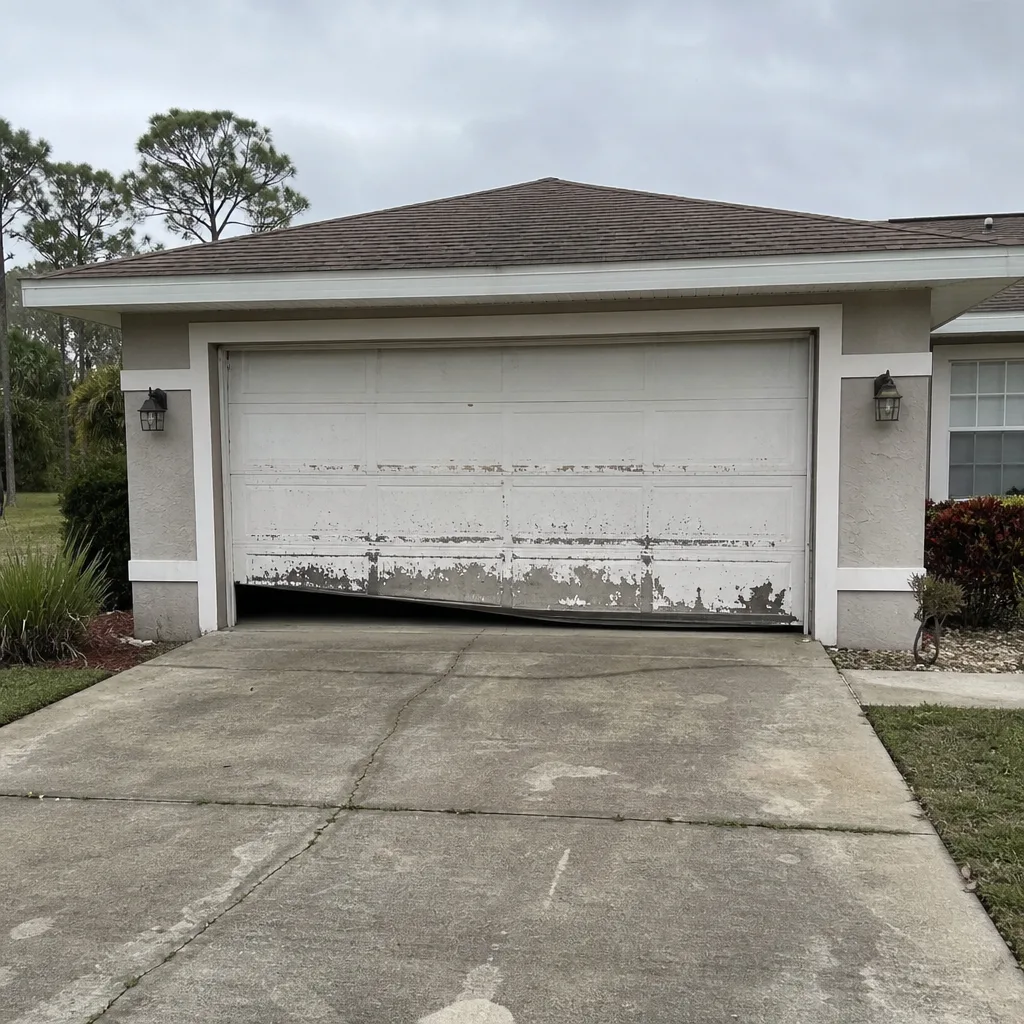 Before
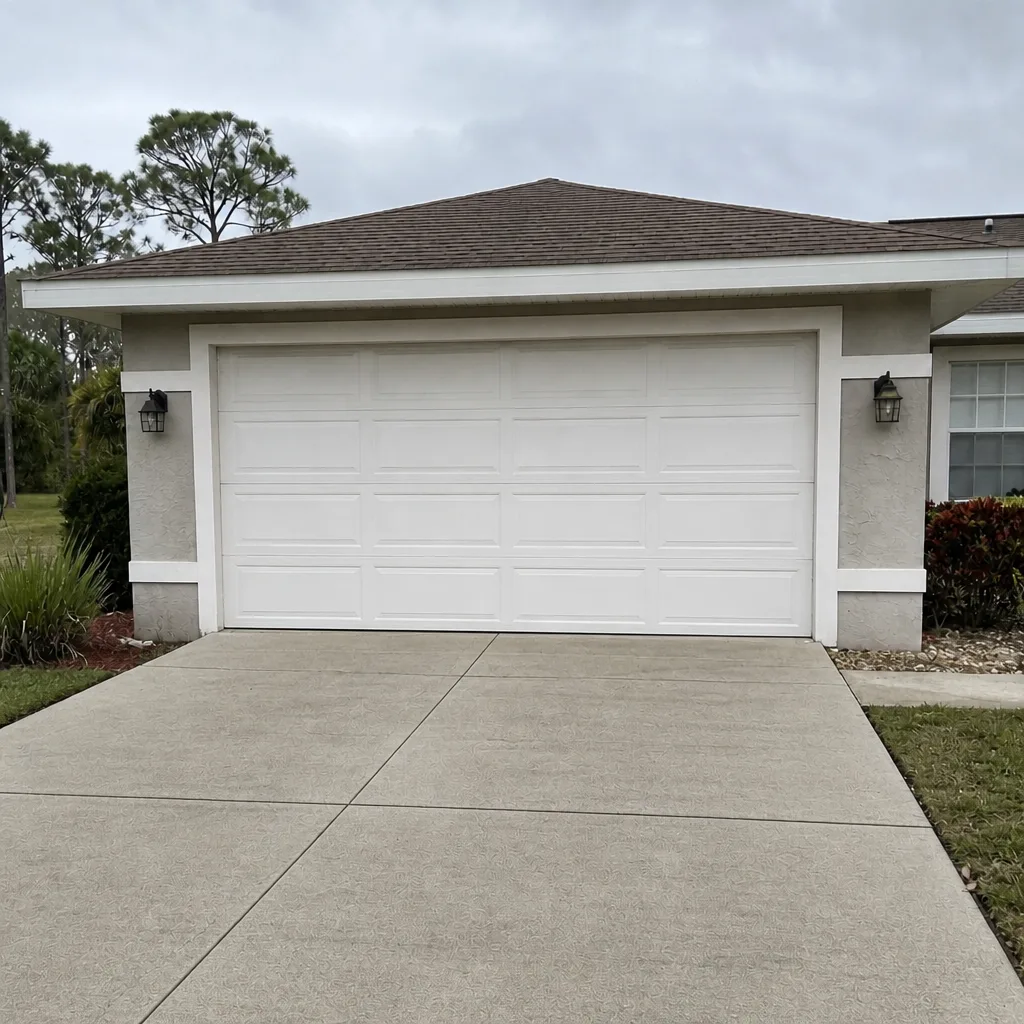 After
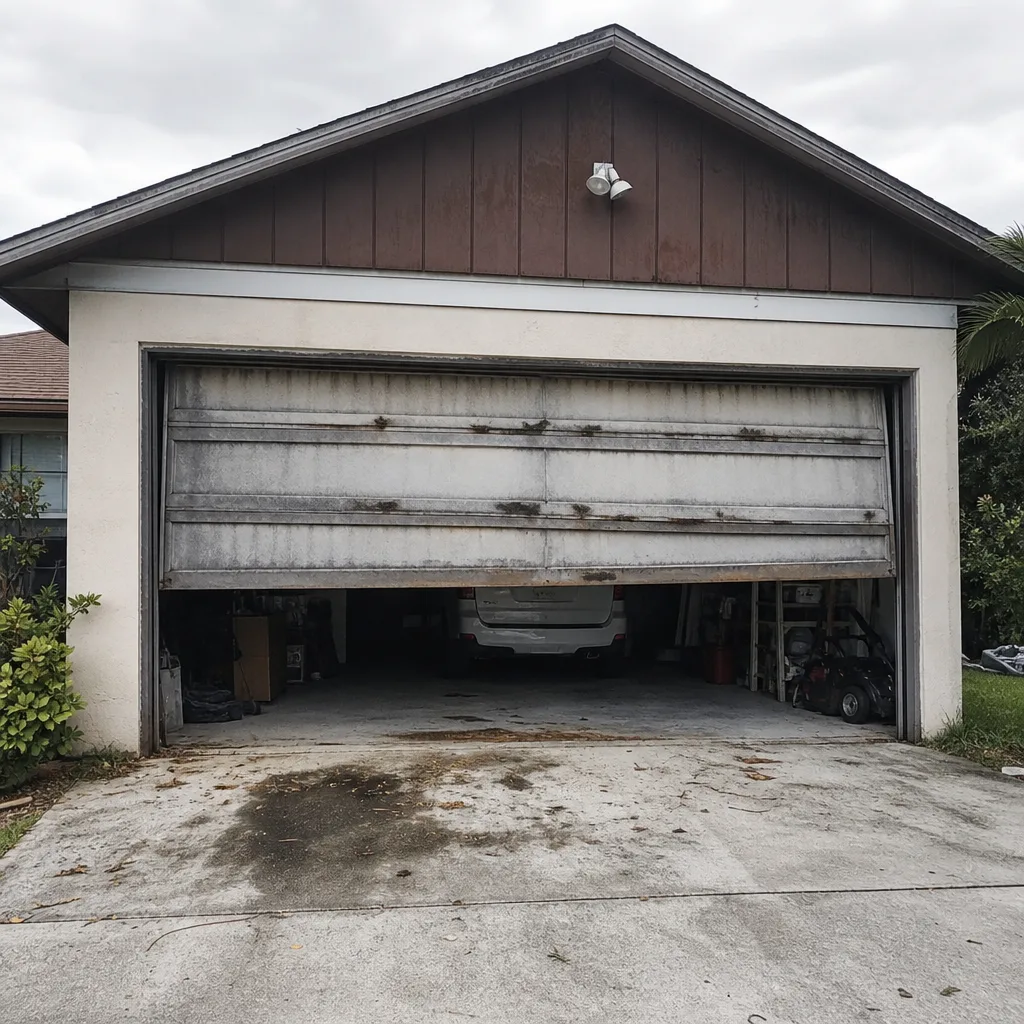 Before
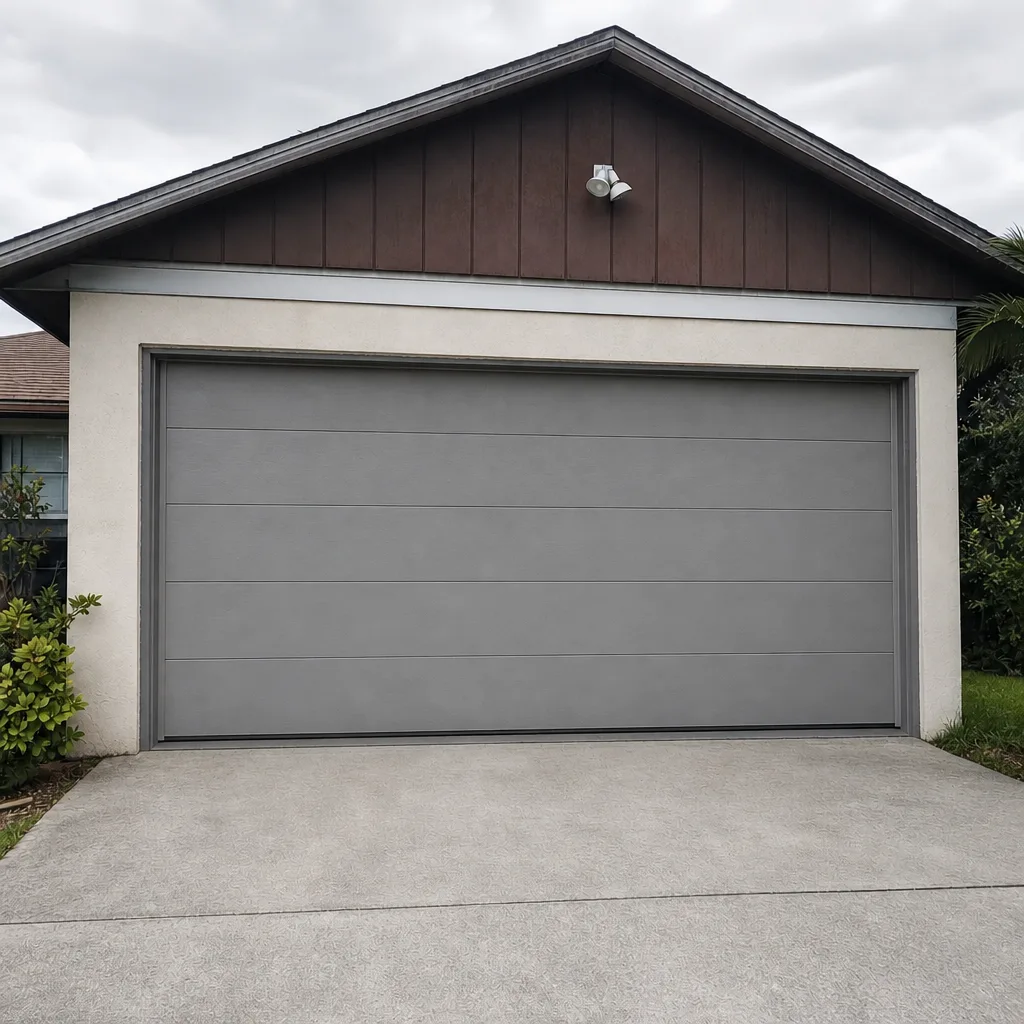 After
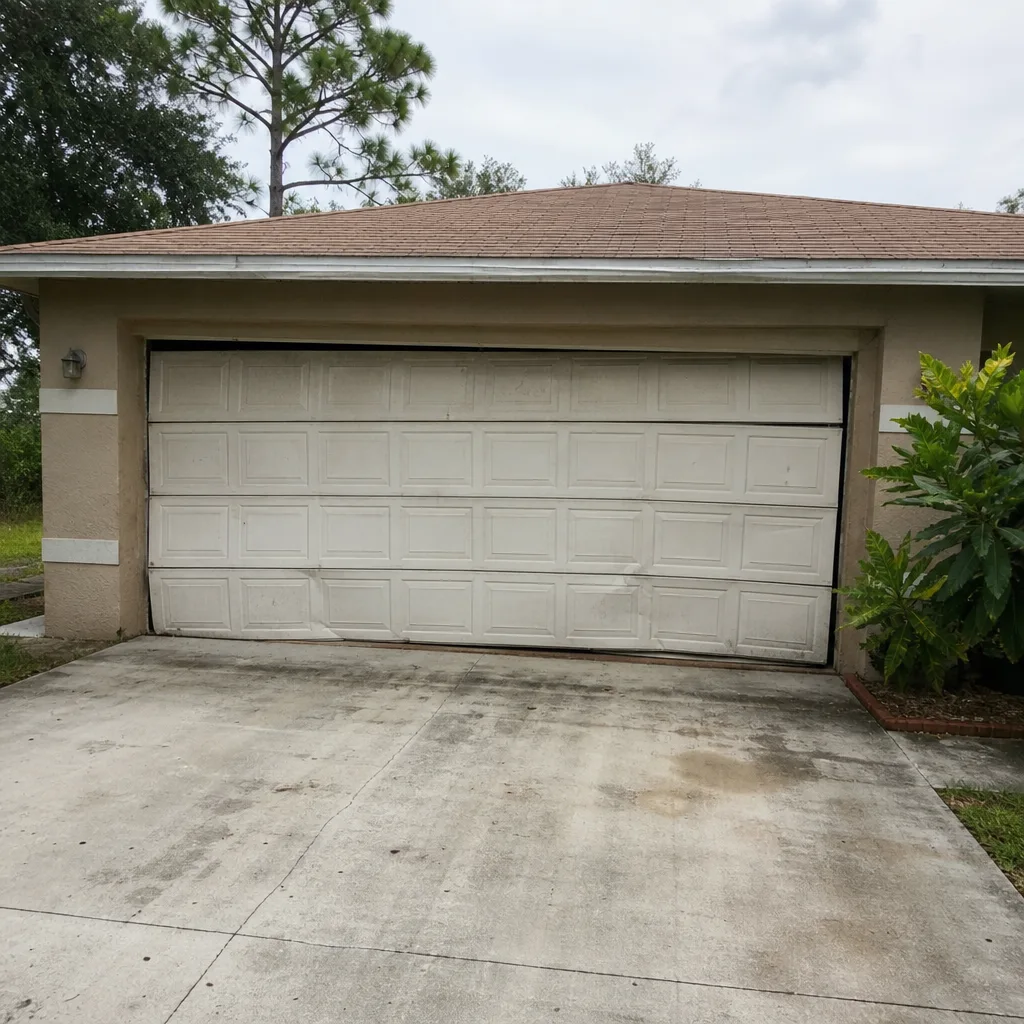 Before
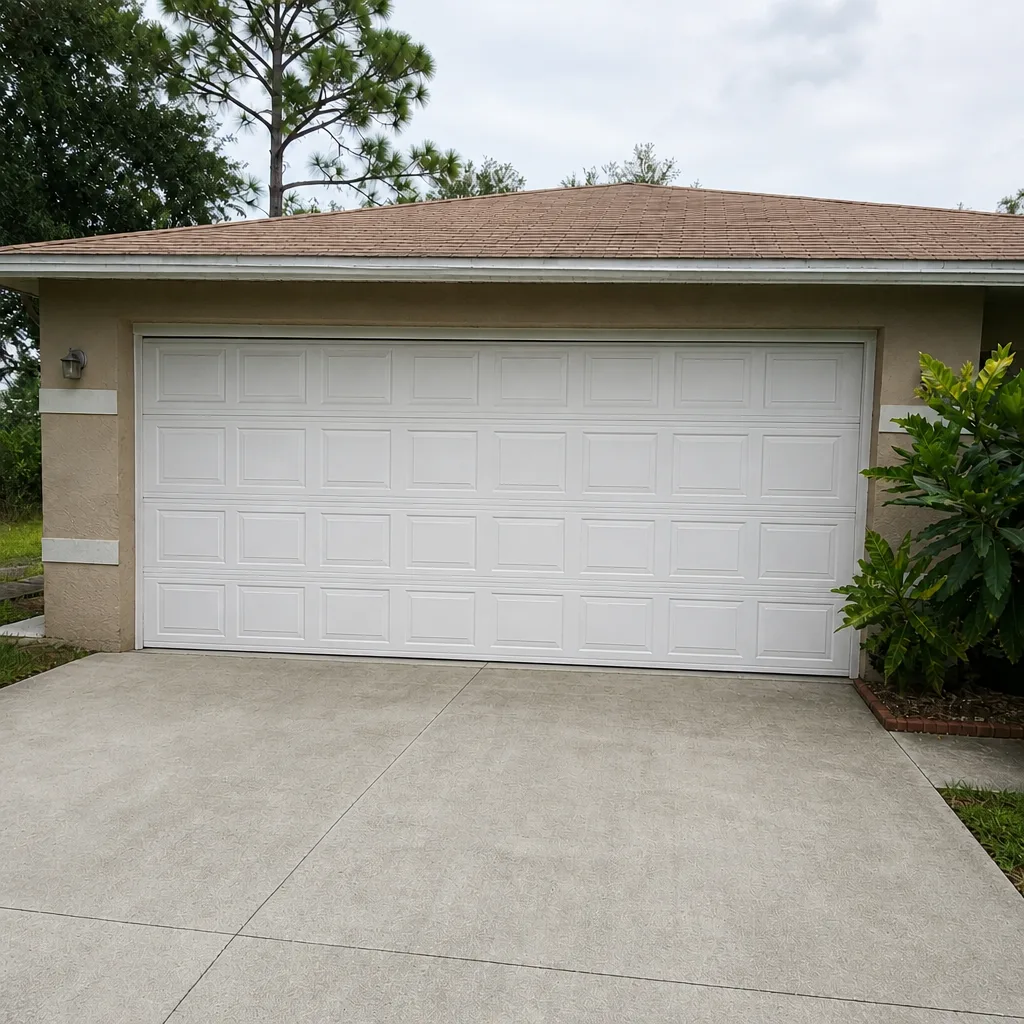 After
When to Call a Professional
Call when the job touches anything structural, when you’re not sure whether the door is a like-for-like replacement, or when the door isn’t behaving the way it should. Springs under tension, opener faults, and doors that don’t travel smoothly all belong in a professional’s hands, and the same goes for any job where the opening might need adjusting. We work on doors and openers from LiftMaster, Chamberlain, Genie, Clopay, Amarr, Wayne Dalton, Craftsman, and Raynor, so the brand on your door is likely one we work with regularly. We handle repair, opener repair, spring repair, installation, and parts supply in one place, which means one call handles the whole job rather than two companies splitting responsibility.
The Acreage Garage Door Repair offers free estimates in The Acreage. Call (855) 931-4042. We answer 24/7. Fast dispatch, 7am-7pm, Sunday through Friday.
Frequently Asked Questions
Usually not, if the new door is a like-for-like replacement in an unchanged opening. If the rough opening is resized or the header work is structural, a Palm Beach County permit is required. When in doubt, confirm with the county’s building department before ordering a door. Call (855) 931-4042 for a free estimate, and we can help you sort out which category your job falls into.
Palm Beach County issues garage door permits in The Acreage, because The Acreage is unincorporated and has no city building department of its own. All permitting goes through the county. If you’re unsure whether your project needs a permit, the county’s building division is the right place to ask.
Wind-load compliance means the door and its installation are rated to withstand the wind pressure expected at the property’s location under the Florida Building Code. Garage doors are large openings and take significant load, so the rating has to be built into the door and matched to the installation method. Not every door sold is rated for every zone, so the door’s documentation should be checked against the county’s requirements. Call (855) 931-4042 to talk through a replacement, and estimates are free.
Timelines vary with county workload and the completeness of the application, so there’s no single answer that holds for every job. Clean drawings and complete wind-load documentation usually move through plan review faster than paperwork that has to be corrected. The permit process runs in order – application, plan review, issuance, rough-in inspection if structural work is involved, final inspection, and close-out. Call (855) 931-4042 for a free estimate and we can help you plan the sequence.
Unpermitted structural work on a garage door typically surfaces at home inspection or resale, when a buyer’s inspector, appraiser, or lender asks for documentation. Remediating it after the fact usually costs more than doing the work with a permit from the start. If you’re buying a home in The Acreage, pulling the county permit history before closing is worth the time.
Start with your recorded deed restrictions, which are part of the property record, and check whether your community or subdivision has an HOA. Deed restrictions and county code are separate: a door can meet county code and still violate an HOA rule on color, panel profile, or style. If your parcel has an architectural review requirement, complete it before ordering the door. Call (855) 931-4042 for a free estimate once you know what your local rules allow.
The Bottom Line
The permit question in The Acreage comes down to whether the project changes the building. A like-for-like garage door replacement in an unchanged opening usually doesn’t need a Palm Beach County permit. Structural header work, a resized rough opening, or any change to what the opening carries does. Wind-load compliance isn’t a box you tick after the door goes on; the rating has to be on the door, matched to the county’s requirements, and documented. HOA deed restrictions can layer rules on top of county code, so check your parcel before ordering. The paperwork cost of doing it right upfront is far easier to live with than untangling an unpermitted job at resale. If the project is a straightforward repair, we can help directly. Call (855) 931-4042 for a free estimate from The Acreage Garage Door Repair. We answer 24/7. Fast dispatch, 7am-7pm, Sunday through Friday. Our technicians have up to 10 years of experience.
For help across the full range of garage door work in The Acreage, we cover repair, opener repair, spring repair, installation, and parts supply across LiftMaster, Chamberlain, Genie, Clopay, Amarr, Wayne Dalton, Craftsman, and Raynor. Whether your next step is a repair, a replacement, or just checking whether the job needs a permit, we’re glad to walk through it with you.
Written by the team at The Acreage Garage Door Repair.