
Last updated November 22, 2026
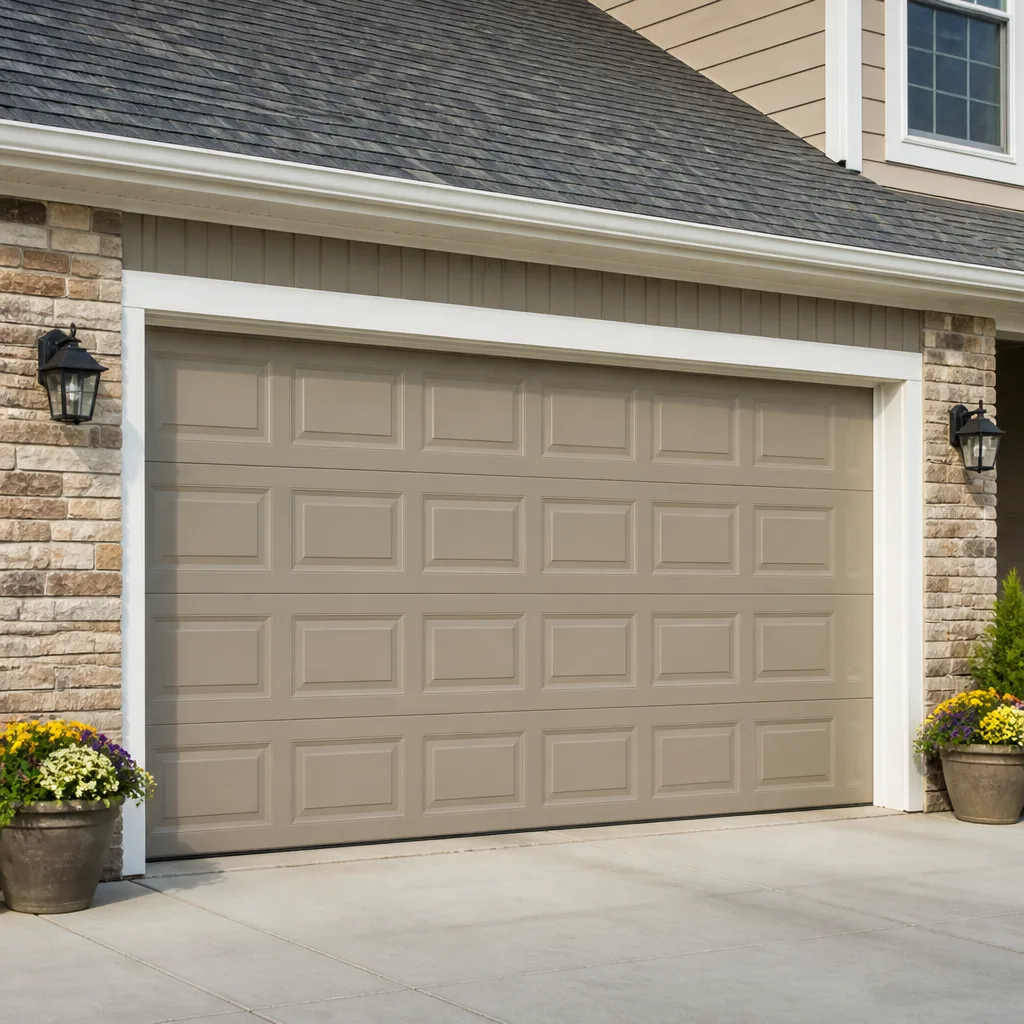 Raised-panel steel
 Carriage house
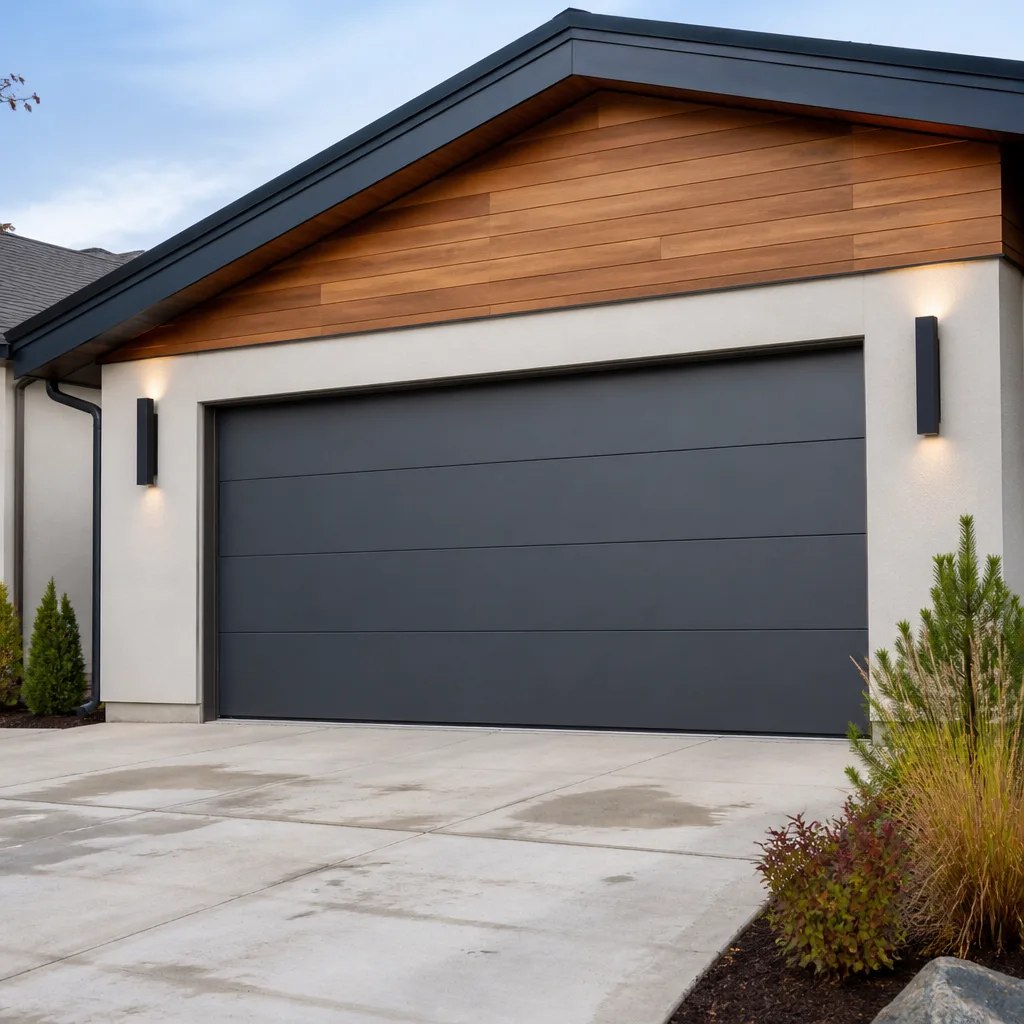 Modern flush
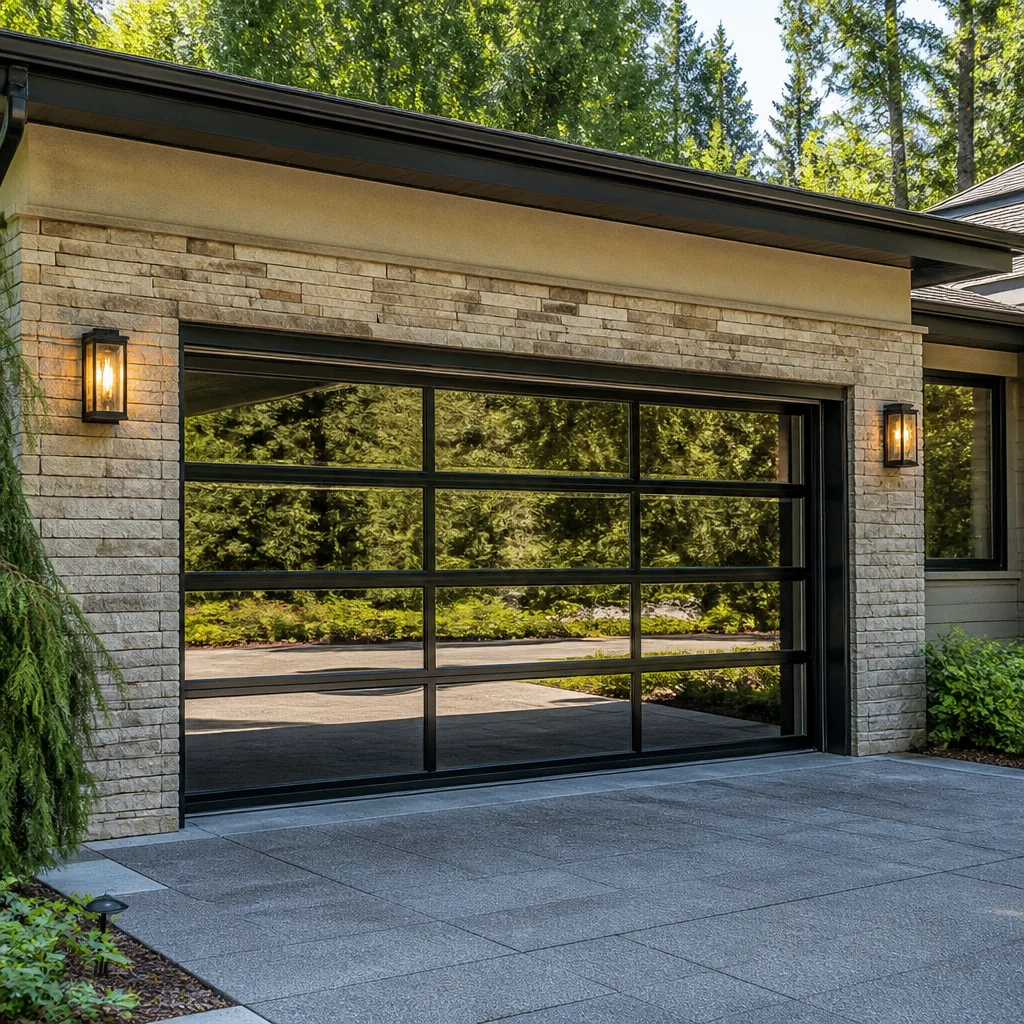 Full-view glass
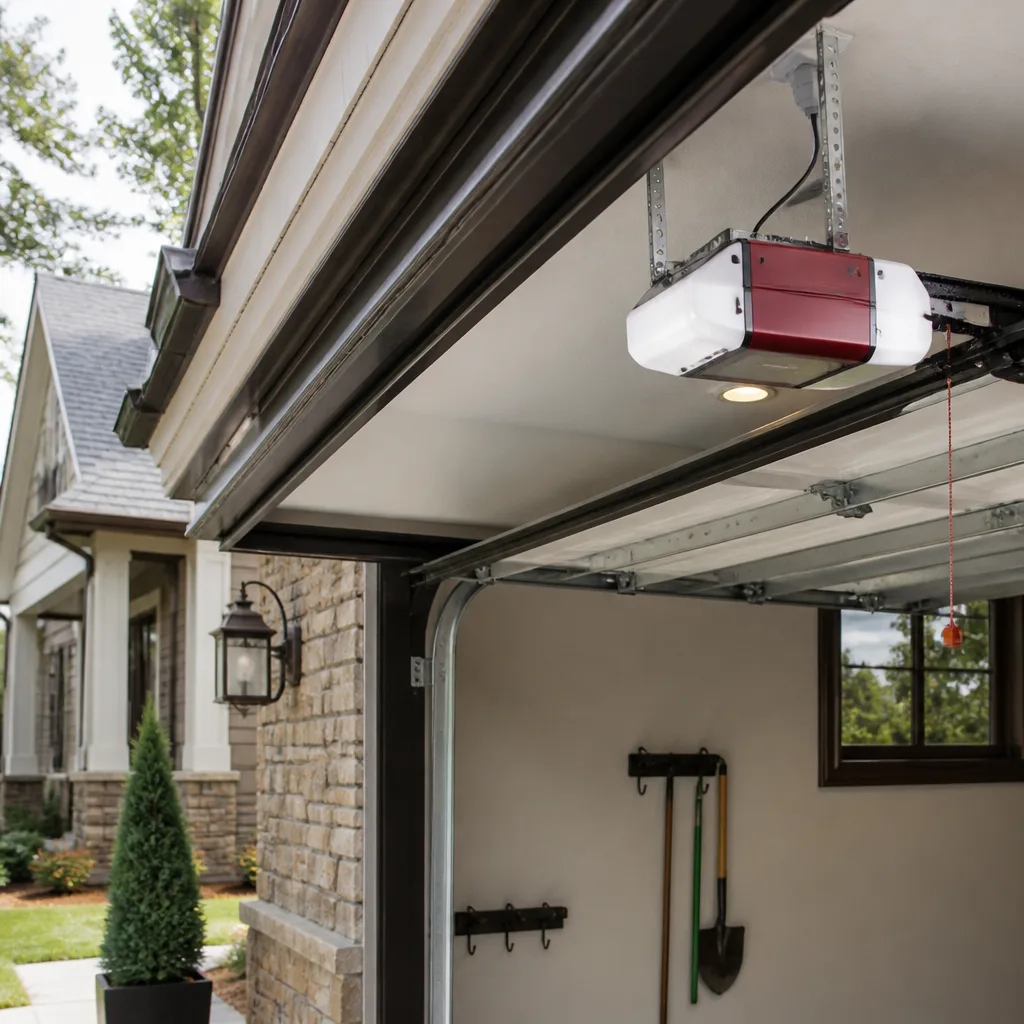 LiftMaster openers
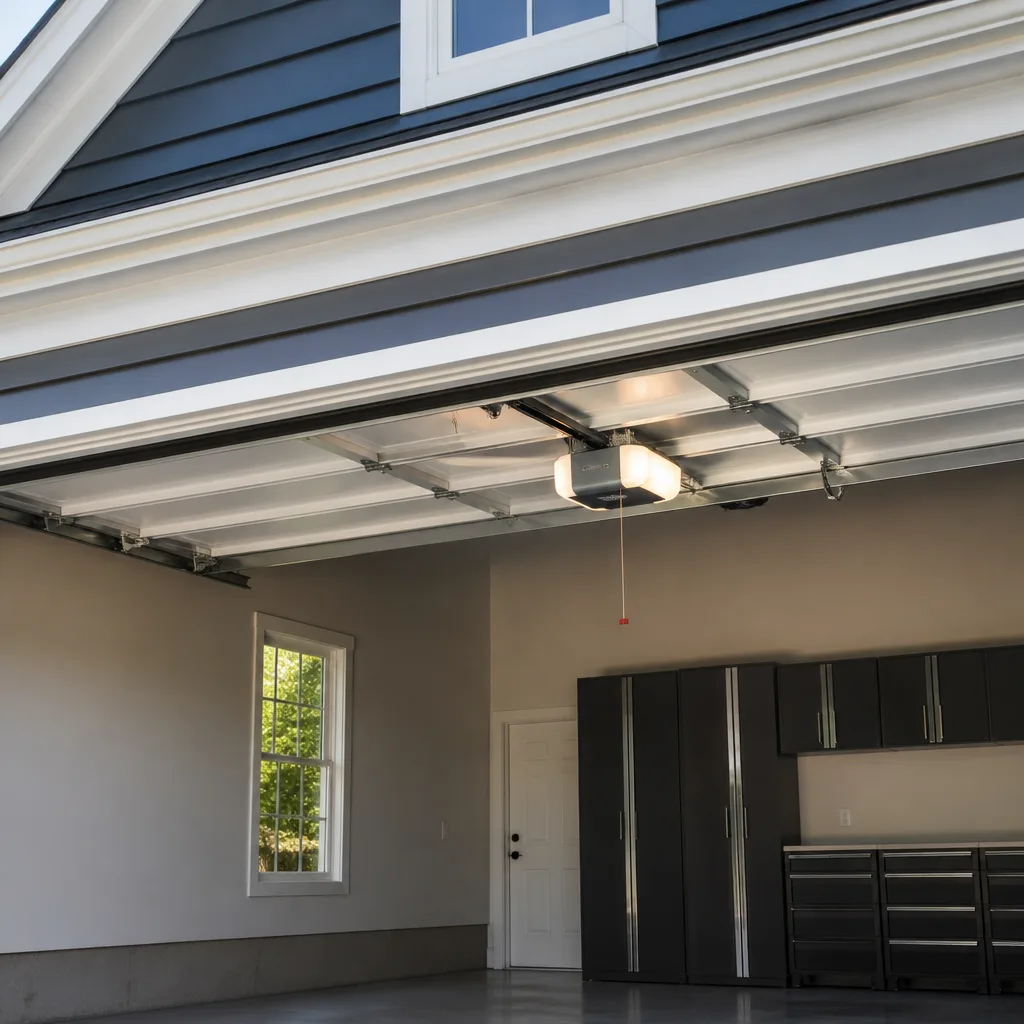 Chamberlain openers
Full 25-point door and opener safety check with every visit - springs, cables, rollers, tracks, and your LiftMaster or Chamberlain opener included
You get a price before we start. It does not change when the pro arrives.
Get your free estimateGarage Door Warning Signs: A The Acreage Homeowner’s Reference Guide
Most garage door guides wait until the door is stuck open, hanging crooked, or making a noise that scares the dog. By then you’re not reading a guide – you’re making a phone call. The useful warning signs show up weeks earlier, and in The Acreage they show up quietly. A door that opens six inches slower than it did last season isn’t a quirk. It’s a motor pulling against a spring that’s lost tension, and in Florida heat and humidity that imbalance can go from “slightly slow” to a snapped spring faster than most homeowners expect. This guide is about the early signals: what they look like, what they sound like, which ones can wait, and which ones mean you should stop using the door today.
Quick Answer
Early garage door warning signs include a door that opens or closes slower than it used to, a spring that looks stretched or has a visible gap in its coil, a grinding or scraping sound during travel, a door that won’t stay level at the halfway point, and panels or tracks that swell or shift during the rainy season. In The Acreage’s heat and humidity, these signals can move to a full failure within one season, so a slow door or a new noise is worth checking now rather than waiting for the door to stop moving.
Styles & brands we work with
- Raised-panel steel
- Carriage house
- Modern flush
- Full-view glass
- LiftMaster openers
- Chamberlain openers
Table of Contents
- Why warning signs show up differently in The Acreage
- Visual symptoms: what to look at and what you’re seeing
- Sound diagnostic: grinding, popping, and scraping
- The 30-second balance test
- How rainy-season humidity fools you into a false diagnosis
- Opener warning signs most homeowners miss
- Urgency triage: which signs can wait and which can’t
- When to call a professional
Why warning signs show up differently in The Acreage
Garage door hardware is metal, rubber, and wood under constant mechanical load. Heat changes how all three behave. In The Acreage, where summer afternoons push well into the 90s and the rainy season adds weeks of steady humidity, torsion springs, cables, rollers, and hinges are working in conditions that accelerate wear compared to more temperate parts of the country. A spring that would take a full year to lose meaningful tension in a cooler climate can lose it noticeably in a single hot season here.
What that means practically is simple: the gap between “early warning” and “failed part” is shorter. A homeowner in a mild climate might watch a slightly slow door for months. In The Acreage, a slightly slow door often turns into a snapping spring or a binding track within a handful of weeks. The warning signs themselves are the same as anywhere; the timeline is not.
There’s a second local factor worth understanding. Many The Acreage homes sit on larger lots with longer driveways, detached or oversized garages, and multiple bays. That’s more hardware in service and more opportunities for a small issue to hide. If your property has a second garage door you rarely use, it’s the one most likely to fail without warning – because nobody’s watching the early signs on a door that opens twice a month.
If you’ve ever wondered why your door felt fine in March and seemed wrong by June, this is the answer. Nothing sudden happened. The conditions simply made an existing problem worse, faster.
Visual symptoms: what to look at and what you’re seeing
You don’t need to touch anything to check most of these. Stand in the garage with the door closed, look up at the hardware, and then watch the door through one full cycle. Here’s what each symptom looks like in plain terms:
A stretched spring
A healthy torsion spring is a tight, even coil. A spring losing tension looks like a coil with uneven spacing – you’ll see gaps widening in one section compared to the rest. On an extension spring setup (the springs that run horizontally along the track), a stretched spring shows visible separation between coils and sometimes a hooked end that has opened up. The door is still working, which is precisely why people ignore it. It’s not going to keep working.
A cracked or frayed cable
Cables are thin and easy to overlook. Look at the cable running along each side of the door and check for a strand sticking out, a flat spot, or a section that looks like a frayed rope. Any of those means the cable has lost integrity. Do not touch it – cables are under tension even when the door is down. Call a professional and stop running the door until someone’s looked at it.
A bent track
Look down the length of each vertical and horizontal track from the floor up. A straight track reads as a clean line. A bent one has a visible kink, usually near the curve where the vertical section turns horizontal, or where the door has been bumped. Bent track wears rollers fast and can pull the door out of alignment.
Rollers that look flat or worn
Rollers should be round. A worn roller is flat on one side, developed a wobble, or has cracks in the wheel material. They’re cheap parts and easy to replace, but they’re also the most common source of noise complaints.
Loose or bent hinges
Hinges connect the door panels. A hinge that’s pulled away from the panel, bent, or has a loose bolt transfers stress to the panel itself. Left alone, that stress becomes a crack in the panel or a panel that separates from its neighbors.
Any of these visual signals is a reason to book an inspection. For small issues like worn rollers or a loose hinge, our garage door repair service handles it in a single visit. For a stretched spring or a frayed cable, do not run the door again until it’s been looked at.
Sound diagnostic: grinding, popping, and scraping
Garage doors talk. If you learn three sounds, you can tell a small repair from an urgent one before you pick up the phone. Stand in the garage while the door cycles – don’t ride it or push it, just listen.
- Grinding. A steady grind or a growl that gets louder as the door moves usually comes from a roller or a hinge. Metal-on-metal grinding means a roller isn’t turning, or a hinge has seized. It’s not usually an emergency, but it wears the track and the panel hinge points every time the door runs. Book it as a repair.
- Popping. A sharp pop, a series of small pops, or a bang that happens once in a cycle is a spring signal. Popping can mean a coil is shifting under load, or an extension spring is jumping its track. A single loud bang from the spring area is the classic sound of a torsion spring breaking. If you hear it, stop – don’t keep cycling the door to see if it happens again.
- Scraping. Scraping is the sound of the door or a roller rubbing against the track. It usually means track alignment is off, or a roller has come out of the track, or debris is caught the length of the rail. Scraping tends to get worse quickly because it’s self-damaging.
A fourth sound worth knowing: a rattling or grinding from the opener’s motor head rather than the door hardware. That’s an opener signal, not a hardware signal, and it’s covered below. Tracking whether a sound comes from the door itself or from the ceiling unit tells you which system needs the call.
The 30-second balance test
This is the single most useful check a homeowner can do, because it reveals spring health and opener health at the same time. Do it with the door closed. If the door is on an opener, pull the release cord to disconnect it first – this is a normal step and it’s how every technician checks a door. Then follow these steps:
- Lift the door by hand to about halfway open and stop.
- Let go. Step back.
- Watch what the door does.
A healthy door stays roughly where you put it. It might drift a few inches down but should settle. It should not slide down under its own weight, and it should not be so stiff you can barely lift it. Now check the other end: raise it fully to the open position and let go. It should stay there.
Here’s what the results mean:
- Door falls from the halfway point. Springs have lost tension. The springs are no longer carrying the door’s weight, which means your opener has been doing it instead.
- Door is very hard to lift by hand. Springs are over-tensioned, or a track or roller is binding. Either way, the opener is working against resistance.
- Door drifts down from the open position. Spring tension is uneven or a cable has slipped. Both warrant a professional look.
- Door won’t stay level, or one side is higher than the other. Cables are unbalanced or the door is binding on one side.
Reconnect the door when you’re done – pull the cord again and run the opener once to re-engage it fully. If your door failed this test, that’s your answer: book a spring inspection. If you want the full explanation of how springs fail and what replacement involves, see garage door spring repair.
One safety note while we’re here. Do not attempt to adjust, unwind, or replace a torsion spring yourself. These springs store enough energy to cause serious injury, and they’re under load even when the door is closed. The balance test is where a homeowner’s diagnostic work should stop.
How rainy-season humidity fools you into a false diagnosis
Every summer, The Acreage’s rainy season does something that looks exactly like a hardware failure. Wood door panels swell. The door gets tight in the middle, or worse on one side, or starts to bind in the middle of its travel. Homeowners hear scraping and assume a track or roller failed. Sometimes they assume worse.
Here’s how to tell the difference. A humidity issue tends to follow the weather – the door is fine on a dry week and tight on a wet one. A hardware issue doesn’t care what the sky is doing. If your door is sticky every day regardless of the weather, suspect a track, a roller, or a hinge. If the door is only sticky after days of rain and frees up when things dry out, you’re looking at swelling.
The fix for swelling is not to force it. Running the opener against a swollen door strains the motor and wears the panel edges. What works is to give the door room to travel: check that tracks haven’t shifted, look for evidence of rubbing along the panel edges, and have a technician confirm whether the door needs adjustment. Many Clopay and Amarr wood and wood-composite doors on The Acreage properties show this seasonal pattern, and it’s a fairly common reason people call a door “broken” when the hardware is fine.
There’s a related effect worth knowing: humidity also affects the hardware itself. Hinges and rollers on a swollen door see more resistance, which accelerates wear. So a swelling issue left alone for two or three rainy seasons can absolutely turn into a hardware issue. Treat it as an early warning, not a nuisance.
Opener warning signs most homeowners miss
The opener is the part people think of as “the garage door.” It isn’t – it’s the motor that lifts the door, and the door’s springs are supposed to do the heavy work. When the opener starts looking strained, it’s often reporting a hardware problem, not failing on its own. Here’s what to watch for:
- The opener hesitates or stalls at one point in the cycle. This usually means the door is binding, not that the motor is weak. Have the door checked first.
- The opener’s light flashes a code you don’t recognize. Every major brand has a diagnostic code pattern – LiftMaster, Chamberlain, Genie, and Craftsman units all use blinking light codes for different faults. Knowing the brand helps you and your technician get to the diagnosis faster.
- The door reverses before it reaches the floor, or goes back up after touching down. This can be a safety sensor issue, but it can also be the opener detecting resistance it shouldn’t be feeling.
- Grinding or rattling from the ceiling unit itself. That’s usually the motor, the belt, or the chain inside the opener – not the door hardware. Different repair.
- The remote or wall button works inconsistently. On older openers, this is a sign the logic board or the radio receiver is failing. On a 15-plus year old unit, replacement is usually more practical than repair.
If you’re seeing any of these, a diagnostic is the right first step. Our garage door opener repair service covers LensLiftMaster, Chamberlain, Genie, and Craftsman units, and one visit will tell you whether you’re looking at a door problem or an opener problem. That distinction saves real money – replacing a functional opener to fix a door that’s out of balance is one of the most common unnecessary repairs we see.
Our technicians have up to 10 years of experience with these systems across every major brand. If you have a Wayne Dalton or Amarr door with its original opener, for instance, the parts and the diagnostic process are well known to us – there’s no guessing.
Urgency triage: which signs can wait and which can’t
Not every warning sign needs the same response. Some can wait for a scheduled appointment. Some mean “stop using the door today.” Getting this distinction right is how you avoid a broken spring turning into a bent door or a car stranded in the driveway.
Signs that need same-day help
- A snapped spring. If you heard a bang and the door is suddenly extremely heavy or won’t open, the spring has failed. Don’t try to force it – the opener can lift a door with a broken spring, sometimes, but it damages the opener and the door.
- A detached or frayed cable. A cable that has snapped or is visibly damaged can whip and cause injury. Stop using the door and call.
- A door that’s off its track. Running it further can bend panels, damage hinges, and turn a track repair into a full door replacement.
- Car stuck inside the garage. A car trapped behind a failed door is a same-day problem for anyone with a job, a school run, or a delivery schedule.
- A door that won’t close and stays open overnight. An open garage door is an open door to your home. Same-day service is the right call.
Signs that can wait for a scheduled appointment
- Worn rollers, small hinge noise, or a slow grind that hasn’t changed in weeks.
- A door that opens slower than it used to, still operates normally otherwise, and stays level.
- A seasonal swelling issue that clears up between rains.
- A single opener that’s flaky but the door itself cycles fine.
- Cosmetic panel damage from a car bump – as long as the door still travels level and the hardware hasn’t shifted.
When in doubt, call and describe the symptom. We answer 24/7. Fast dispatch from 7am to 7pm, Sunday through Friday. A clear description of the sound or symptom usually tells us whether you need today or next week. If you’re locked in or out, we treat that as a same-day call and can dispatch a technician out of hours if it means getting a door open or shut safely.
Common Mistakes to Avoid
- Waiting until the door stops moving. The early signs are exactly the ones you can fix cheaply. A stretched spring is a spring replacement; a spring left alone until it snaps often means a cable replacement and a door that’s out of balance. In The Acreage’s heat, “wait and see” burns weeks.
- Greasing the track to fix a scraping sound. Lubricant on the track attracts dust, which grinds even harder on the rollers, and it doesn’t fix a bend or a misaligned track. Scraping is a mechanical issue, not a lubrication issue.
- Bumping the opener’s force setting when the door slows down. Cranking up the force setting can hide a spring problem – and an opener with too much force applied to a weak spring is a bigger safety risk. If the door is slow, diagnose the door, not the opener.
- Assuming a swollen wood door is a hardware failure. In The Acreage’s rainy season, swelling is the most common false diagnosis we see. Force the door and you damage the opener.
- Testing the balance by pushing the door manually without releasing the opener first. Always pull the release before hand-testing. The opener’s resistance makes the door feel stiffer than it is.
- Replacing the opener to fix a door problem. If the door is out of balance, a new opener will fail too. Diagnose the door before you price the opener.
- Trusting a repair that doesn’t name the part. “Fixed your garage door” without a specific part is a repair you can’t evaluate. Ask which spring, roller, or hinge was replaced.
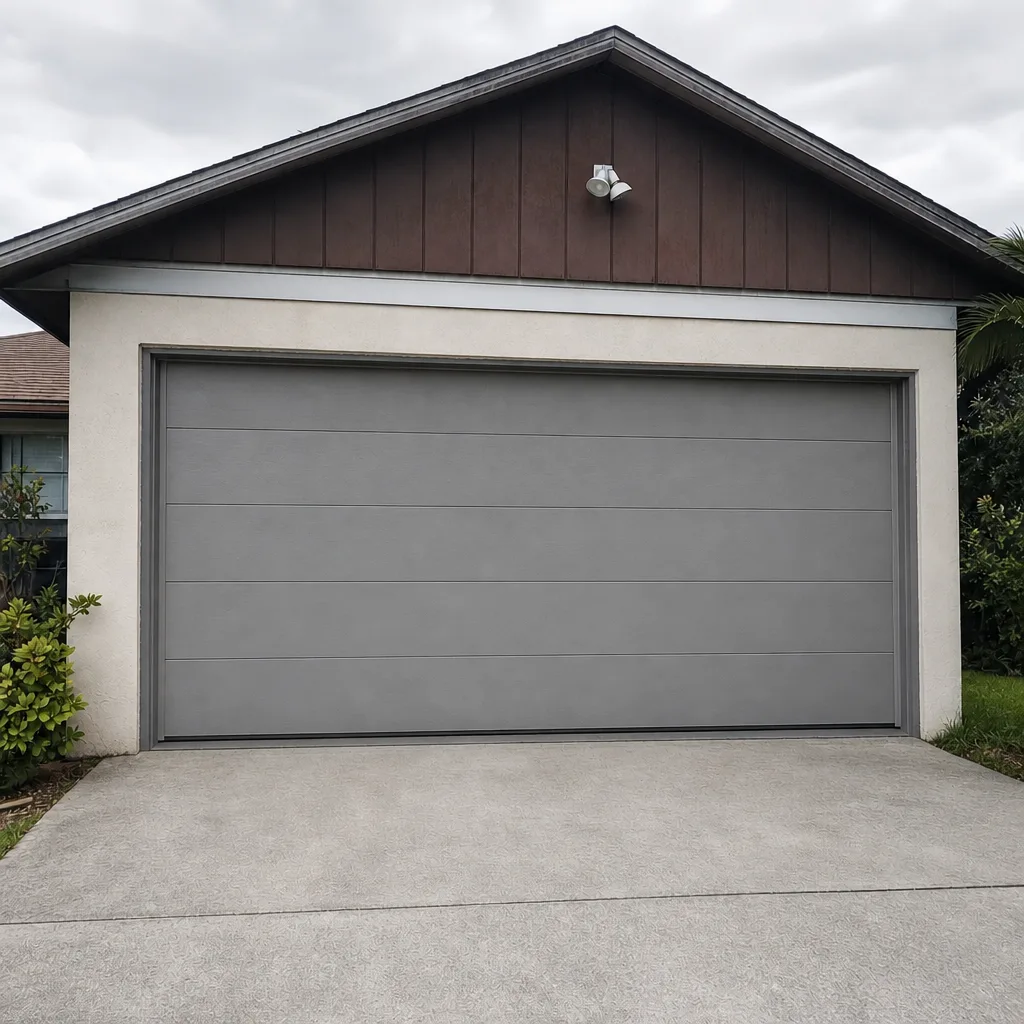
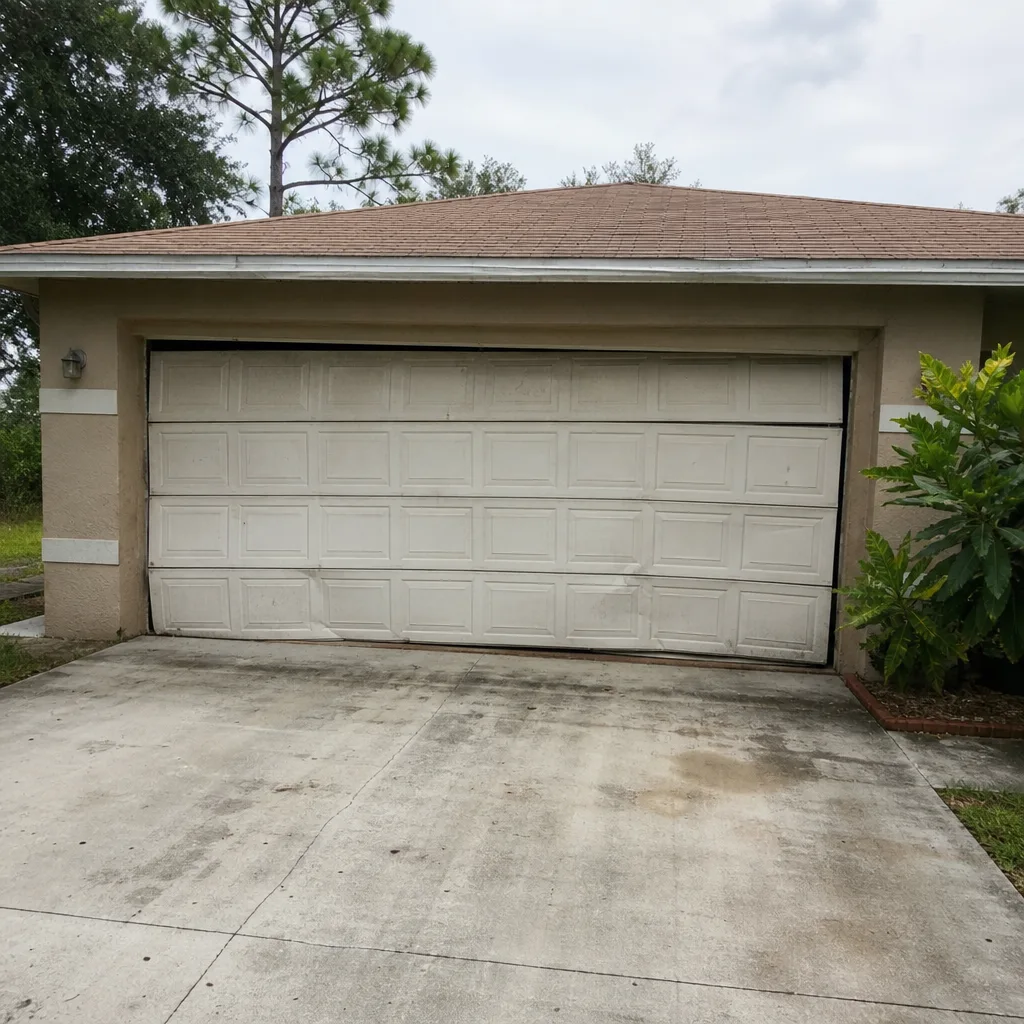
See the difference
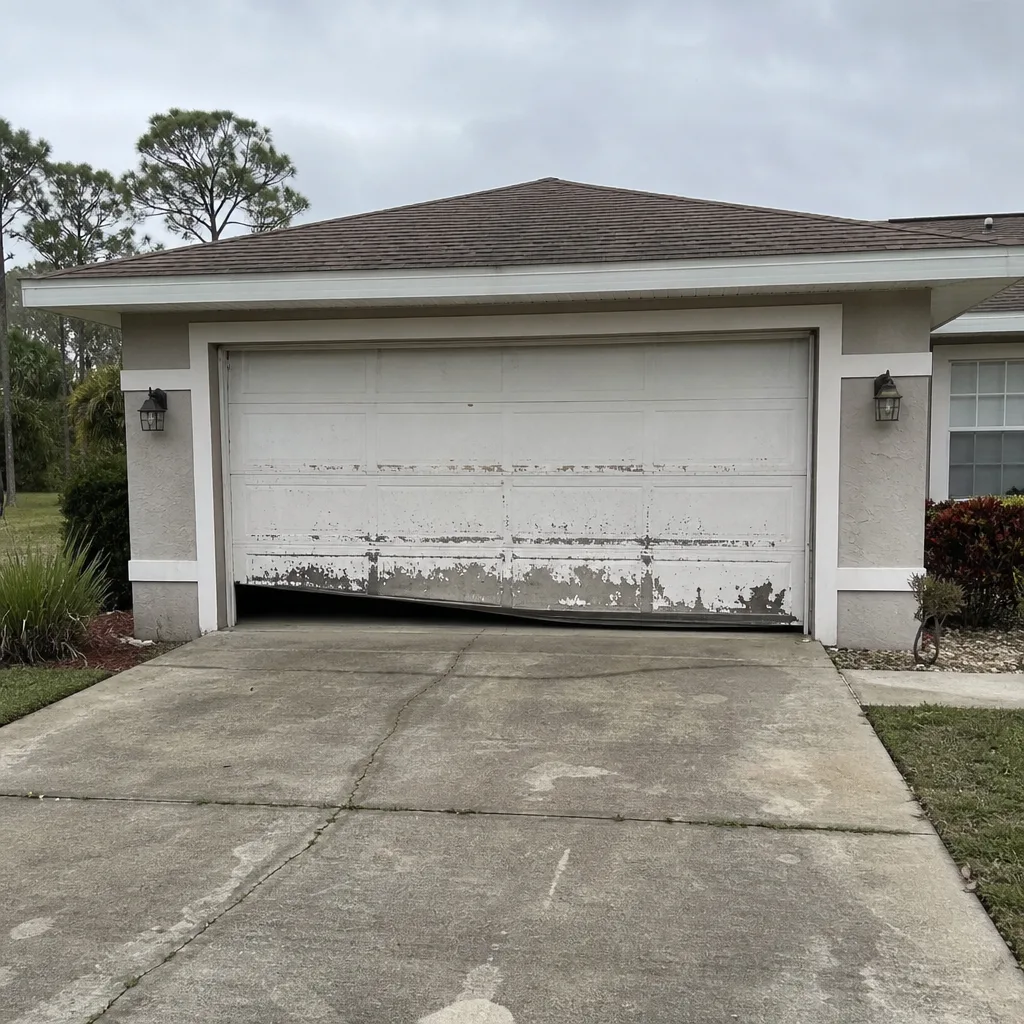 Before
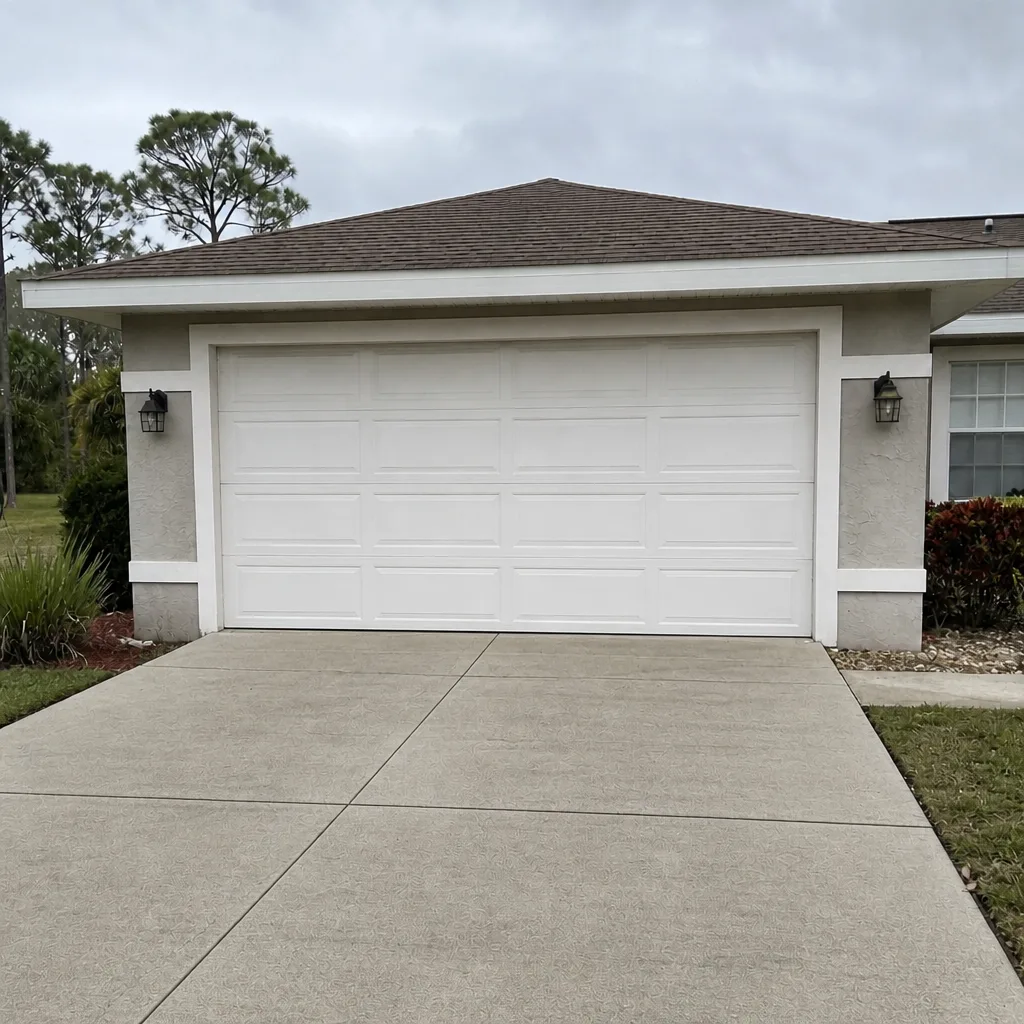 After
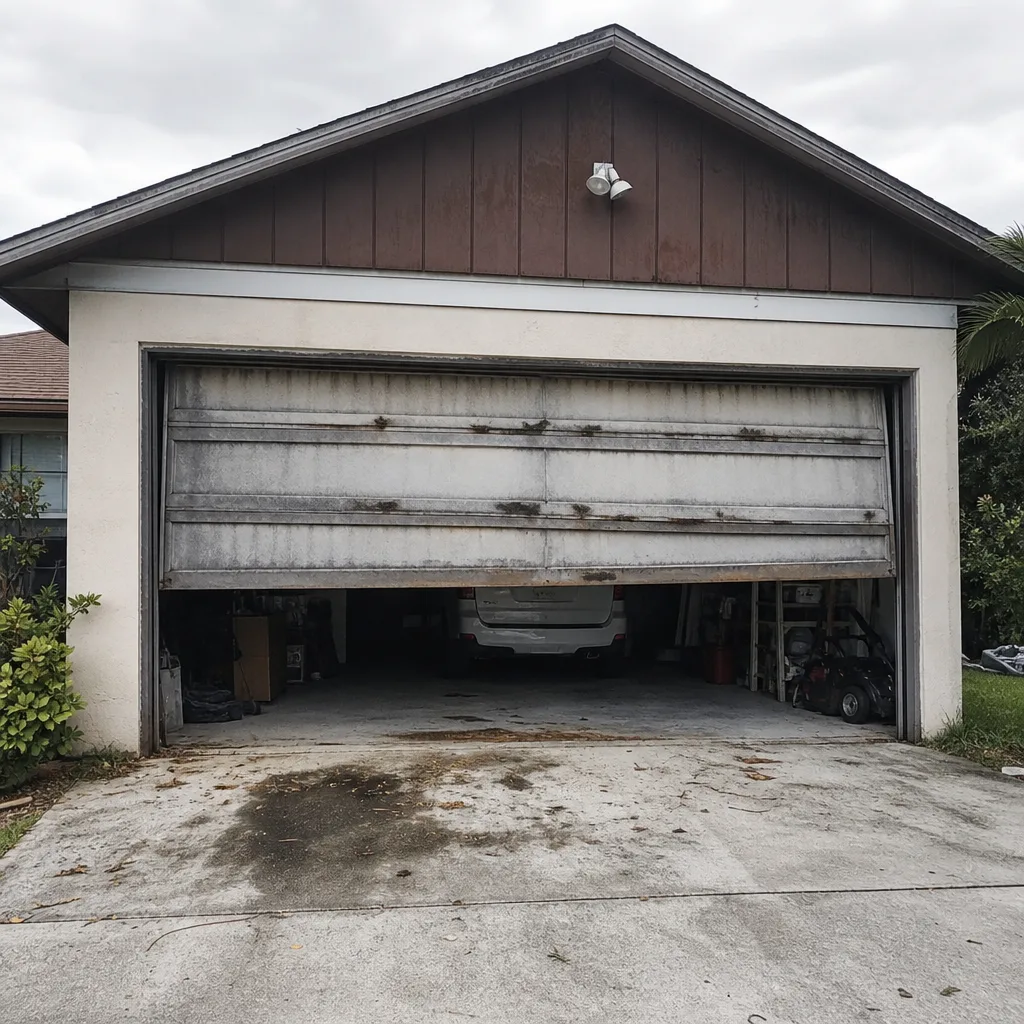 Before
 After
 Before
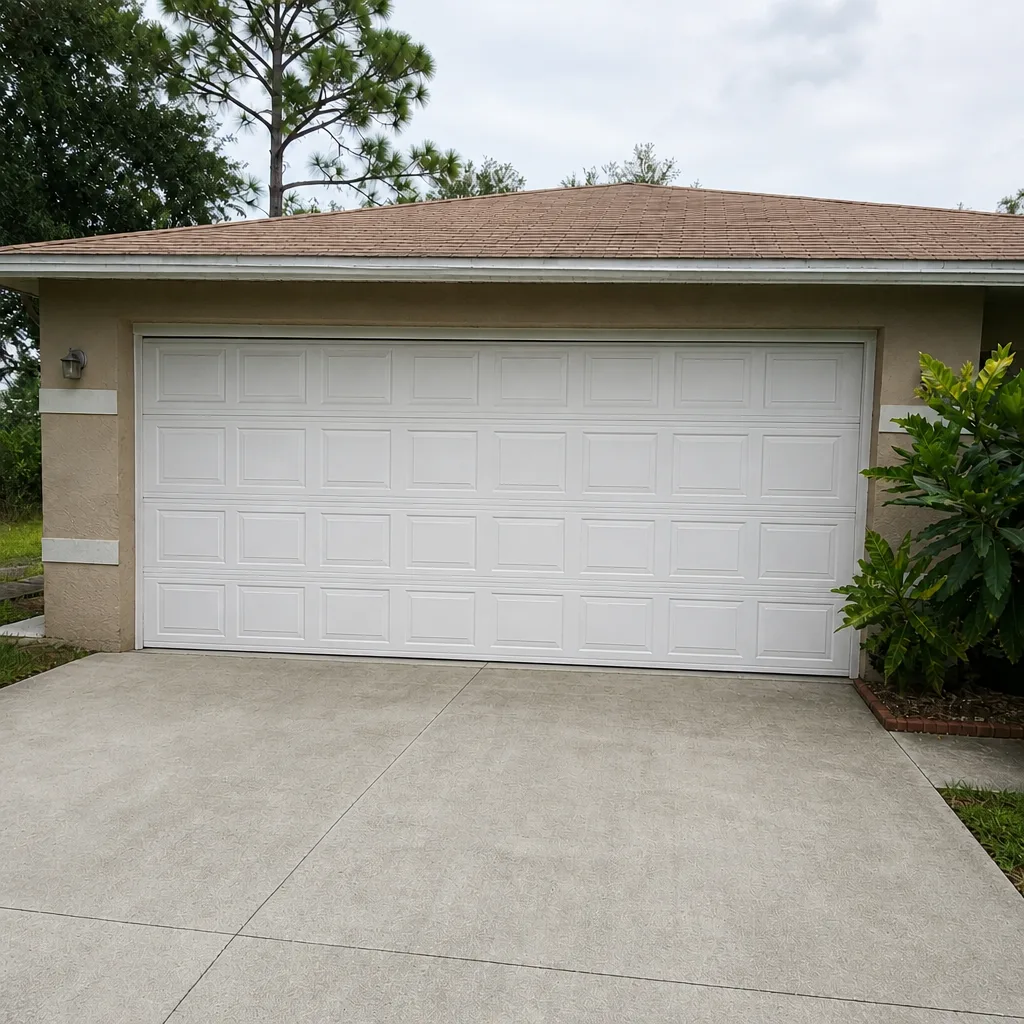 After
When to Call a Professional
Some jobs are a homeowner’s – watching the door, listening for sounds, running the balance test, keeping the tracks clean. Some jobs are not: adjusting or replacing a torsion spring, repairing a cable, realigning a bent track, or chasing an opener diagnostic through a brand-specific code. These involve stored mechanical energy and safety-critical balance, and they’re the parts of the work most worth handing to a trained technician.
Call a professional if you find any of the following:
- A visible gap in the spring’s coil, or a spring that looks stretched.
- A frayed, flat, or snapped cable.
- A pop or bang when the door cycles.
- A door that drops from the halfway point or won’t stay open.
- A door off its track or a track with a visible kink.
- An opener that flashes a code, hesitates, or reverses unexpectedly.
Our technicians have up to 10 years of experience on LiftMaster, Chamberlain, Genie, Clopay, Amarr, Wayne Dalton, Craftsman, and Raynor systems. The Acreage Garage Door Repair offers free estimates in The Acreage – call (855) 931-4042. If you’re not sure whether what you’re seeing is a spring, a track, or a swollen door, we’ll look at it and tell you exactly what’s happening. The written estimate sets the price before any work starts, so you’ll know the cost before anyone picks up a tool.
Frequently Asked Questions
A door that opens more slowly than it used to, followed by the door dropping when lifted halfway by hand. In The Acreage’s heat, that “slightly slow” phase can last only weeks before the spring fails, so treat a slow door as a spring signal and check it now.
Most of the time, yes. A single sharp pop from the spring area usually means a coil is under stress or an extension spring has jumped its track. A series of small pops can sometimes be a hinge, but the spring is the first thing to check. Call (855) 931-4042 and describe the sound – it’s usually enough to narrow the diagnosis before we arrive.
Usually not. Wood and wood-composite doors swell in The Acreage’s humid season and free up when things dry out. That’s a humidity issue, not a hardware failure. If the door is sticky on dry weeks too, or if the focus keeps getting worse as the season goes on, a technician should check the tracks and rollers.
Spring replacement is priced per job and can vary based on the spring, the door’s configuration, and how many springs are involved. Your written estimate sets the price before work begins, so you’ll know the total before any technician starts. If your door failed the balance test, call (855) 931-4042 for a free estimate.
We don’t recommend it. A bent track requires the door to be disconnected and the panels supported safely; forcing the track while the door is hanging can bend a panel or pull a cable. It’s a job for a technician with the door properly braced, and it’s usually quick once the door is stabilized.
First, stop using the door – don’t run it back and forth trying to close it. If you can close it by hand safely, do so, then leave it shut. Call (855) 931-4042. We answer 24/7, and a call outside dispatch hours is booked into the next opening, Sunday through Friday, 7am to 7pm. Same-day service is the right call for a stuck door, and we can often have someone to the home within an hour.
Our technicians work on LiftMaster, Chamberlain, Genie, Clopay, Amarr, Wayne Dalton, Craftsman, and Raynor. We handle both the door hardware and the opener, so you’re dealing with one company on a single repair rather than two. For anything from a single hinge to a full new installation, you can reach us at (855) 931-4042.
The Bottom Line
The warning signs of a failing garage door are quieter than most guides admit. Slow travel, a stretched coil, a grinding roller, a sticky door during the rainy season – these are the signals worth acting on, and in The Acreage they move from warning to failure faster than homeowners in more temperate climates expect. The balance test is the single most useful check you can do on your own. Anything to do with springs and cables stops there and belongs with a trained technician.
Our technicians have up to 10 years of experience on the major brands, we stock parts so a repair can be completed in a single visit, and we handle the door and the opener as one job rather than two. Whether the door has just started sounding different or has stopped moving entirely, the goal is the same: get it fixed correctly, at a price you agreed to before anyone started. If you’re not sure what you’re hearing, we’re happy to talk it through. Call (855) 931-4042. We answer 24/7. Fast dispatch from 7am to 7pm, Sunday through Friday.
Written by the team at The Acreage Garage Door Repair.