
Last updated November 22, 2026
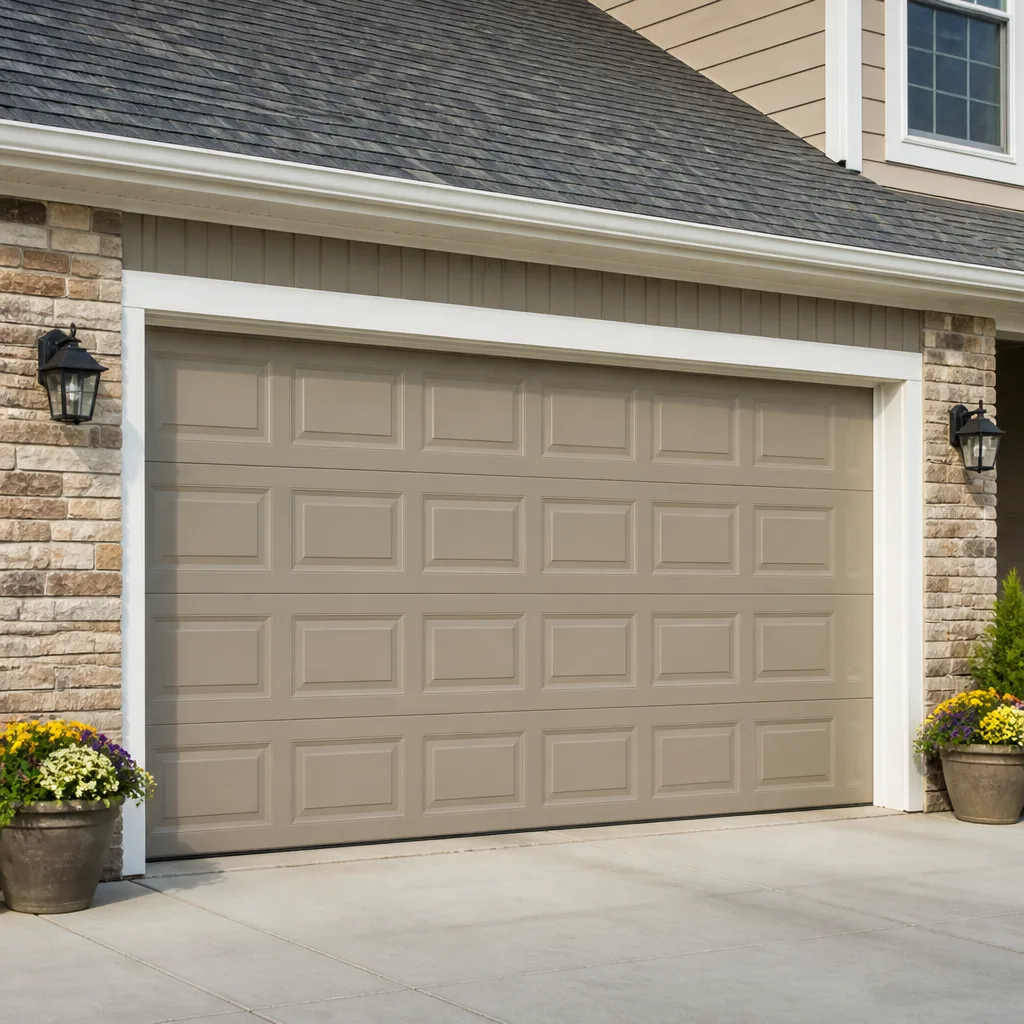 Raised-panel steel
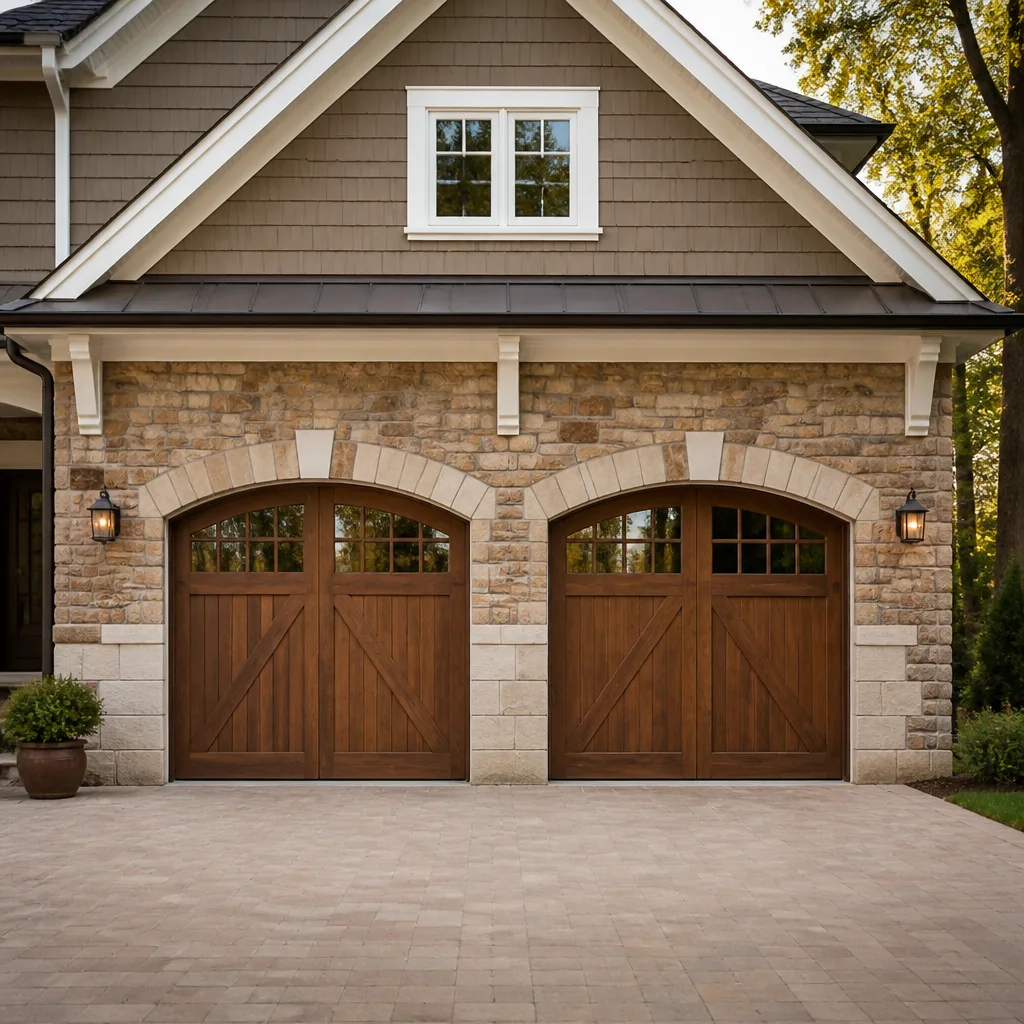 Carriage house
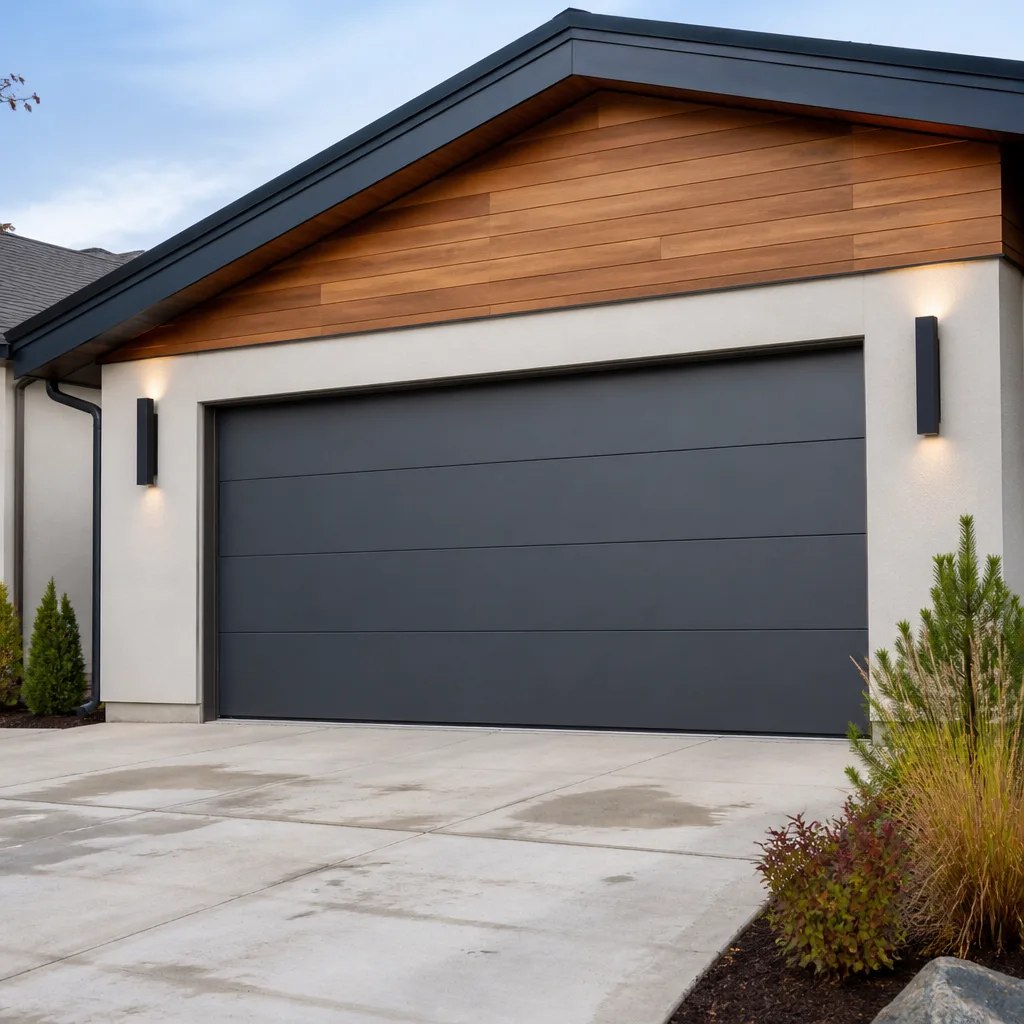 Modern flush
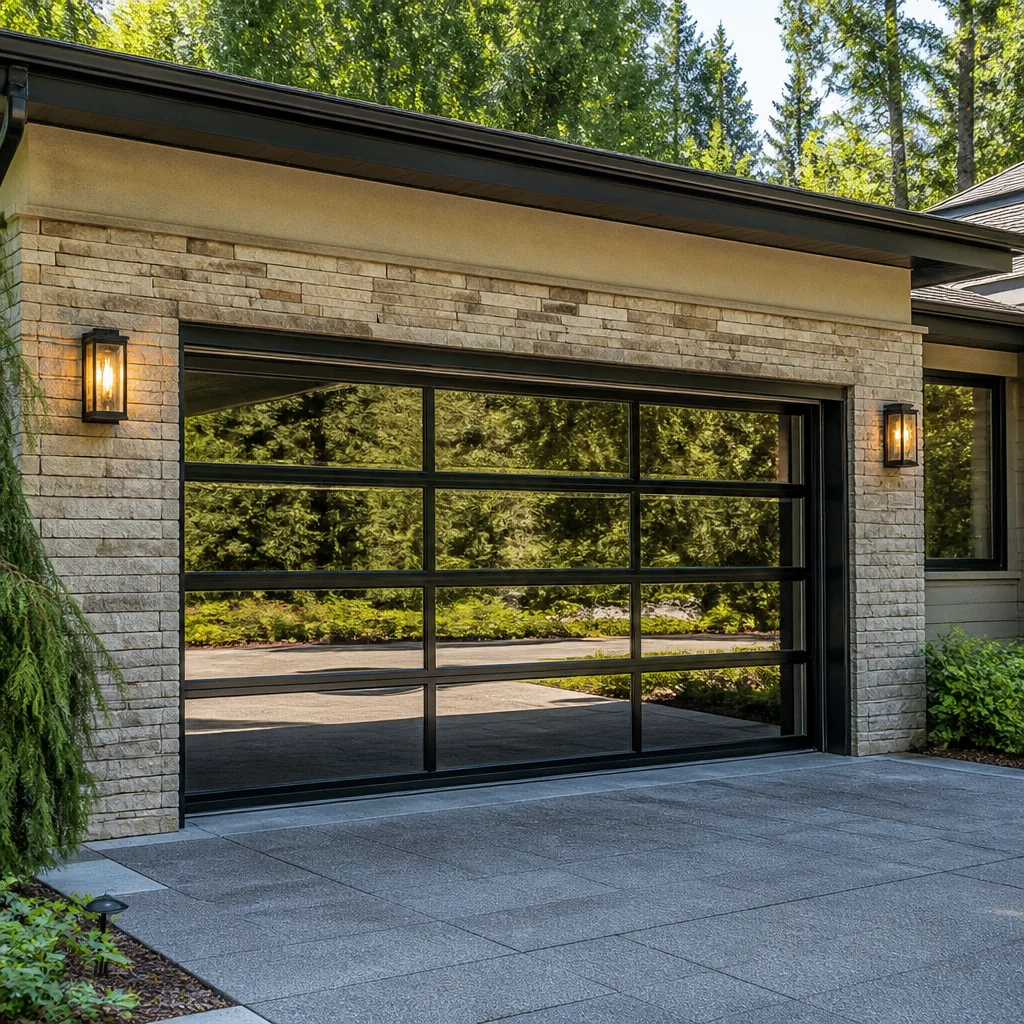 Full-view glass
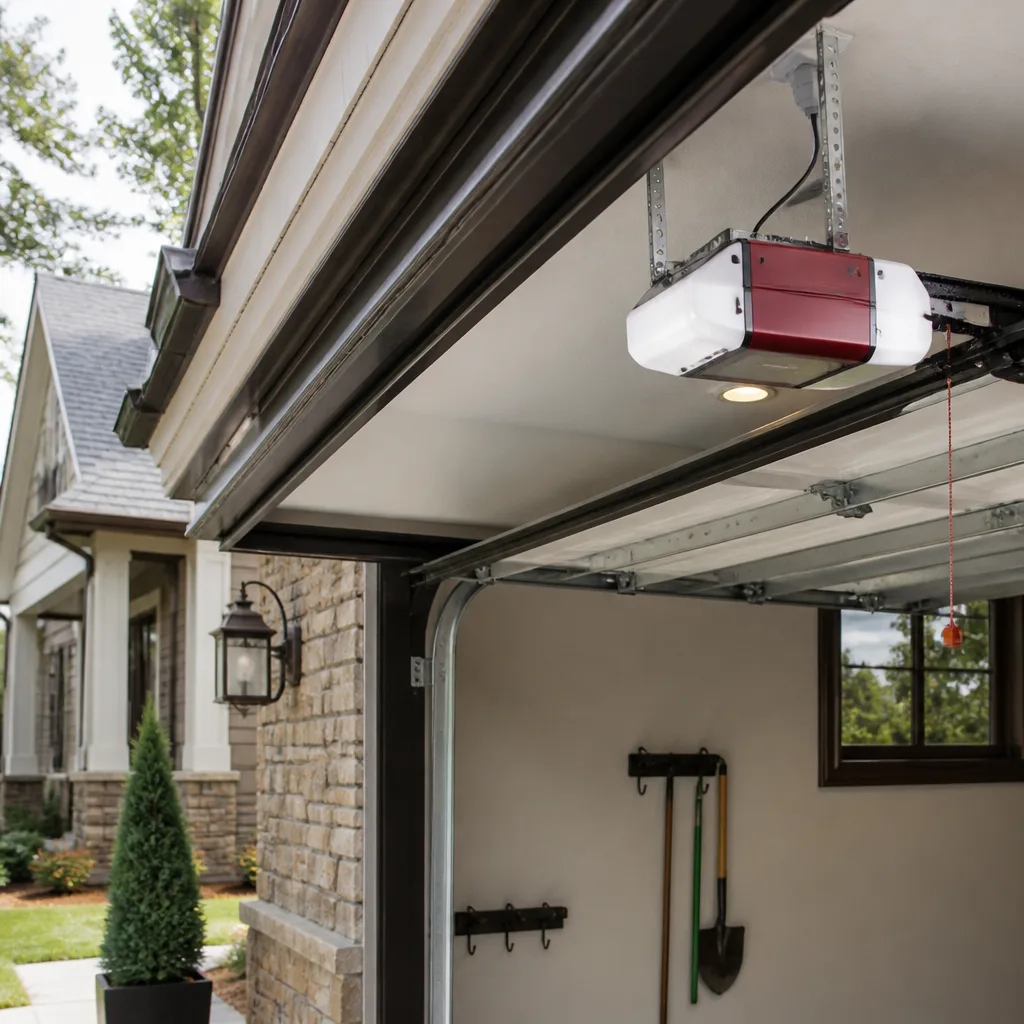 LiftMaster openers
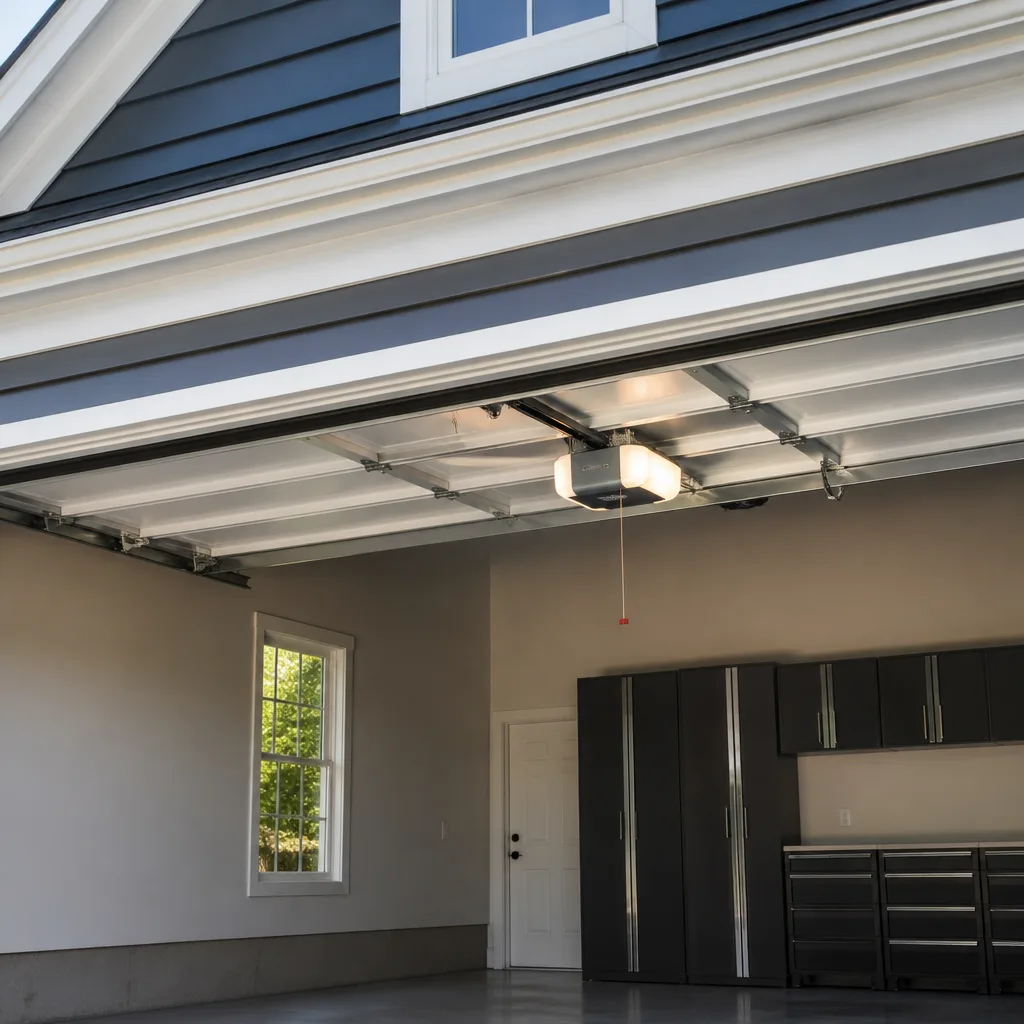 Chamberlain openers
Full 25-point door and opener safety check with every visit - springs, cables, rollers, tracks, and your LiftMaster or Chamberlain opener included
You get a price before we start. It does not change when the pro arrives.
Get your free estimateSeasonal Garage Door Care for The Acreage: Year-Round Homeowner’s Guide
The standard seasonal guide breaks the year into spring, summer, fall, and winter. In The Acreage, two of those seasons are essentially identical, while the transition into hurricane season is the single highest-stakes maintenance window most homeowners miss entirely. Florida doesn’t hand you four tidy seasons. It hands you a long dry stretch and a long wet, windy one, and your garage door lives through both. Treating care as “year-round the same” is exactly why tune-ups get skipped here. This guide organizes maintenance around the two cycles that actually stress a door in The Acreage: the dry-season dust of December through May and the storm season of June through November. You’ll learn what to check, when to check it, and where the work stops being a homeowner job and becomes one for a trained technician.
Quick Answer
Garage door care in The Acreage splits into two real cycles, not four. From December through May, dry-season dust packs into rollers, hinges, and bottom seals, so clean before you lubricate. From June through November, wind and power outages are the concern, so anchor, brace, and check your opener’s battery backup before the first storm. A short spring and fall inspection, one deep clean, and a pre-season hardware check keep a door working through both.
Styles & brands we work with
- Raised-panel steel
- Carriage house
- Modern flush
- Full-view glass
- LiftMaster openers
- Chamberlain openers
Table of Contents
- Why The Acreage Doesn’t Have Four Seasons of Garage Door Care
- The Dry Season: What Dust Does to Rollers, Hinges, and Seals
- Pre-Hurricane Season Checklist for April and May
- Post-Storm Inspection: What to Check Before You Open the Door
- Why Springs in The Acreage Face Heat, Not Cold
- Opener and Battery Backup Readiness for Storm Season
- A Month-by-Month Maintenance Calendar
- Common Mistakes to Avoid
- When to Call a Professional
- Frequently Asked Questions
Why The Acreage Doesn’t Have Four Seasons of Garage Door Care
Most garage door maintenance advice is written for places with hard freezes and road salt. Neither applies here. The Acreage sits inland in Palm Beach County, where winters are mild and the year divides more cleanly into a dry spell and a wet one. That changes what actually wears a door out. Instead of cold-weather contraction and corrosion from de-icing salt, you’re dealing with fine dust in the dry months and wind-driven rain and heat in the storm months.
The result is that the calendar most homeowners follow is off by a season. They think about their door in fall, when the weather turns, which in The Acreage is the quietest time for a garage door. The real high-stakes window comes in late spring, right before June 1, when the hardware that holds the door in place during a wind event deserves a hard look.
Breaking care into these two cycles does something practical: it makes maintenance memorable. You don’t need to remember twelve monthly tasks. You need to remember that dry season is for cleaning and lubrication, and storm season is for anchoring, bracing, and backup power. Everything else is small.
- Dry season (December through May): dust control, lubrication, seal checks, spring inspection.
- Storm season (June through November): hardware anchoring, wind bracing, opener and battery readiness, post-storm checks.
- Both cycles: balance test, safety reverse test, visual inspection of cables and springs.
If any of these checks turns up a problem you can’t safely address, that’s where a professional comes in. We cover the full range of repairs on our garage door repair page, from a sticking roller to a door that’s come off its track.
The Dry Season: What Dust Does to Rollers, Hinges, and Seals
From roughly December through May, The Acreage dries out. Lawns go dormant, lots are graded and re-graded, and the sandy soil around the area throws fine grit into the air. That grit doesn’t just settle on the outside of the door. It works into the moving parts, and it does the most damage when it mixes with old lubricant to form a paste that grinds down rollers and stiffens hinges.
The cleaning sequence matters more than most people realize. Lubricating over a dusty track or gritty hinge just traps the grit in place. Clean first, then lubricate, and use a lubricant that doesn’t attract dust.
The right dry-season cleaning sequence
- Brush the tracks. Use a stiff brush or a vacuum with a brush attachment to clear grit out of the vertical and horizontal tracks. Don’t use solvent or harsh cleaners on the track surface.
- Wipe the rollers and hinges. A dry cloth removes the loose dust. A slightly damp cloth handles the film that builds up. Let everything dry fully before moving on.
- Inspect the bottom seal. The rubber seal along the bottom of the door is the first thing to collect grit and the first thing to crack. Run a hand along it and look for splits, hardening, or a gap when the door is closed.
- Lubricate sparingly. A garage door lubricant on hinges, rollers, and the spring coils. A little goes a long way, and excess lubricant collects dust.
- Test the balance. Disconnect the opener and lift the door halfway. It should stay put. If it drifts down or springs up, the springs are out of balance and need a professional look.
That last step is where a lot of dry-season inspections end in a service call. Spring balance is not a homeowner adjustment. If your door won’t hold position, it’s worth having it checked before it gets worse. Our garage door spring repair team handles balance, replacement, and the matched pairs most doors need.
A note on the bottom seal: in The Acreage, a worn seal doesn’t just let dust in. It lets in insects and the occasional small critter, and it makes the door work harder to close flush. Replacing a bottom seal is a quick job and one of the highest-value pieces of dry-season maintenance you can do.
Pre-Hurricane Season Checklist for April and May
The single most important maintenance window in The Acreage is the weeks before June 1. This is when you want to confirm that the hardware holding your door in place is doing its job, because once a named storm is on the radar, it’s too late to schedule an inspection or order a part. The checklist below covers the checks that matter most for a wind event, and it’s the one most homeowners skip.
Pre-season hardware and anchoring checks
- Look at the hinges and their fasteners. Every hinge bolt should be snug. Loose or missing fasteners are common after a few years of vibration, and they weaken the whole assembly under wind load.
- Check the track brackets and the wall anchor points. The brackets that hold the horizontal track to the wall and ceiling take the load when the door flexes. Look for bent brackets, pulled fasteners, or anything that’s separated from the framing.
- Confirm the door has wind bracing if your door and opening call for it. Many Florida openings are built to take a reinforced door, and the bracing should match what’s installed. If you’re not sure what’s behind your door, have it looked at. Your city’s building department can tell you what the opening was permitted for.
- Inspect the panels and the bottom section. A dented or bowed bottom panel is a weak point in wind. It’s also the first place a door fails.
- Test the door’s operation under load. Open and close it fully and listen. Grinding, scraping, or a door that hesitates can signal a worn roller or a hinge that’s about to give.
Doors from the major manufacturers – Clopay, Amarr, Wayne Dalton and others – each have their own bracing and anchoring patterns, and the reinforcement has to match the door. That’s one reason we work across the brands we do. If you’re not sure what your door is rated for, we can walk you through it. Our garage door opener repair team also checks that the opener and its safety features are operating correctly before storm season.
Booking the inspection in April or May means there’s time to order a part if something needs replacing. Waiting until a storm is spinning up in the Atlantic leaves no room for a back-ordered bracket or hinge.
Post-Storm Inspection: What to Check Before You Open the Door
After a named storm or a strong thunderstorm rolls through The Acreage, the instinct is to open the garage and get on with the day. Resist that instinct for a few minutes. A door that’s been hit by wind or debris can have hidden damage, and operating it before you’ve checked can turn a small problem into a big one – or an unsafe one.
What to look for after a storm
- Debris in the tracks. Palm fronds, grit, and roofing granules find their way into tracks. Clear them out before you run the opener.
- Bent or misaligned tracks. Stand back and look down the length of each track. A bend is usually visible.
- Panels out of alignment. Step back and look at the door from a distance. A panel that’s shifted will show a visible gap or a line that isn’t straight.
- Cables that look slack or off their drums. If a cable is loose or has come off, don’t touch it. Cables are under high tension and a snapped cable causes serious injury.
- Springs that look stretched or deformed. A spring that has failed often shows an obvious gap in the coil. Don’t try to operate the door if a spring looks wrong.
- The opener housing and its mounting. Check that the opener is still firmly attached to the ceiling and the rail isn’t bent.
If anything looks bent, loose, or out of place, don’t operate the door. A trained technician can assess it safely. The same goes for a door that won’t close flush after the storm. For the full range of repairs, our The Acreage Garage Door Repair page is a good place to start.
The post-storm check is also a good time to look at the bottom seal and the weatherstripping. Wind-driven rain can work under a worn seal, and a seal that’s taken a beating may need replacing before the next round.
Why Springs in The Acreage Face Heat, Not Cold
In colder parts of the country, springs fail most often in the first cold snap of the season. Here, springs don’t get that cold-weather stress. What they get instead is thermal expansion and contraction from the afternoon heat, day after day, and the effects add up.
A torsion or extension spring is a stored-energy device made of steel wire. Every time the door opens and closes, the spring cycles through tension and release. Add to that the heat cycling that comes with an attached garage in a Florida summer, and the metal spends months going through small expansions and contractions. Over time this contributes to fatigue. Springs are rated for a certain number of cycles, and heat cycling doesn’t reset that count.
The practical takeaway: a spring that’s near the end of its life in The Acreage won’t announce itself with a cold snap. It’s more likely to fail on an ordinary afternoon when the door is opened. That makes the balance test in the dry-season checklist more valuable than it might seem. If the door won’t hold position when opened halfway, or if it feels heavier than it used to, the spring is telling you something.
What to watch for with springs
- The door feels unusually heavy when you lift it by hand (with the opener disconnected).
- The door drifts down or slams shut when opened partway.
- The door is jerky or uneven as it moves.
- A visible gap in a torsion spring or a stretched extension spring.
One thing every homeowner should know: spring replacement is the most dangerous part of garage door work. Torsion springs are under extreme tension, and the tools and technique involved are not homeowner equipment. Don’t try to adjust or replace a spring yourself. Call a technician who does this work regularly and has the right tools.
Most doors have two springs, and when one fails the other is usually near the end of its life too. A matched pair is typically replaced together. Our team handles springs as a dedicated service, and we’ll always explain what we’re replacing and why before any work starts.
Opener and Battery Backup Readiness for Storm Season
Power outages come with the territory in The Acreage during storm season, and a garage door that won’t open because the power is out is a real inconvenience. The good news is that most modern openers have a battery backup option, and the check is simple – as long as you do it before the storm, not during.
The opener checklist before June
- Test the safety reverse. Place a roll of paper towels or a piece of wood in the door’s path and close it. The door should reverse on contact. If it doesn’t, the opener’s safety system needs attention.
- Test the battery backup if you have one. Unplug the opener from the wall and run the door. It should operate on battery. If it doesn’t, the battery may need replacing – and it’s also worth checking the unit’s manual for the recommended battery.
- Check the manual release. Every opener has a manual release rope or lever. Confirm it works and that everyone in the household knows where it is. This is the fallback when the battery is dead.
- Look at the opener’s mounting and rail. A loose opener is a noisy one, and it can damage the door over time.
- Clear the photo-eye sensors. Dust and cobwebs on the sensors cause false stops. Wipe them down.
Openers from LiftMaster, Chamberlain, Genie, and Craftsman all handle battery backup differently, and some units have specific battery models. If you’re not sure what your opener needs, that’s a quick check for a technician. Our team works across all of the major brands, so we can tell you what your unit supports.
The battery backup test is the one most people skip. It’s easy to assume it’s working because the light comes on. A real test means unplugging the opener and running the door on battery alone. Do it once in May and once in October, and you’ll know where you stand before the power goes out.
A Month-by-Month Maintenance Calendar
Here’s how the two cycles break down across the year. The exact months matter less than the sequence – dry season first, then the pre-storm window, then the storm months, then the post-storm check.
Dry season (December through May)
- December: Deep clean of tracks, rollers, and hinges. Lubricate after cleaning.
- January: Inspect the bottom seal and weatherstripping. Replace anything that’s cracking or has lost its seal.
- February: Balance test and spring inspection. Have any heavy or drifting door checked by a technician.
- March: Check hinges and fasteners for looseness. Tighten what you can safely reach.
- April: Start the pre-hurricane checklist. Book a professional inspection if you haven’t had one this year.
- May: Finish the pre-storm anchoring and bracing checks. Test the opener’s battery backup. Clear the photo-eye sensors.
Storm season (June through November)
- June through November: After any named storm or strong thunderstorm, run the post-storm inspection before opening the door.
- Mid-season: A quick clean of the tracks and a look at the seals, especially after heavy rain.
- October: Re-test the battery backup and the safety reverse. Storm season isn’t over yet.
- November: Close out the season with a full inspection and a look at anything that needs repair before the dry months.
The calendar is a guide, not a rulebook. The value is in having a sequence you can actually follow. If you’d rather hand the whole thing to a technician, that’s what we’re here for.
Common Mistakes to Avoid
- Lubricating before cleaning. Lubricant over dust creates a paste that grinds down rollers and hinges. Clean first, then lubricate, and use a garage door lubricant rather than general-purpose oil.
- Skipping the pre-June window. In The Acreage, late spring is the only time to catch a loose bracket or worn hinge before storm season. Waiting until a storm is on the radar leaves no time for inspections or parts.
- Operating the door after a storm without looking. A bent track or a cable off its drum can cause serious damage or injury. Do the post-storm check first.
- Trying to adjust or replace springs yourself. Springs are under extreme tension and cause serious injury. This is a trained-technician job, full stop.
- Assuming the battery backup works. The only real test is unplugging the opener and running the door on battery. Do it before storm season, not during an outage.
- Ignoring a door that won’t hold position. A door that drifts down when opened halfway is telling you the springs are out of balance. Get it checked before it fails completely.
- Treating the door as a one-time fix instead of a system. Springs, opener, tracks, hinges, and seals all wear on the same schedule. A door that’s been patched at one point and neglected everywhere else is the one that fails in a storm.
When to Call a Professional
Some garage door maintenance is genuinely a homeowner job: wiping tracks, clearing debris, testing the safety reverse, checking the battery backup. The list of things you shouldn’t touch is short, but it’s serious. Springs, cables, and the anchoring hardware that holds the door in wind are all jobs for a trained technician. So is anything that involves a door that won’t move, won’t stay closed, or has visible damage after a storm.
We work on eight major brands – LiftMaster, Chamberlain, Genie, Clopay, Amarr, Wayne Dalton, Craftsman, and Raynor – and we handle repair, opener service, spring replacement, and new installation. We also stock garage door parts, so a lot of problems get fixed on the same visit rather than waiting on a back-order. Our technicians have up to 10 years of experience. The local professional we connect you with is licensed and insured as their state requires, and you’ll get a free estimate and a written price before any work begins.
The Acreage Garage Door Repair offers free estimates in The Acreage. Call (855) 931-4042 to get started.
Frequently Asked Questions
Twice a year, at minimum – once in the dry season and once in the pre-hurricane window before June 1. A full professional inspection once a year is a good baseline, and the pre-season check is the most important one in this climate.
Checking the anchoring and bracing hardware: hinges, brackets, and the fasteners that hold the track to the framing. Loose or missing fasteners are the weak point in a wind event, and they’re easy to catch in April or May.
No. Springs are under extreme tension and cause serious injury. Spring adjustment and replacement are technician work, and that’s true for both torsion and extension springs. Call (855) 931-4042 for a professional assessment and a free estimate.
Run the post-storm inspection anyway – clear debris from the tracks, look for bent tracks or shifted panels, and check for slack cables – before you operate the door. A door can look fine and still have a problem that shows up when it’s under load.
It contributes to fatigue rather than causing sudden failure. An attached garage in a Florida summer goes through daily heat cycling, and springs are already rated for a set number of cycles. A door that feels heavy or won’t hold position is the signal to get the springs checked.
Most openers have a battery backup option, and testing it before storm season tells you if it’s working. You can also use the manual release to open the door by hand. If your opener doesn’t have backup or the battery is dead, our team can tell you what your unit supports.
The Bottom Line
The Acreage doesn’t give your garage door four seasons. It gives you a dry stretch for cleaning and lubrication and a storm stretch for anchoring, bracing, and backup power. The single most valuable habit is the pre-June checklist: loose hinges, track brackets, bracing, and a battery backup test. The post-storm inspection is a close second. Springs wear differently here, driven by heat cycling more than cold, so a door that feels heavy is worth a professional look. Do the checks you can safely do, and hand off the springs, cables, and anchoring to a technician who does this work every week. For a free estimate, call (855) 931-4042. We answer 24/7. Fast dispatch from 7am to 7pm, Sunday through Friday.
Written by the team at The Acreage Garage Door Repair.
See the difference
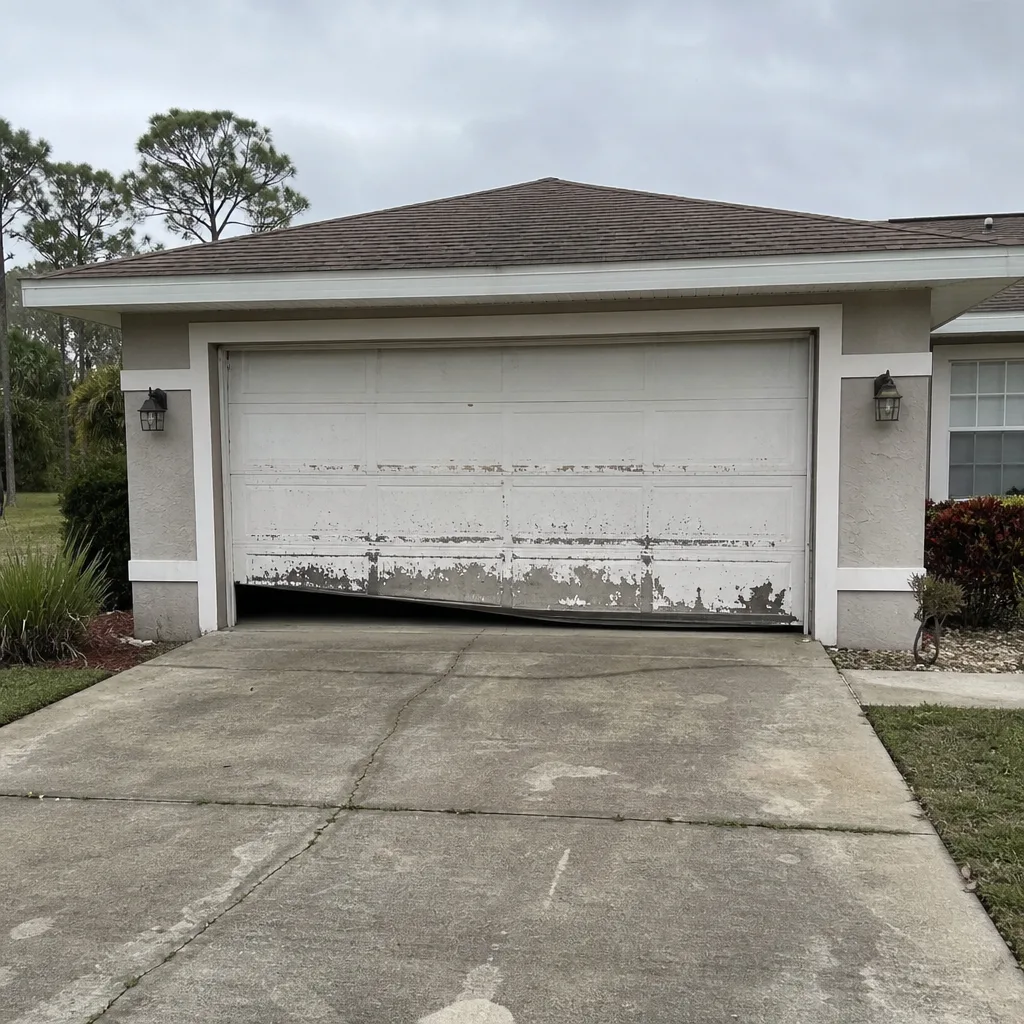 Before
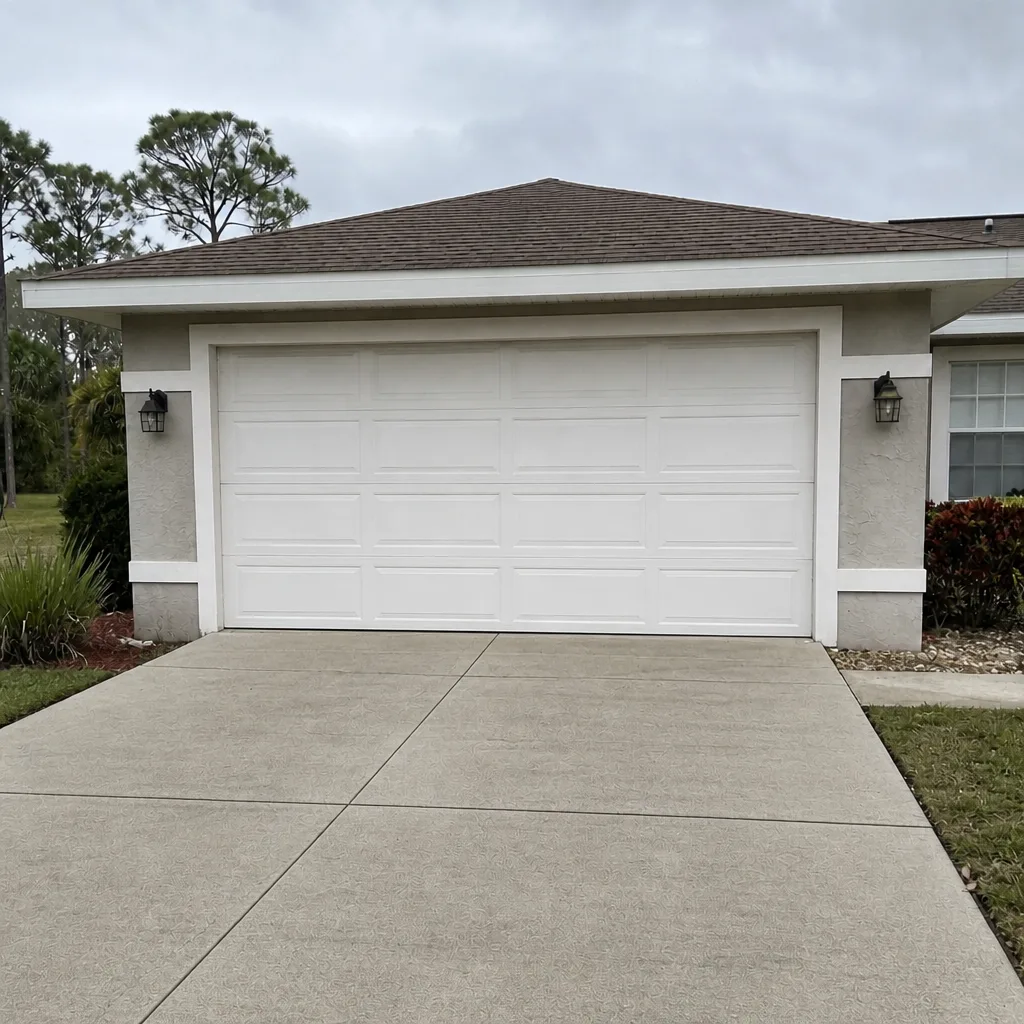 After
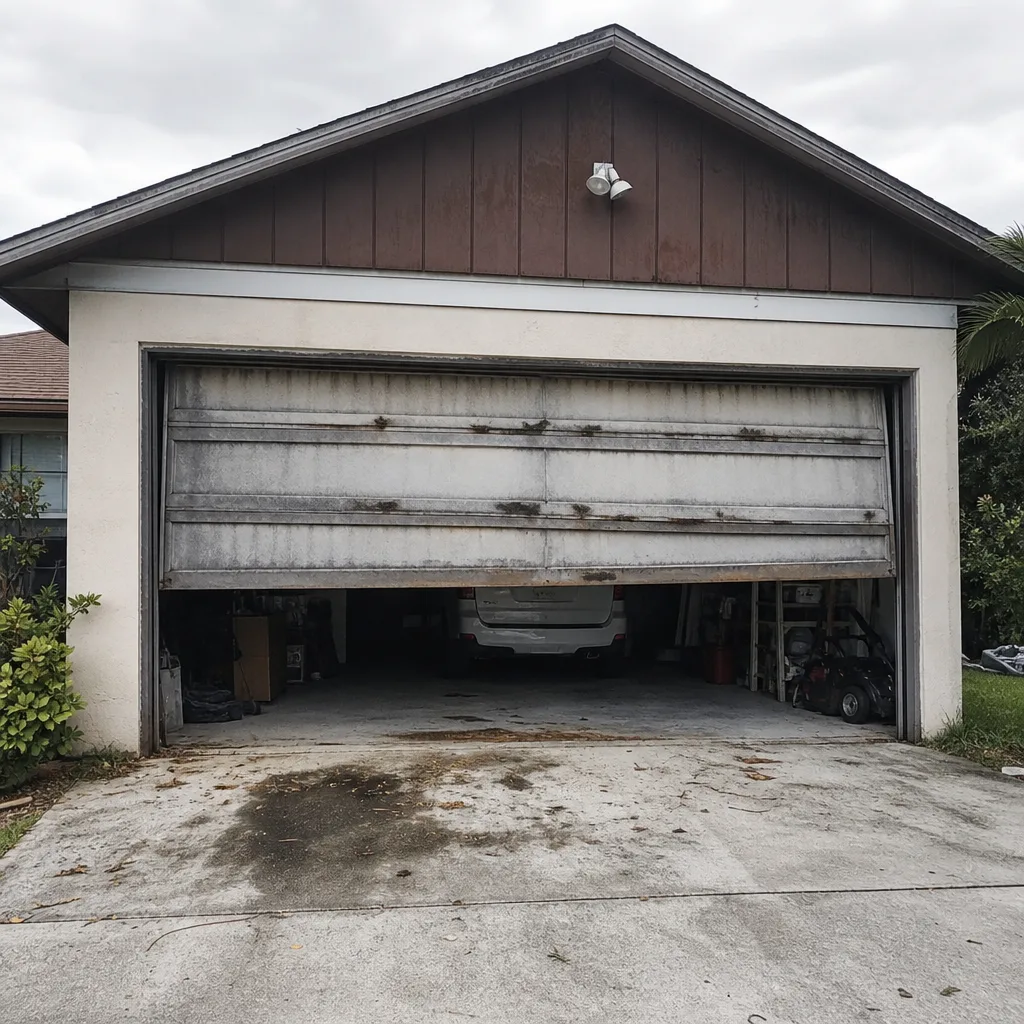 Before
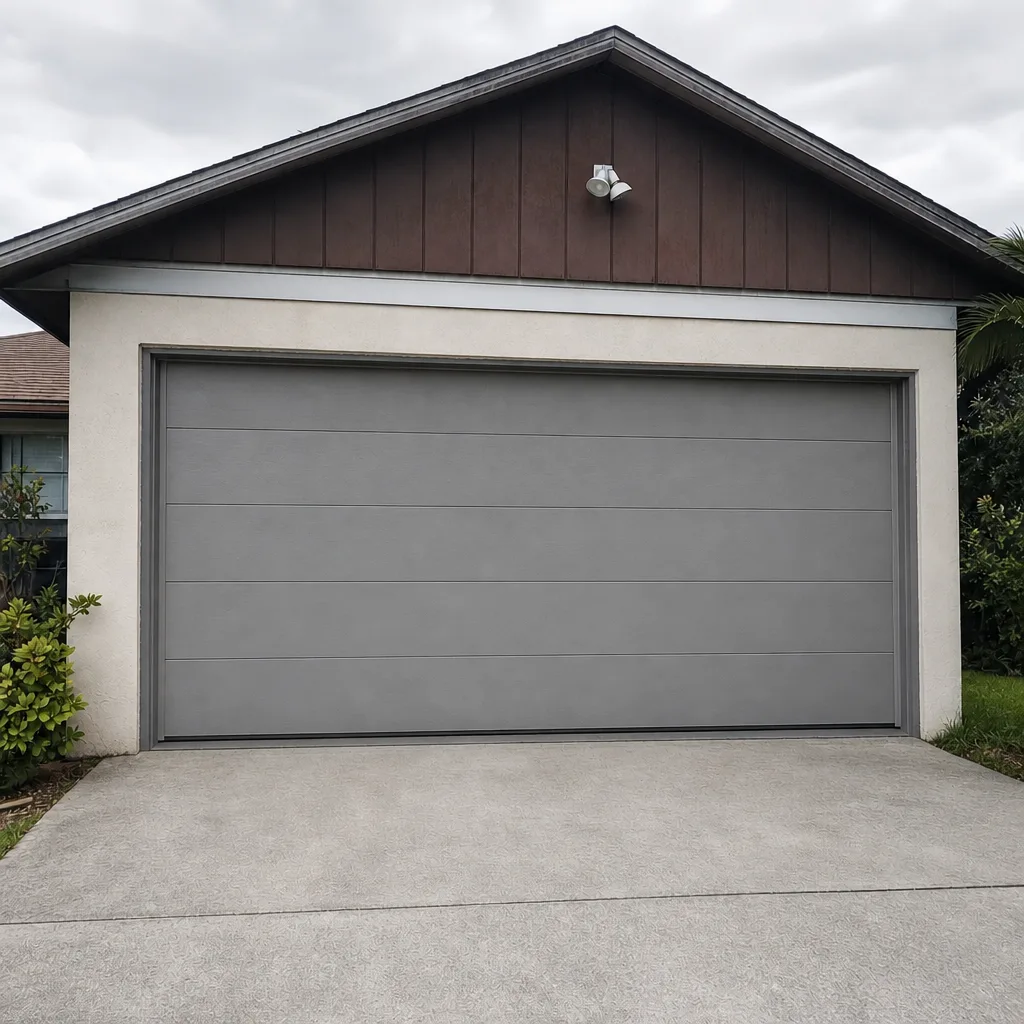 After
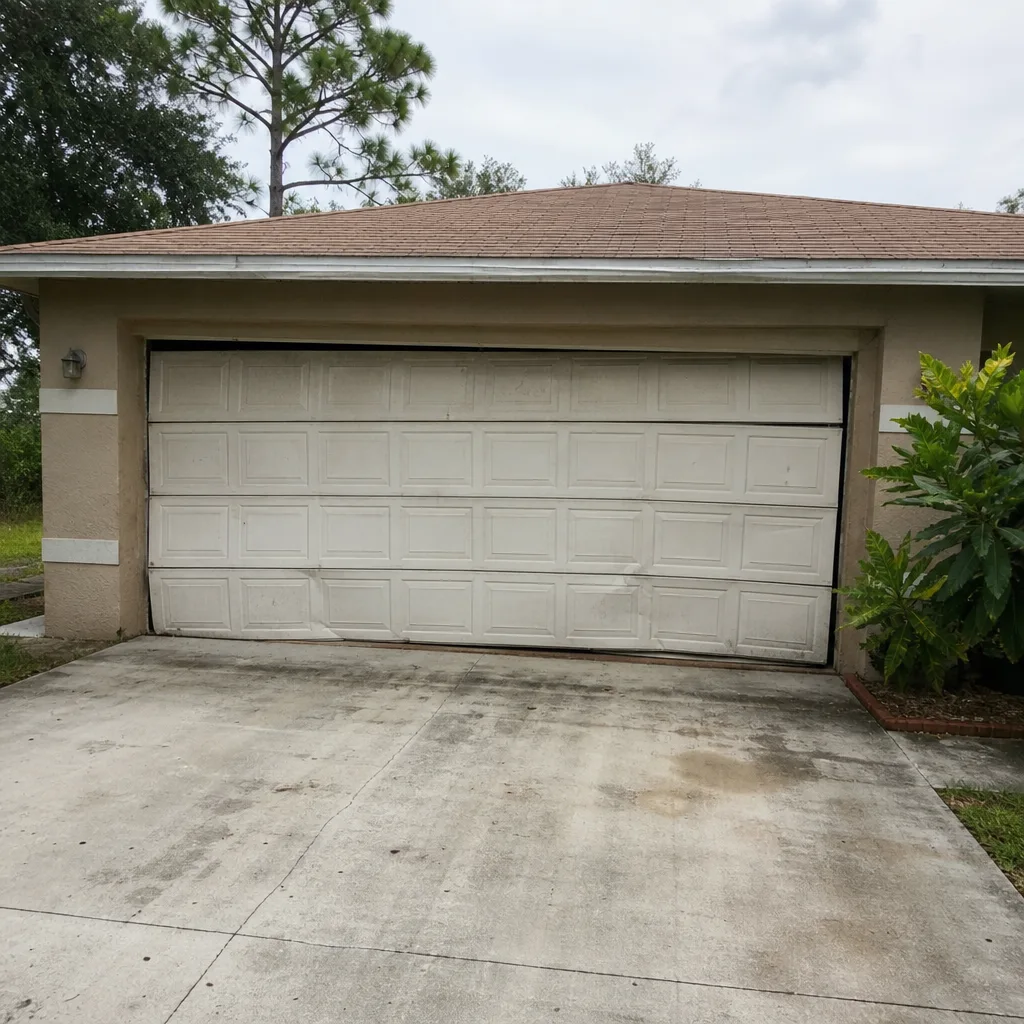 Before
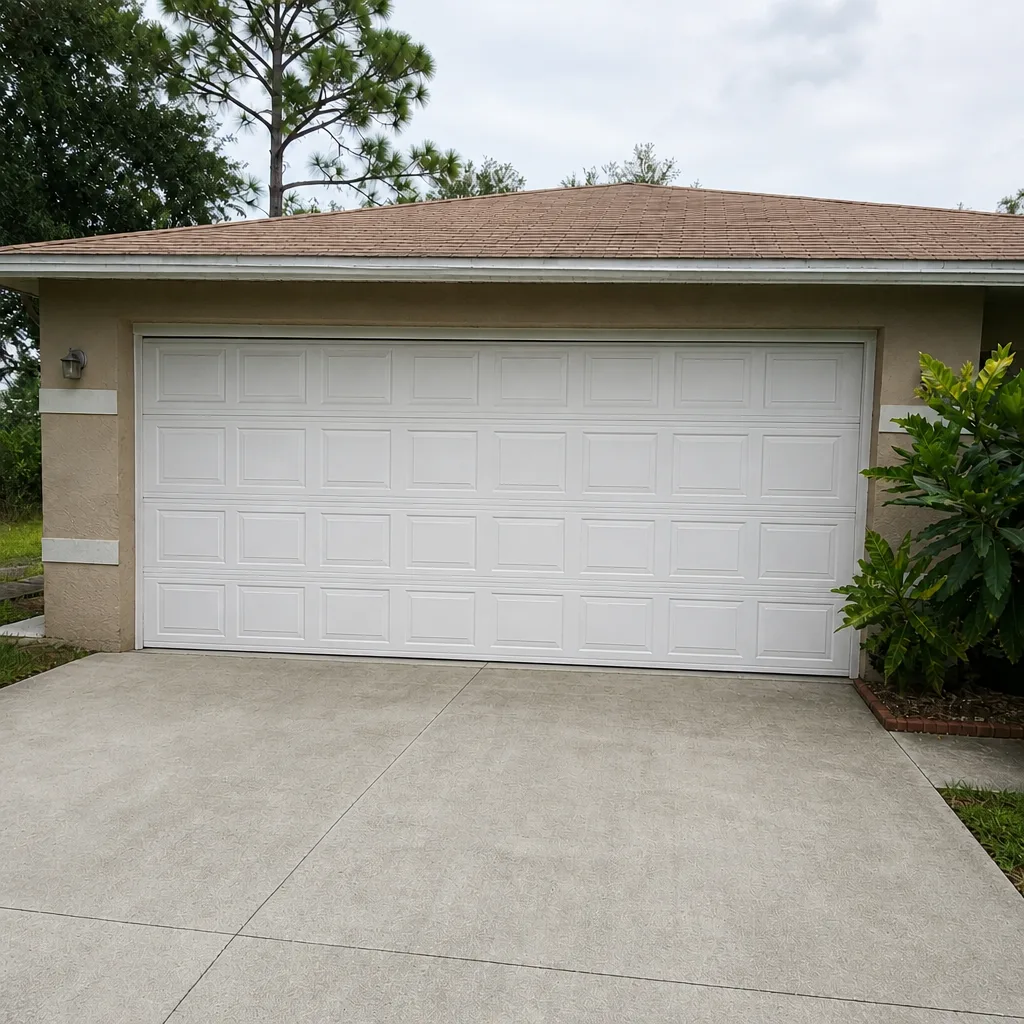 After