
Last updated November 22, 2026
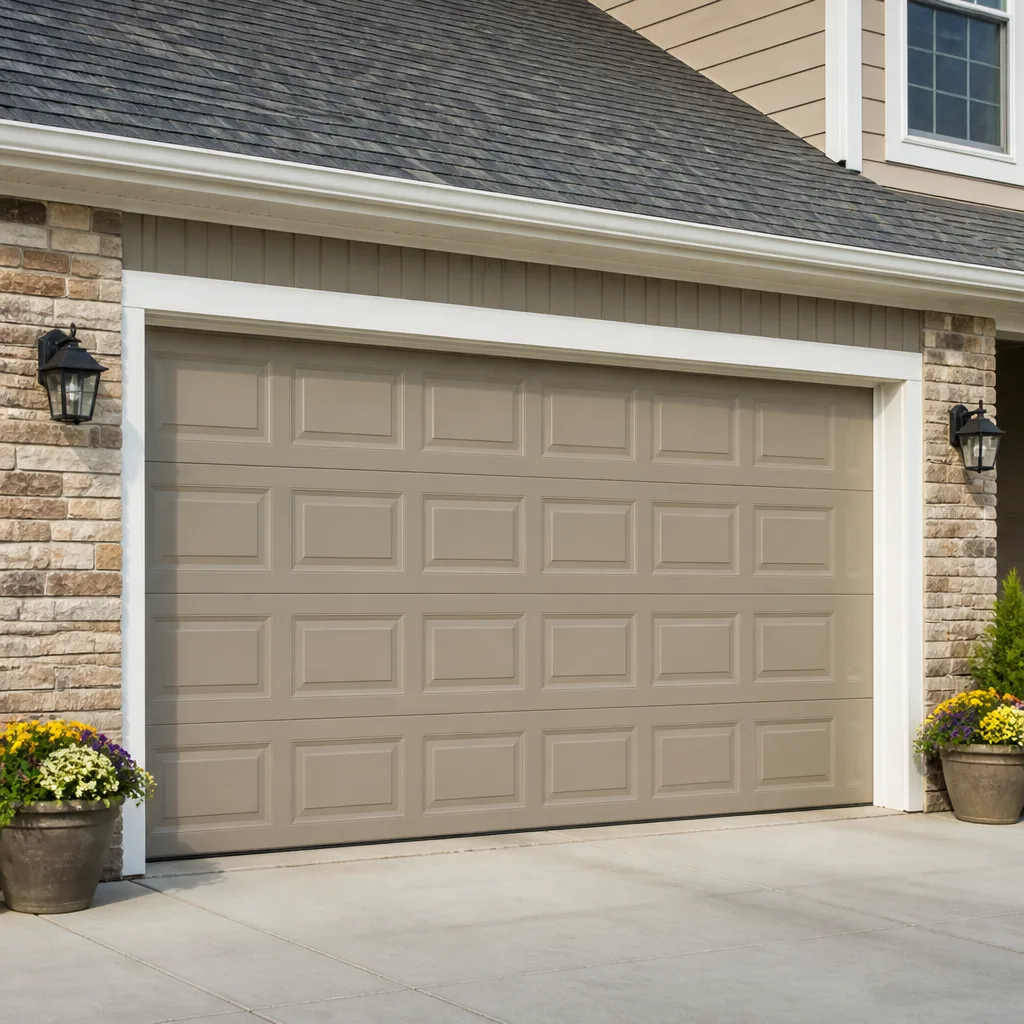 Raised-panel steel
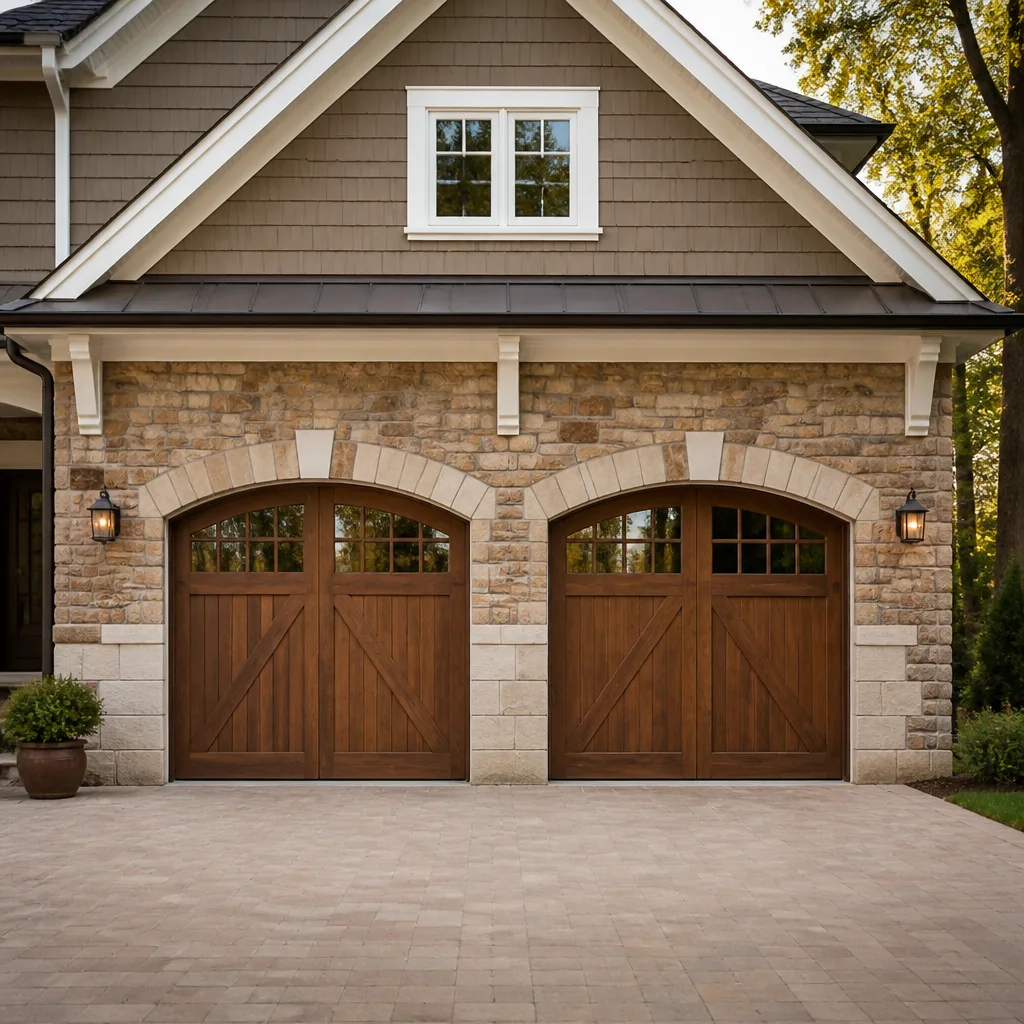 Carriage house
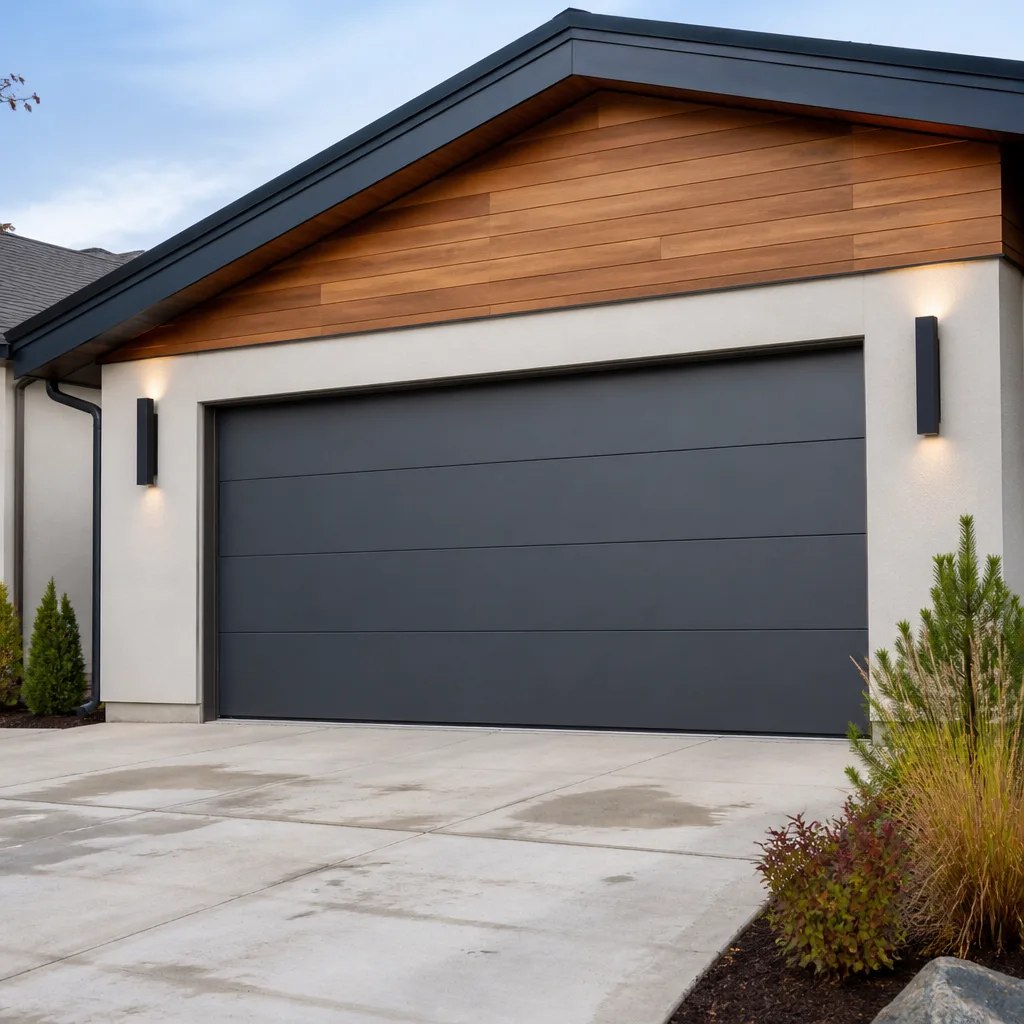 Modern flush
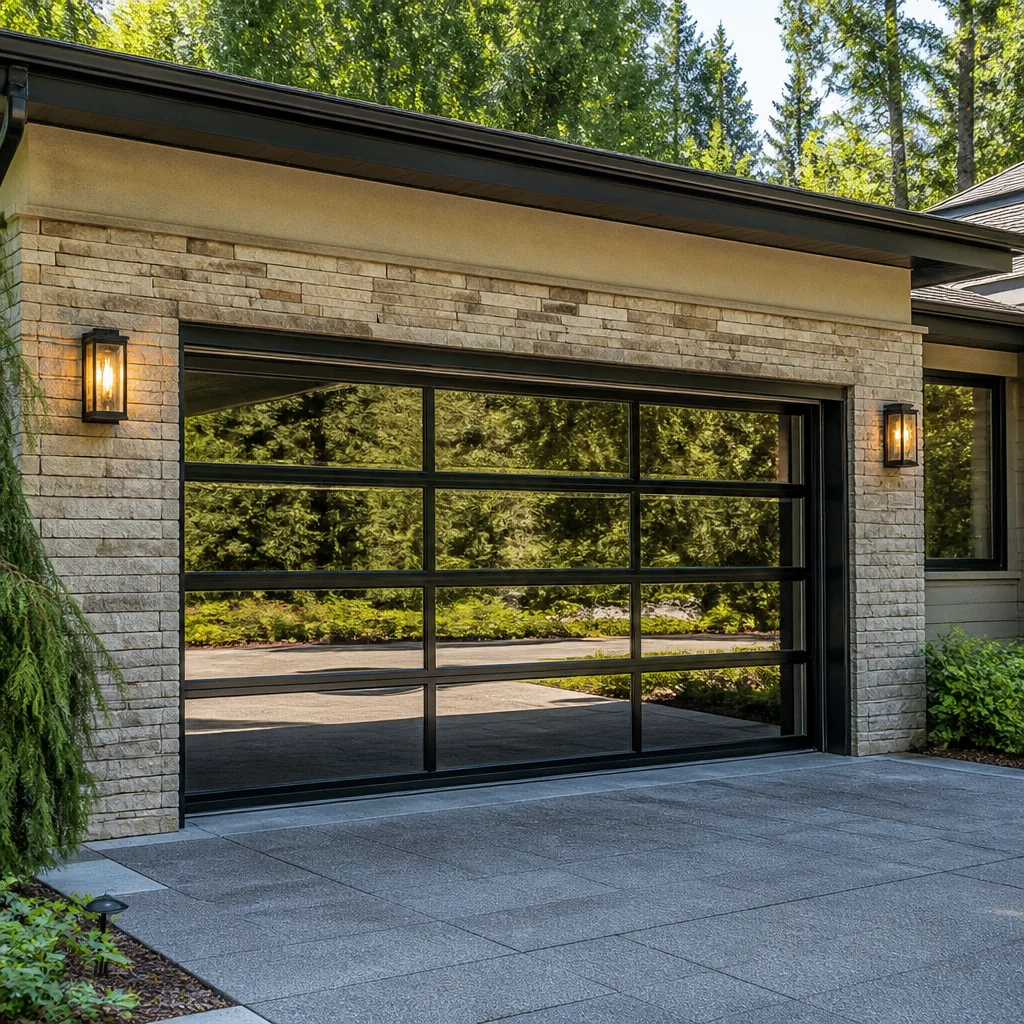 Full-view glass
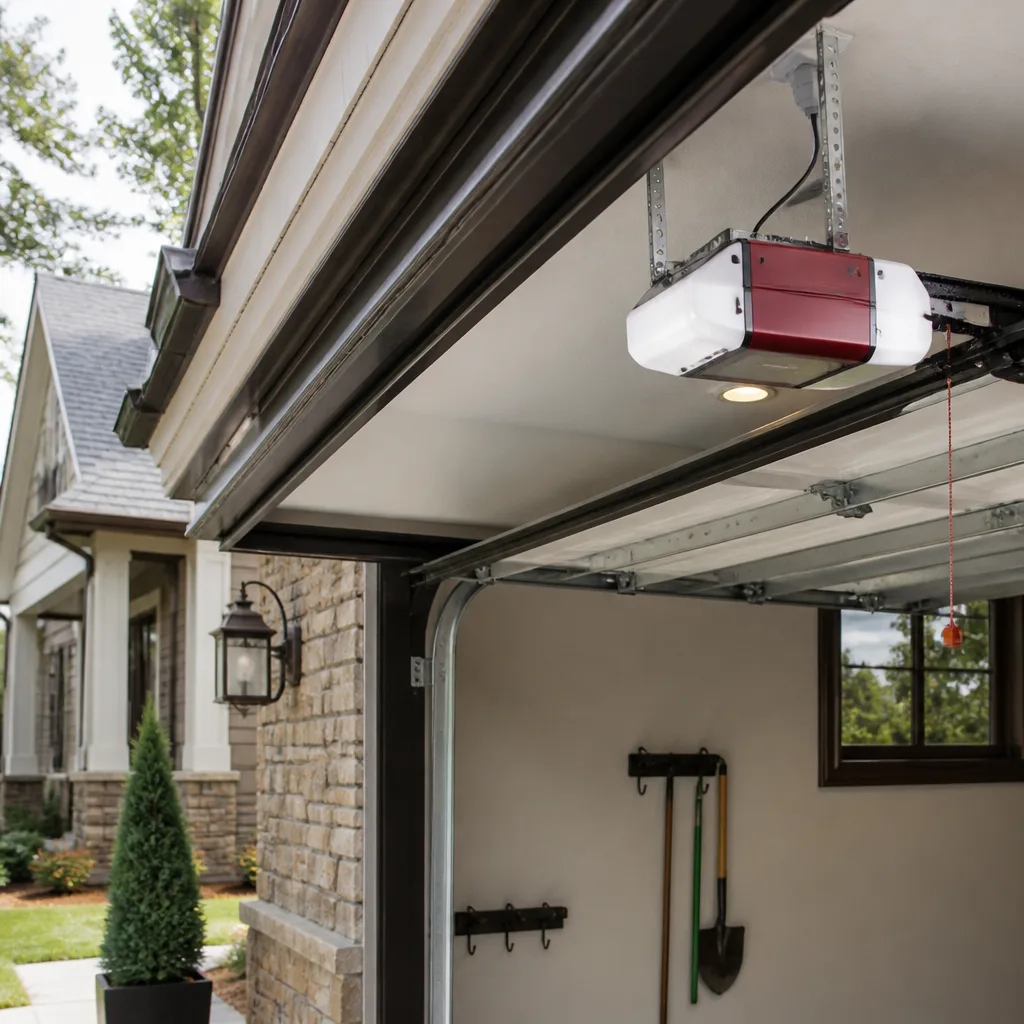 LiftMaster openers
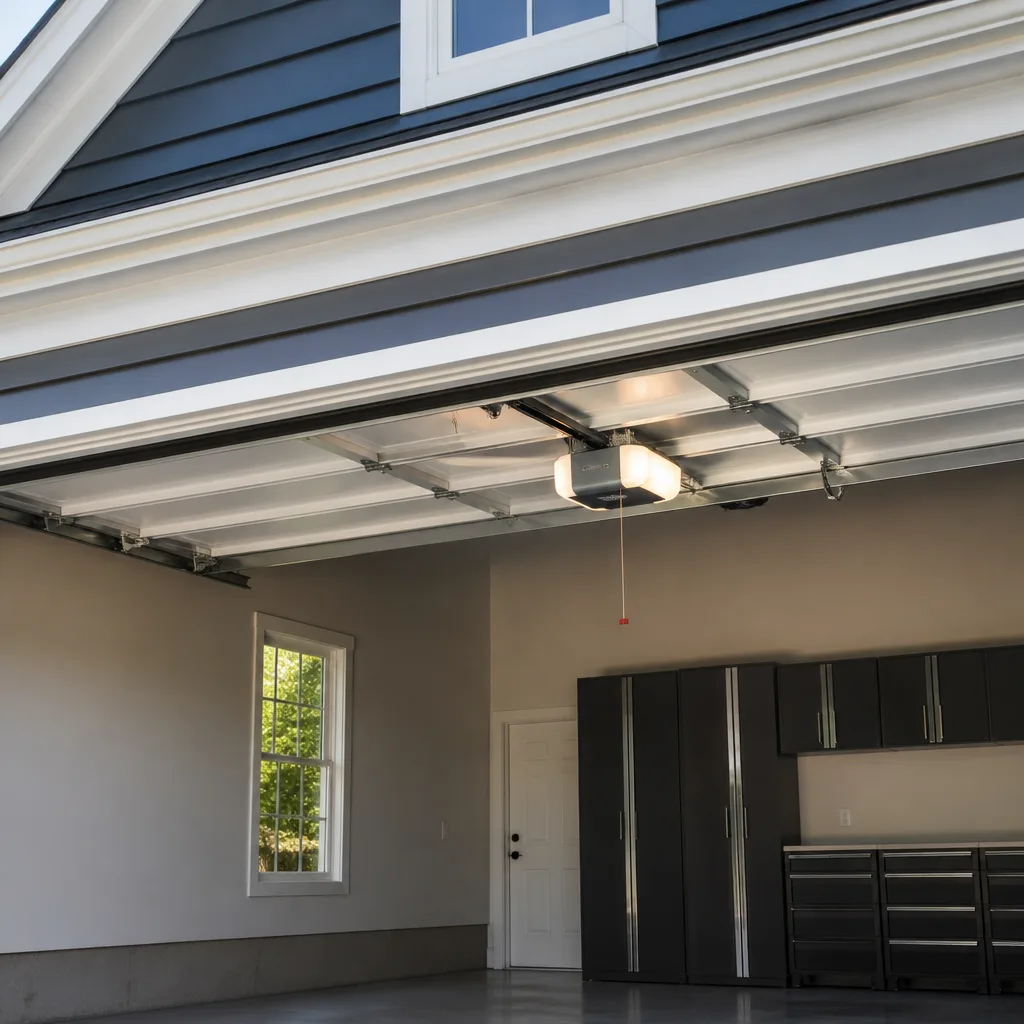 Chamberlain openers
Full 25-point door and opener safety check with every visit - springs, cables, rollers, tracks, and your LiftMaster or Chamberlain opener included
You get a price before we start. It does not change when the pro arrives.
Get your free estimateChoosing the Right Garage Door Brand: A Buyer’s Guide for The Acreage
The brand a contractor recommends is often the brand they buy wholesale at the best margin, not the brand best suited to your door opening size, your local climate exposure, or your twenty-year cost of ownership. In The Acreage, those factors should be driving the selection. Most homeowners here don’t realize that a garage door is a system of moving parts, and the brand that wins on a brochure’s spec sheet may be the wrong choice for a wide opening, a long driveway, or a property where the parts are hard to source. This guide walks through what actually matters when you’re comparing brands, how to read the specs without a sales pitch, and how to match a door and opener to the way you actually live in The Acreage.
Quick Answer
The best garage door brand in The Acreage is the one that’s serviceable by a local technician, rated for wind exposure, and matched to your opening size, not the one with the glossiest advertising. For most properties here, that points to brands like Clopay, Amarr, or Wayne Dalton for the door and a Genie, LiftMaster, or Chamberlain opener, but the decision should start with your opening width and your actual repair support. Our technicians have up to 10 years of experience, and we work on all eight of the major brands so we can give you a straight comparison.
Styles & brands we work with
- Raised-panel steel
- Carriage house
- Modern flush
- Full-view glass
- LiftMaster openers
- Chamberlain openers
Table of Contents
- Why Brand Loyalty in Garage Doors Is Usually Borrowed
- Clopay vs. Amarr vs. Wayne Dalton: A Side-by-Side Comparison
- Steel Gauge Explained: What 24 vs. 25 Actually Means
- Insulation R-Value Reality Check for Florida
- Matching Brand to Opening Size
- Why Parts Availability Beats Brand Reputation
- Choosing an Opener Brand: Genie, LiftMaster, Chamberlain
- A Step-by-Step Process for Choosing Your Brand
Why Brand Loyalty in Garage Doors Is Usually Borrowed
Ask a neighbor which door brand they recommend and you’ll usually hear the name of whatever their contractor installed. That’s not loyalty. That’s a distributor relationship passed downstream. Door dealers get a better wholesale price when they buy volume from one manufacturer, so that manufacturer becomes their pitch. When you call for an estimate in The Acreage, you may be hearing a brand endorsement that has less to do with your door opening than with the dealer’s purchase history.
That’s not a knock on any specific contractor. Volume pricing is a real economic reality, and consolidation in the industry is genuine. But it means you should be skeptical when a brand is presented as the only option. The better question is a set of questions: which brands does this contractor actually service? Do they carry parts, or do they order them? Can they explain why the brand they pitch is right for your property specifically?
We’ve watched brand fads drift through the industry. One year everyone wants a particular steel door, the next they want an insulated carriage-house style. And in The Acreage, where lots are large and driveways can run long, the brand that works for a tight suburban driveway isn’t always the right fit for a property where the door is exposed to more sun, more wind, and more daily use.
What we tell readers is simple: the brand should be a decision you make, informed by a technician who works on the brand. If the door brand you’re considering isn’t one that a local technician can repair, you’re not buying a premium product. You’re buying a future delay. The right The Acreage Garage Door Repair approach is to start with your opening, your wind exposure, and your service support, then pick the brand. Not the other way around.
Clopay vs. Amarr vs. Wayne Dalton: A Side-by-Side Comparison
If you’re comparing brands on paper, these three are the most common names a homeowner in this market will encounter. Here’s how they differ on the factors that matter for a Florida property, not the factors that dominate a spec sheet in a colder state.
Clopay
Clopay is a broad-line manufacturer, meaning they make everything from basement-grade builder doors to high-end carriage-house models. For a homeowner in The Acreage, the advantage is options: you can find a Clopay product at nearly any price point, and you can find a Clopay door in the most common residential widths. The challenge is that the Clopay name covers a very wide quality range. A base Clopay builder door is a very different product from a premium Clopay model, so the brand alone doesn’t tell you much. You have to read the specific model’s steel gauge, insulation, and wind-load rating.
Amarr
Amarr is a similar broad-line manufacturer, and they’re particularly common in warmer states because many of their standard residential models are offered with insulation. Amarr’s spec sheets are usually transparent about gauge and R-value, which makes comparison easier. If you’re a hands-on buyer who likes to read specs, Amarr is often the most legible brand in the comparison. The same caveat applies: Amarr makes both solid doors and lighter builder doors, so you’re still choosing a model, not just a brand.
Wayne Dalton
Wayne Dalton is a strong name in both steel doors and, notably, doors with more complex styling and specialty construction. Their products tend to be popular in homes where the garage door is a visible part of the elevation rather than a functional panel. If your property’s street appeal matters to you, Wayne Dalton is worth looking at. The trade-off is that specialty construction can be harder to source parts for; that’s a real consideration if you want a door that a local technician can fix with off-the-shelf components.
- Clopay: broadest range, easy to find, but the brand name spans low and high quality. Read the model spec.
- Amarr: solid insulation options, clear specs, a strong choice in warmer states.
- Wayne Dalton: good for styled doors and curb-appeal projects, but parts sourcing can be slower.
- All three: wind-load rated options exist, but the rating varies by model, not by brand.
The honest answer is that no single brand wins across every category. Clopay wins on availability. Amarr wins on spec transparency. Wayne Dalton wins on styling. The right pick depends on how you weigh those factors for your own door opening.
Steel Gauge Explained: What 24 vs. 25 Actually Means
Steel gauge is the most misunderstood spec in the garage door market. Lower gauge numbers mean thicker steel. A 24-gauge panel is thicker than a 25-gauge panel, so 24-gauge is the more dent-resistant choice. That’s the whole story in one sentence, and it’s a much smaller difference than the marketing language implies.
Here’s where it gets local. In The Acreage, lots are wide, driveways can run long, and it’s common for the garage door to face the length of the driveway. That geometry matters because a longer driveway means a longer approach, and a longer approach means an errant vehicle, a delivery truck, or a borrowed trailer has more opportunity to make contact with the door. A door panel that would survive a tight suburban driveway may pick up a dent on a property with a long pull-in.
Where 24-gauge actually pays off:
- Long driveways, where a vehicle has room to pick up speed before it reaches the door.
- High-use doors, especially on a property where the garage is the primary entry for family, guests, and deliveries.
- Wide, tall openings, where the panel spans a longer unsupported distance and has less resistance to deflection.
Where 25-gauge is fine:
- Short or straight driveways where the vehicle’s approach is controlled.
- Doors that are mostly cosmetic, on a property where the garage is rarely the main entry.
- Budget-driven projects, where the savings on steel gauge can be redirected toward a better opener or better spring hardware.
The one thing we’d caution against is treating 24-gauge as a guarantee against denting. It isn’t. Steel doors dent. The gauge changes how much of a hit the panel absorbs, not whether it will. If a panel is damaged, the fix is a repair or a panel match, and that’s where a local technician’s knowledge of your brand’s parts matters. We handle garage door repair for both 24- and 25-gauge doors, and we can tell you honestly whether the panel is worth repairing or replacing.
Insulation R-Value Reality Check for Florida
This is where Florida buyers get oversold the most. A garage door’s insulation R-value is the measure of how well the panel resists heat transfer. The higher the number, the more thermally efficient the door. That sounds great. In a climate that rarely drops below 50°F, though, the case for premium insulation is different than it is in a state with a hard winter.
In The Acreage, you’re not protecting against freezing. You’re dealing with summer heat and humidity. Here’s the split:
When high R-value pays off
- Attached garages where you spend time. If your garage doubles as a workshop, home gym, or a space you actually use, a well-insulated door makes it noticeably more pleasant.
- Homes with living space above the garage. Higher R-value reduces heat transfer through the ceiling into rooms above.
- Homeowners who run a window unit or a mini-split in the garage. Insulation keeps the conditioned air inside.
- Properties with direct sun on the door. A west- or south-facing door in The Acreage gets a lot of solar load, and an insulated panel holds up better to that.
When it’s an oversell
- Detached garages that are only used for parking. The space isn’t conditioned, so the R-value has nothing to protect.
- Homes where the garage is simply storage. A basic insulated or non-insulated door is fine.
- Buyers on a budget. The premium for the very highest R-value models often runs into hundreds of dollars for a benefit many homeowners won’t actually feel.
The middle ground is usually the right call: a single-layer or double-layer steel door with foam insulation in the 7 to 10 R-value range is enough for most The Acreage properties. When a salesperson pushes a premium insulation package without asking how you use the garage, that’s a signal to ask more questions. And if you’re replacing the door anyway, the opener matters just as much as the panel. We handle garage door opener repair for the major brands, and we can tell you whether your existing opener is a good match for a heavier insulated door.
Matching Brand to Opening Size
Not every brand manufactures standard product in the wider openings that are common in The Acreage. This is the factor most buyers never think about, and it’s the one that can quietly double your cost and your lead time.
Here’s the issue. Many manufacturers have their default residential lineup in standard widths. If your opening is wider than the standard range, you may be looking at a custom build. Custom builds mean a different price, a different lead time, and a different set of parts. A brand that looks perfect in a brochure may not offer your opening size in a standard product at all, which pushes the decision into a custom order whether you wanted it or not.
How to match the brand to your opening:
- Measure the opening, not the door. Measure the finished opening width and height from the inside of the jambs, not the visible door face. This is the number that determines what a manufacturer can supply.
- Check the brand’s standard width range. Most brands publish which widths are standard and which require a custom order. Ask for the specific model’s standard range.
- Ask about tall openings too. Wide is the common issue, but tall openings are also less standard on some products.
- Ask how custom sizing affects lead time and cost. A custom order is typically measured, ordered, and scheduled, not a same-day product. The written estimate will show the final price.
- Confirm that the brand is locally serviceable. A custom door from a brand that no local technician stocks parts for is a future problem waiting to happen.
We’ve seen this exact trap play out: a homeowner picks a brand based on styling, then discovers the door has to be custom-built in their width, and the price and timeline shift. A free measure and written price clears that up before you commit. For a full replacement, our garage door installation process starts with the opening measurement precisely to avoid that surprise.
Why Parts Availability Beats Brand Reputation
Here’s the part of brand selection that almost nobody talks about: where the replacement parts actually come from. A brand can have a great reputation and still leave you waiting weeks for a hinge, a roller, or a track section after a storm. In a service area, the question isn’t “is this a well-known brand?” The question is “can a local technician get the parts for it?”
That distinction matters in western Palm Beach County, where there isn’t an endless supply of specialized door distributors on every corner. If a technician has to order a part for a brand they don’t normally service, the repair can stretch out. Meanwhile, the whole point of buying a brand is that you can actually get it fixed.
We’ve built our business around this. We stock and supply garage door parts directly, which means faster, same-visit fixes rather than waiting on back-orders. That’s the difference between a repair that happens while the truck is at your property and a repair that turns into a two-week project. When a brand has a parts pipeline through us, the brand becomes a practical choice, not just a nameplate.
What to ask before you buy any brand:
- Do you stock parts for this brand, or do you order them? The answer changes the timeline of every future repair.
- Is this brand discontinued or at risk of being discontinued? A discontinued brand means waiting weeks for components, and it can mean the end of easy repairs.
- Are the parts standard or proprietary? Proprietary parts are fine as long as the brand is well supported. Standard parts are universally available.
- What happens if a panel needs replacement? Panel matching is the hardest part of repair, and it depends on brand support.
Springs are a good example. A spring replacement is one of the most technically demanding and safety-critical services in the trade, and the spring has to match the door’s weight and brand specs. If a technician can’t get the correct spring size for your brand, the job becomes a compromise. We handle garage door spring repair as a dedicated service precisely because it’s the place where parts availability and technical skill intersect. And please, whatever brand you own, don’t attempt a spring replacement yourself. High-tension springs and cables can cause serious injury. Call a trained professional.
Choosing an Opener Brand: Genie, LiftMaster, Chamberlain
The door and the opener are two different decisions, and they should be made together. The opener brand you choose has to match the door’s weight, the opening’s height, and your budget. Genie, LiftMaster, and Chamberlain are the three most common names in residential openers, and each has a distinct character.
Genie
Genie is a well-known name in residential openers, and it’s common on builder-grade homes in our area. Their openers are widely available and generally straightforward to service. The main thing to watch is whether the homeowner got a model that’s matched to the door’s weight. A Genie opener underpowered for a heavier insulated door is a frequent cause of premature failure.
LiftMaster
LiftMaster is a strong name in residential and light-commercial openers, and it’s often installed by contractors who want a strong service pipeline. If you have a LiftMaster, the parts are generally available to a service technician, which is the practical advantage that matters most.
Chamberlain
Chamberlain and LiftMaster are related manufacturing lines, and Chamberlain is common in retail settings. That means it’s very easy to buy an opener, which is both a plus and a caution: a cheap price on a box is not the same as a properly sized opener installed for your door.
How to choose an opener brand:
- Match the opener’s capacity to the door’s weight, not to the price point. A heavier insulated door needs a beefier opener.
- Confirm the brand is serviceable locally, not just purchasable locally.
- Check that the opener’s tech (Wi-Fi, remotes, keypad) matches how you actually use the garage.
- Get the opener and the door evaluated together. A single point of contact for both the door and the motorized system avoids split responsibility.
We work on LiftMaster, Chamberlain, Genie, Craftsman, and more, and we can handle the door and the opener in one visit. That’s what “one call, full fix” means in practice. If you’re only replacing the opener and keeping the door, we’ll still size it correctly to what you have.
A Step-by-Step Process for Choosing Your Brand
If you want to drive the decision rather than have it driven for you, here’s the process we recommend to any homeowner in The Acreage.
- Measure the opening. Finished inside width and height. This is the single number that rules brands in or out.
- Decide on your priority. Is it wind resistance, curb appeal, insulation, or cost? You can’t maximize all four, so pick the top two.
- Get a free measure and a written price. The written estimate sets the final price, and the measure catches the custom-width problem before you commit.
- Ask which brands the technician services and stocks parts for. The answer to that question is worth more than any brochure.
- Compare model specs, not brand names. Read gauge, R-value, and wind-load rating for the specific model.
- Confirm the opener is sized for the door. Don’t let the opener be an afterthought.
- Get it in writing. The price is quoted and agreed before any work starts.
This process isn’t exciting, but it’s the difference between a door you can live with and a door you’ll be fighting the market for in a few years. And if you’re still unsure, call and ask. We’d rather talk you out of a brand that won’t work than sell you one that fails in a year.
Common Mistakes to Avoid
- Choosing the brand your contractor sells automatically. That brand may be the best fit for their margin, not your opening. Ask what else they carry and why.
- Ignoring the steel gauge because the door looks good in the showroom. A 25-gauge door with a long driveway and heavy use will dent. Match the gauge to how the door is used, not how it looks.
- Overpaying for insulation you’ll never feel. In a climate that rarely drops below 50°F, the top R-value tier is often an oversell for a detached, unconditioned garage.
- Assuming standard product fits a wide opening. Wider openings are common in The Acreage, and a custom door changes the price and lead time equation. Measure first.
- Buying a brand nobody local can service. A discontinued or unsupported brand means weeks of waiting for components after a storm. Parts availability beats brand reputation.
- Buying the cheapest opener at retail and having it installed regardless of door weight. An undersized opener fails early and erodes the door.
- Forgetting to compare the door and the opener together. Split responsibility between two vendors is the most common cause of finger-pointing when something fails.
See the difference
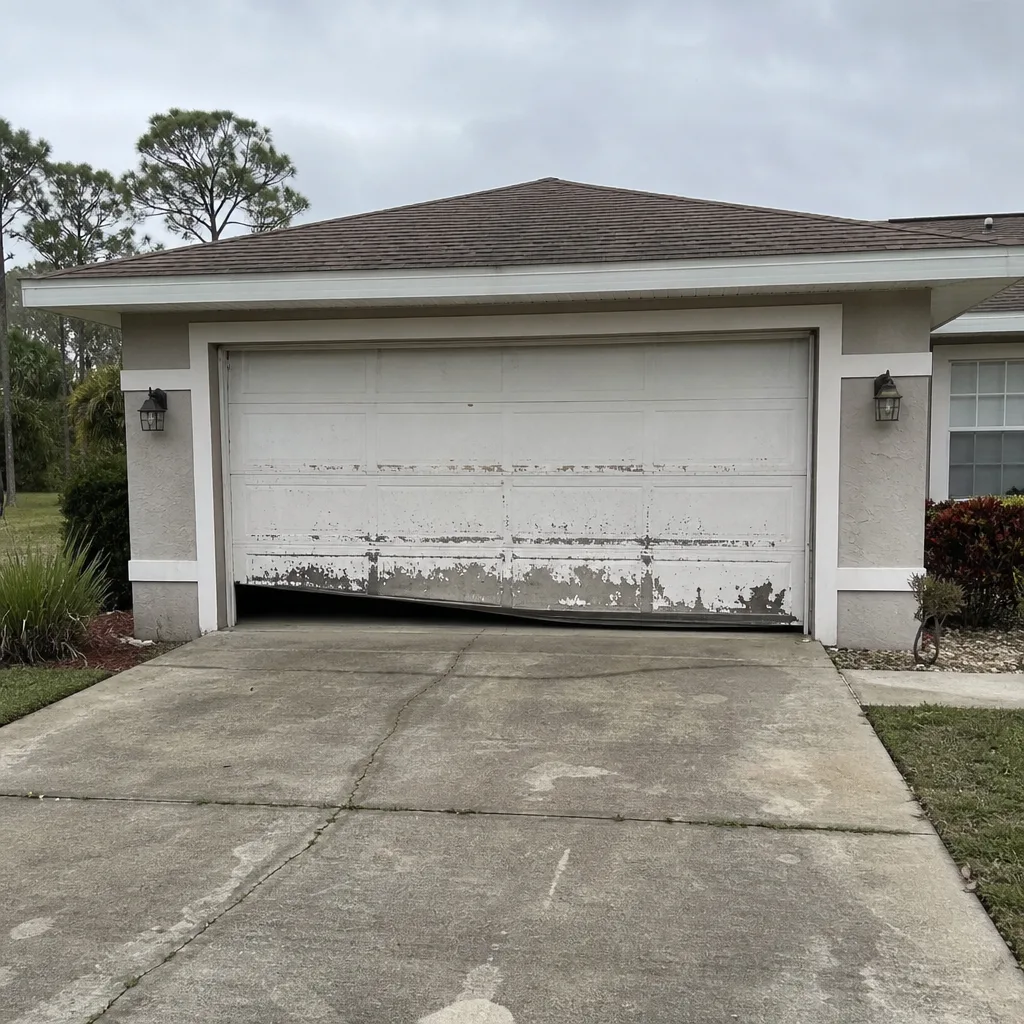 Before
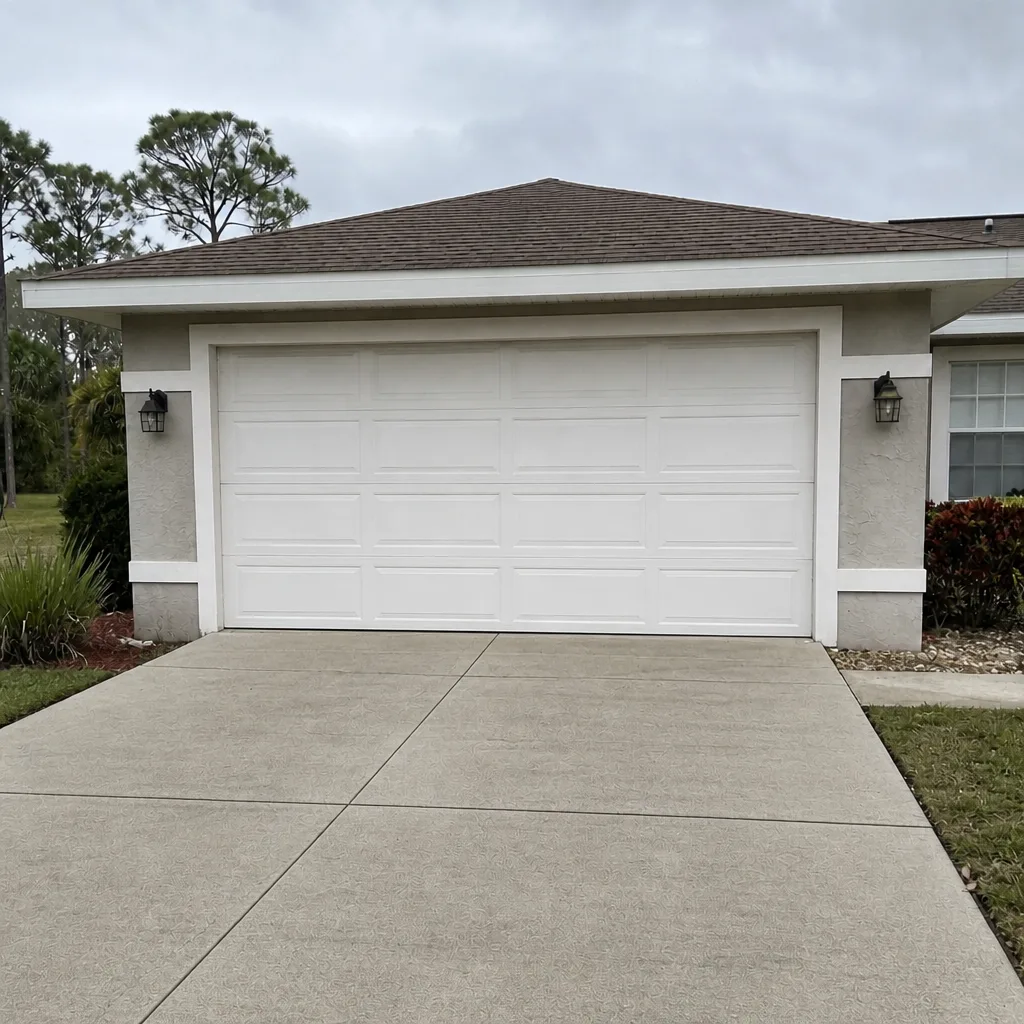 After
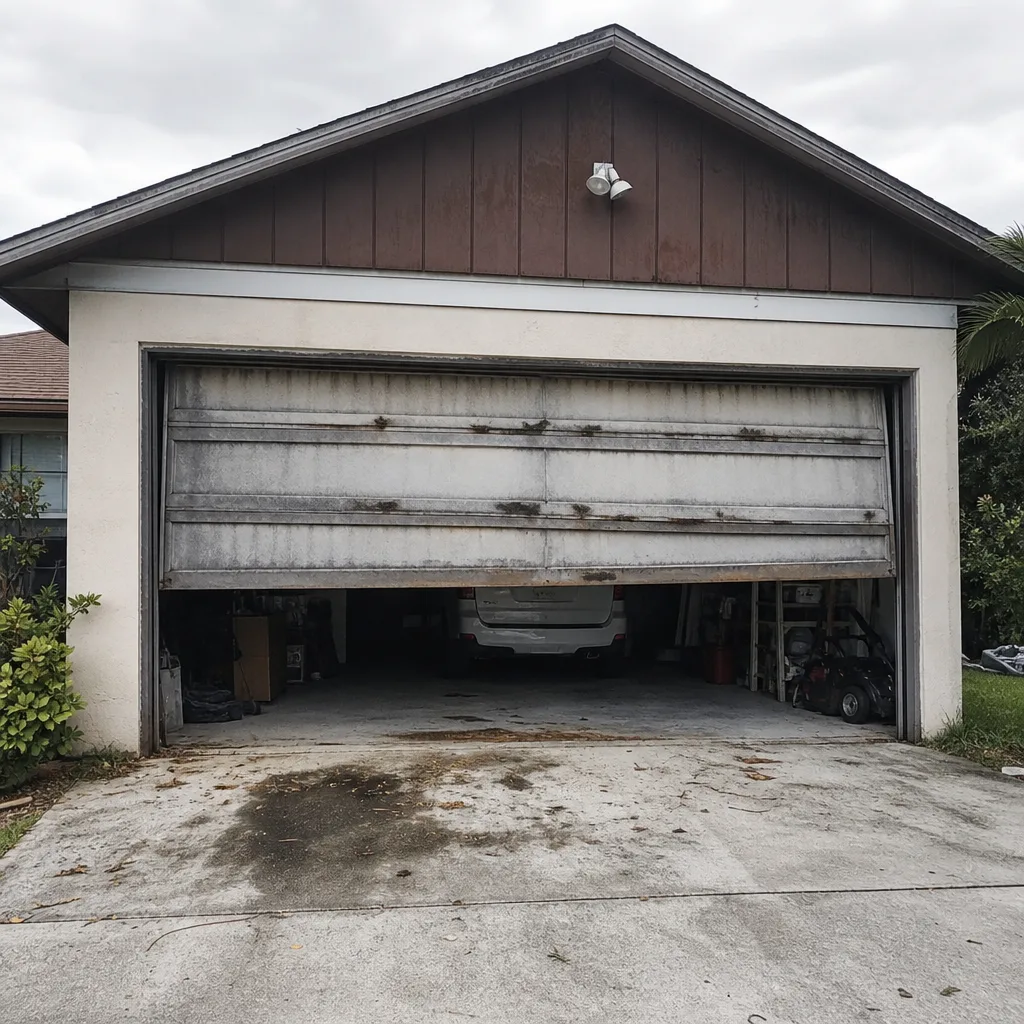 Before
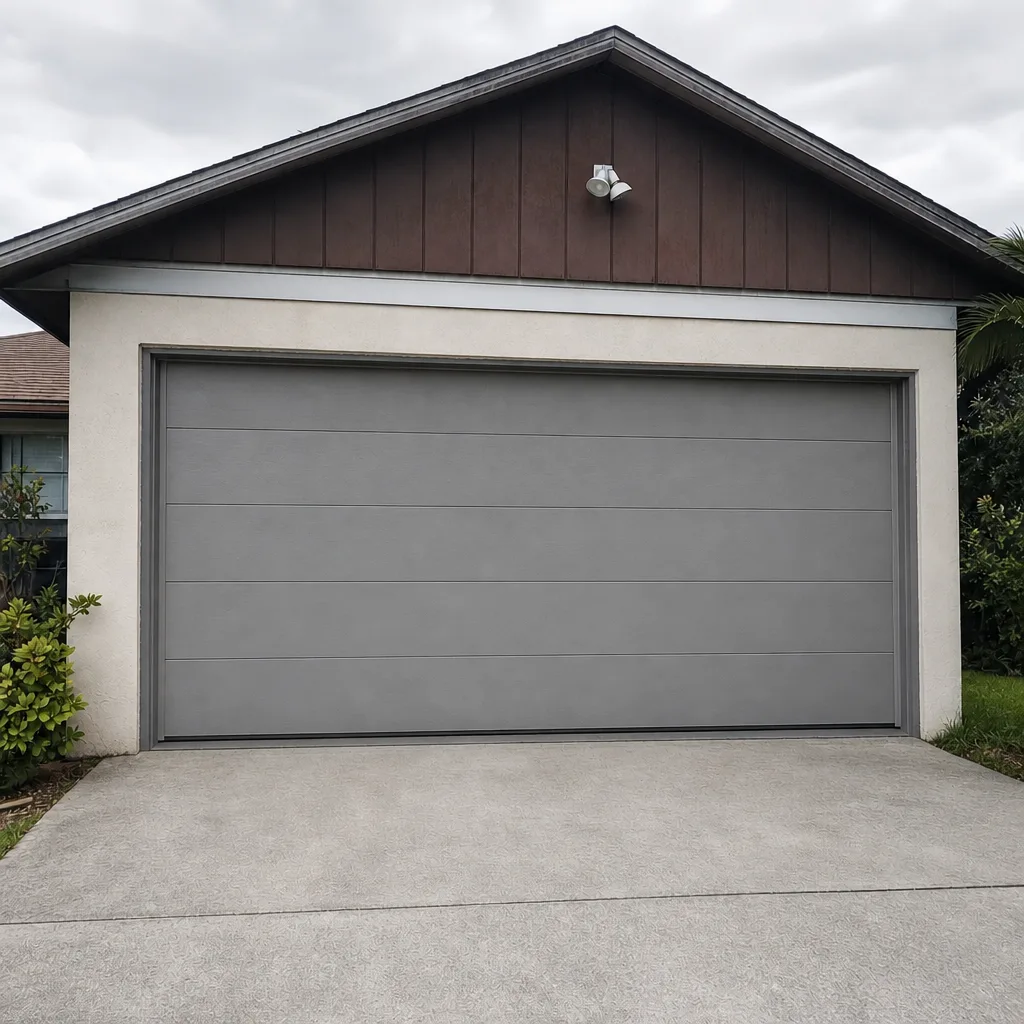 After
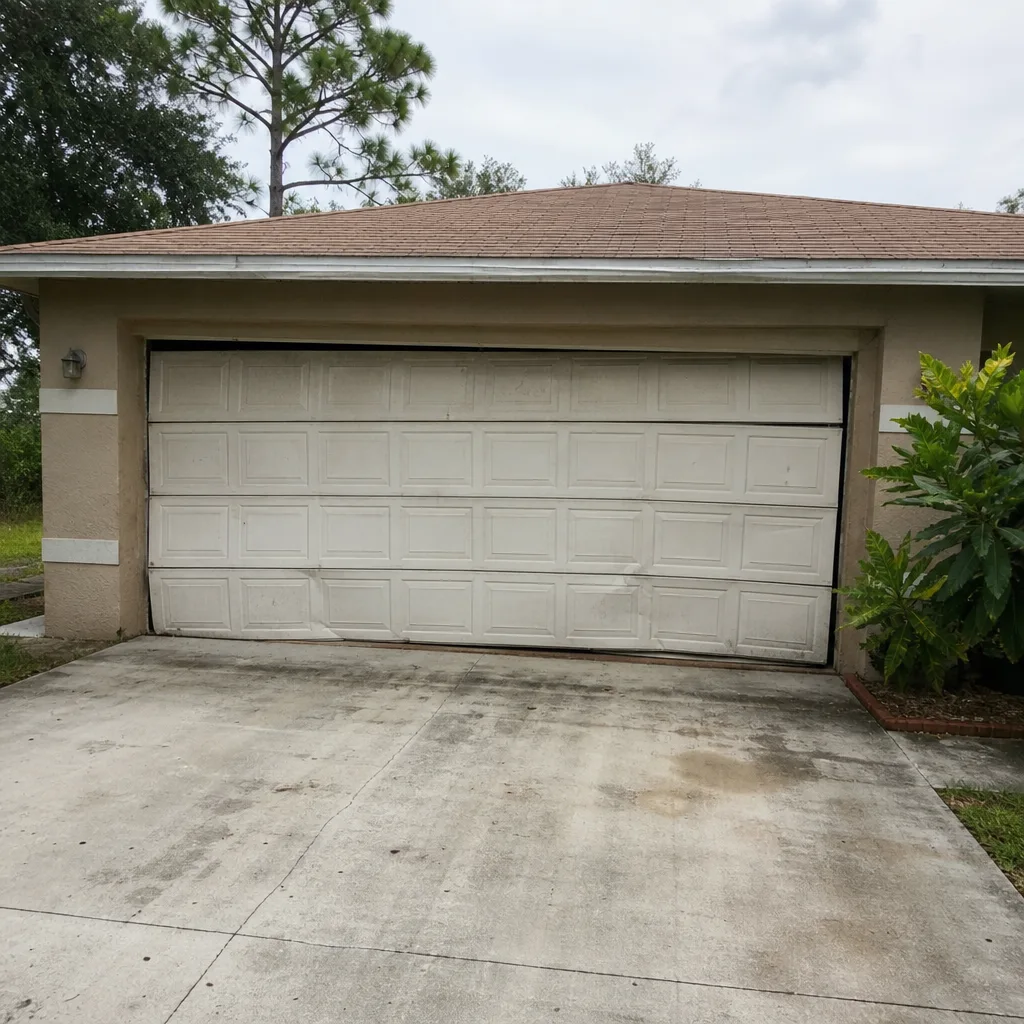 Before
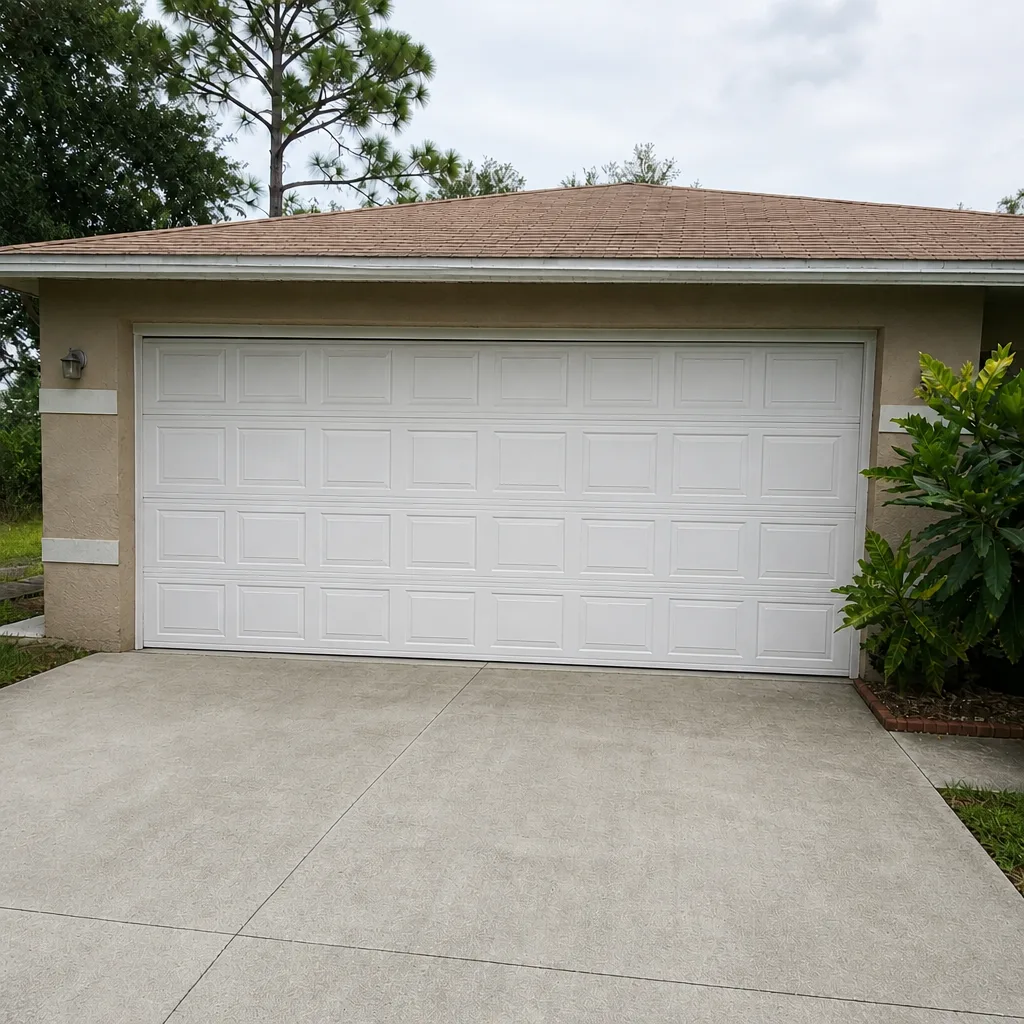 After
When to Call a Professional
You can compare brands on your own, but there are moments when a trained technician should be in the loop. If you’re measuring for a replacement, don’t guess at the opening width, call for a free measure so the estimate is based on the actual opening. If a panel is dented or a track is bent, a technician can tell you whether the part is matchable or the door needs replacing. If a spring breaks, stop. High-tension springs and cables can injure you seriously; that’s not a DIY repair, no matter how handy you are. We also handle garage door maintenance to catch the problems before they become spring failures. The Acreage Garage Door Repair offers free estimates in The Acreage. Call (855) 931-4042. We answer 24/7. Fast dispatch from 7am to 7pm, Sunday through Friday.
Frequently Asked Questions
There isn’t one brand that’s best for every property in The Acreage. The right choice depends on your opening size, wind exposure, and which brand a local technician can stock parts for. Clopay and Amarr are strong for standard-width insulated doors, while Wayne Dalton is a good match if curb appeal is your priority. Call (855) 931-4042 for a free estimate and a straight comparison for your property.
It’s worth it if the garage door faces a long driveway or gets heavy daily use, because the thicker panel resists denting better. On a controlled approach with light use, 25-gauge is usually fine. It’s a smaller difference in real life than the marketing suggests. Call (855) 931-4042 to talk through your specific door and driveway layout.
Only if you use the garage as living space or have conditioned rooms above it. In a climate that rarely drops below 50°F, a very high R-value is often an oversell for a detached, unconditioned garage. A mid-range insulated door is right for most The Acreage properties. Call (855) 931-4042 for a free estimate that matches the door to how you actually use the space.
You end up waiting on parts, and after a storm that wait can run weeks. A brand that a local technician can stock parts for is a better choice than a brand that only looks good on paper. Ask before you buy whether the parts are on hand or on order. We stock and supply parts directly, so call (855) 931-4042 and ask which brands we can service for your door.
Yes. We handle the door and the motorized opener system as a single point of contact, so there’s no split responsibility between two vendors when something fails. We work on LiftMaster, Chamberlain, Genie, Craftsman, Clopay, Amarr, Wayne Dalton, and Raynor. To schedule a diagnostic, call us; we answer 24/7 and dispatch from 7am to 7pm, Sunday through Friday.
No. The price is set by the written estimate, which is quoted and agreed before any work starts. If the measure reveals a non-standard opening or a part that needs ordering, that’s discussed up front, not after the fact. Call (855) 931-4042 for a free estimate, and don’t get surprised at the invoice.
The Bottom Line
Brand loyalty in garage doors is usually borrowed from whoever sold the door. In The Acreage, the better path is to start with your opening size, your wind exposure, and your parts support, then let the brand follow. Clopay, Amarr, and Wayne Dalton each have real strengths, and the right pick depends on which strength matters most for your property. Steel gauge is a smaller deal than the brochure implies, and high R-value is often an oversell in a mild climate. The one factor that outranks everything is local serviceability, because a door that can’t be fixed isn’t a door you want. We work on all eight major brands and stock the parts to back it up. Call (855) 931-4042 for a free estimate.
Written by the team at The Acreage Garage Door Repair.