
Last updated November 22, 2026
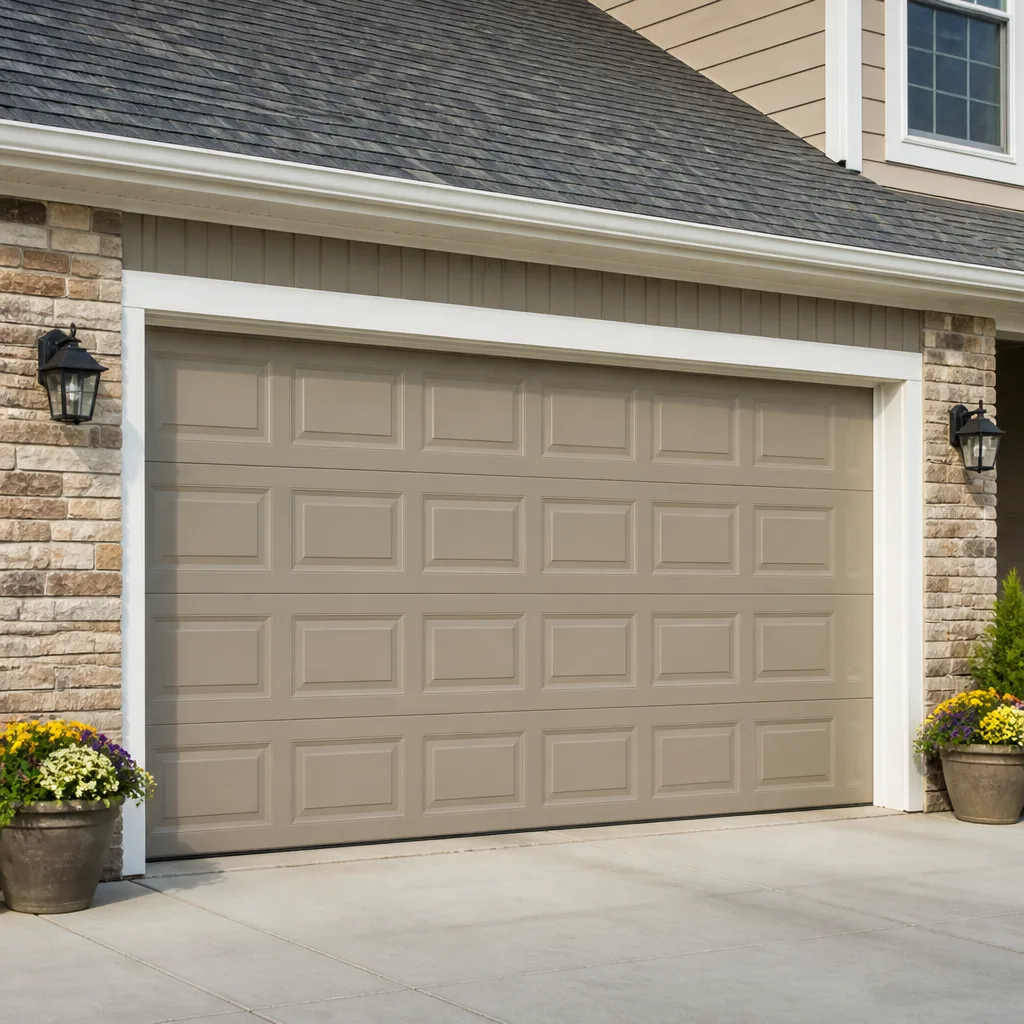 Raised-panel steel
 Carriage house
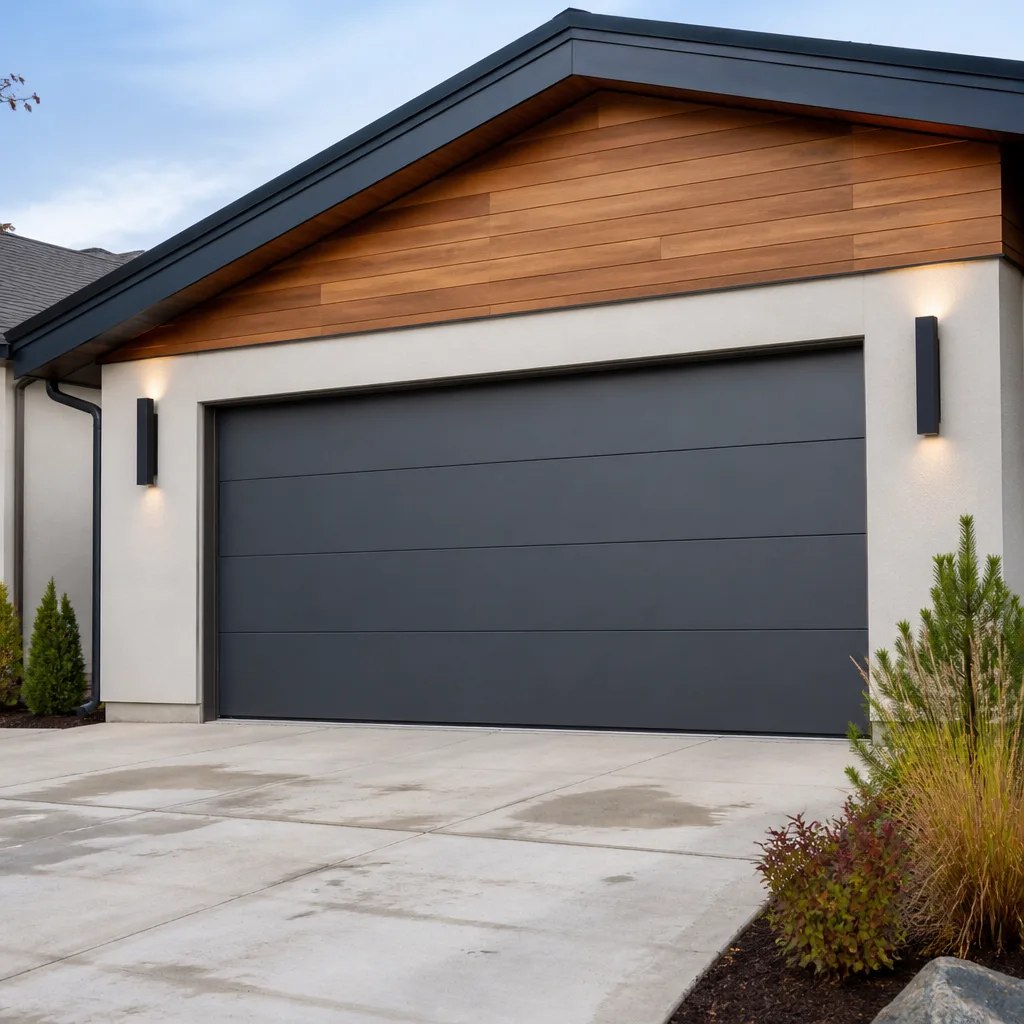 Modern flush
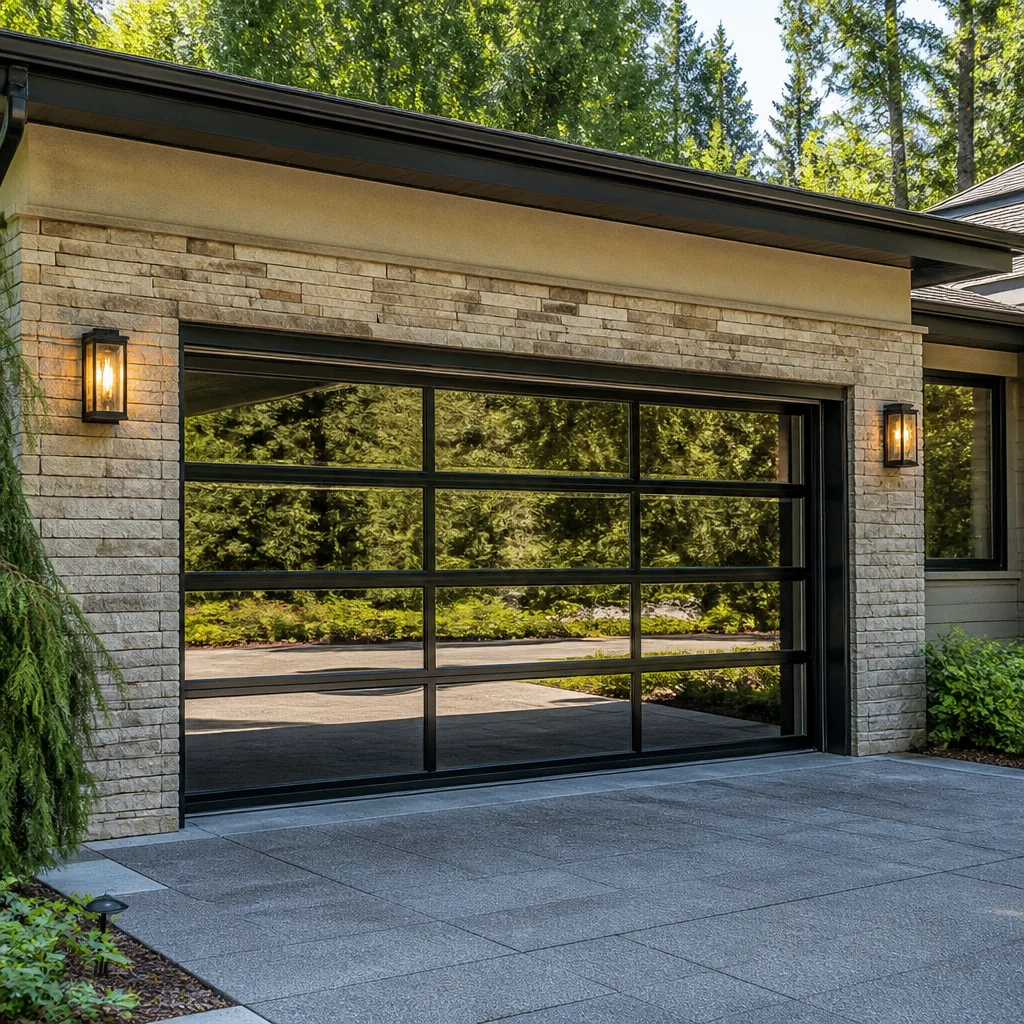 Full-view glass
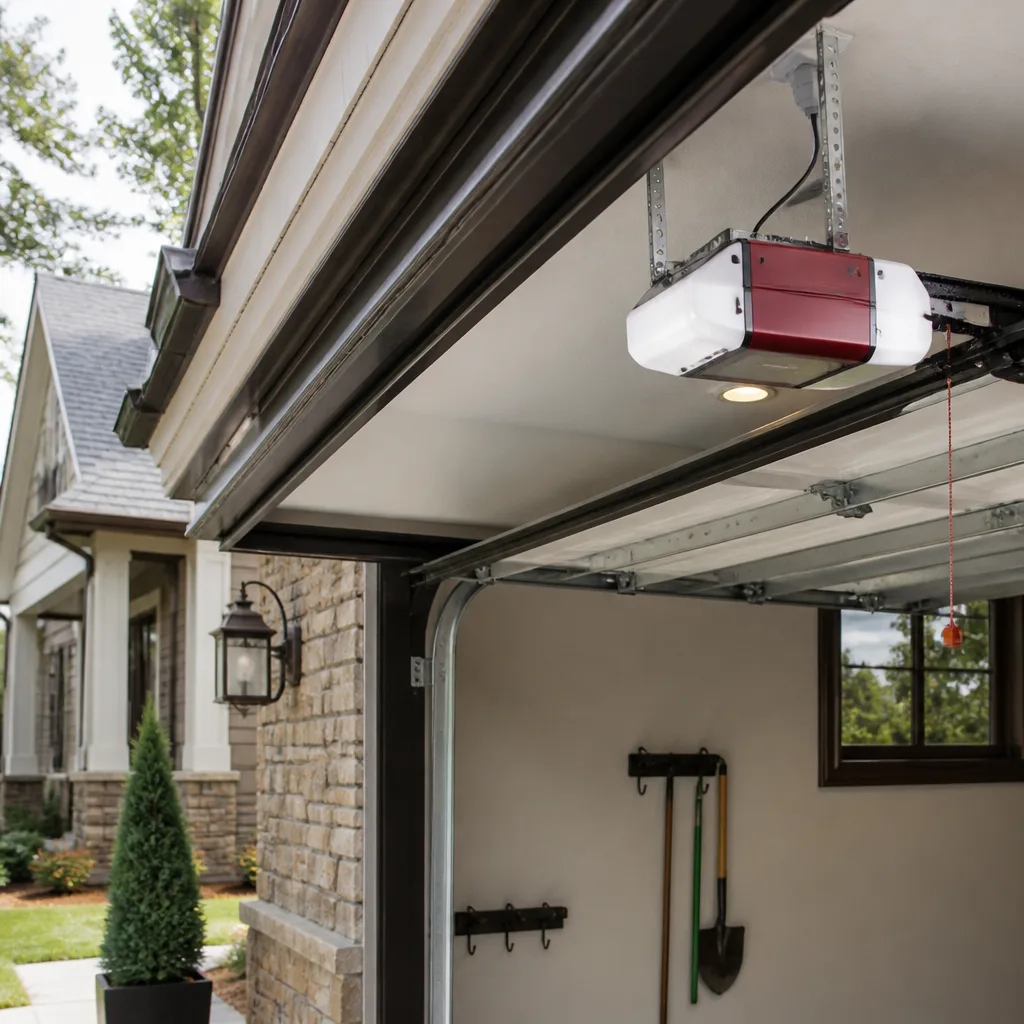 LiftMaster openers
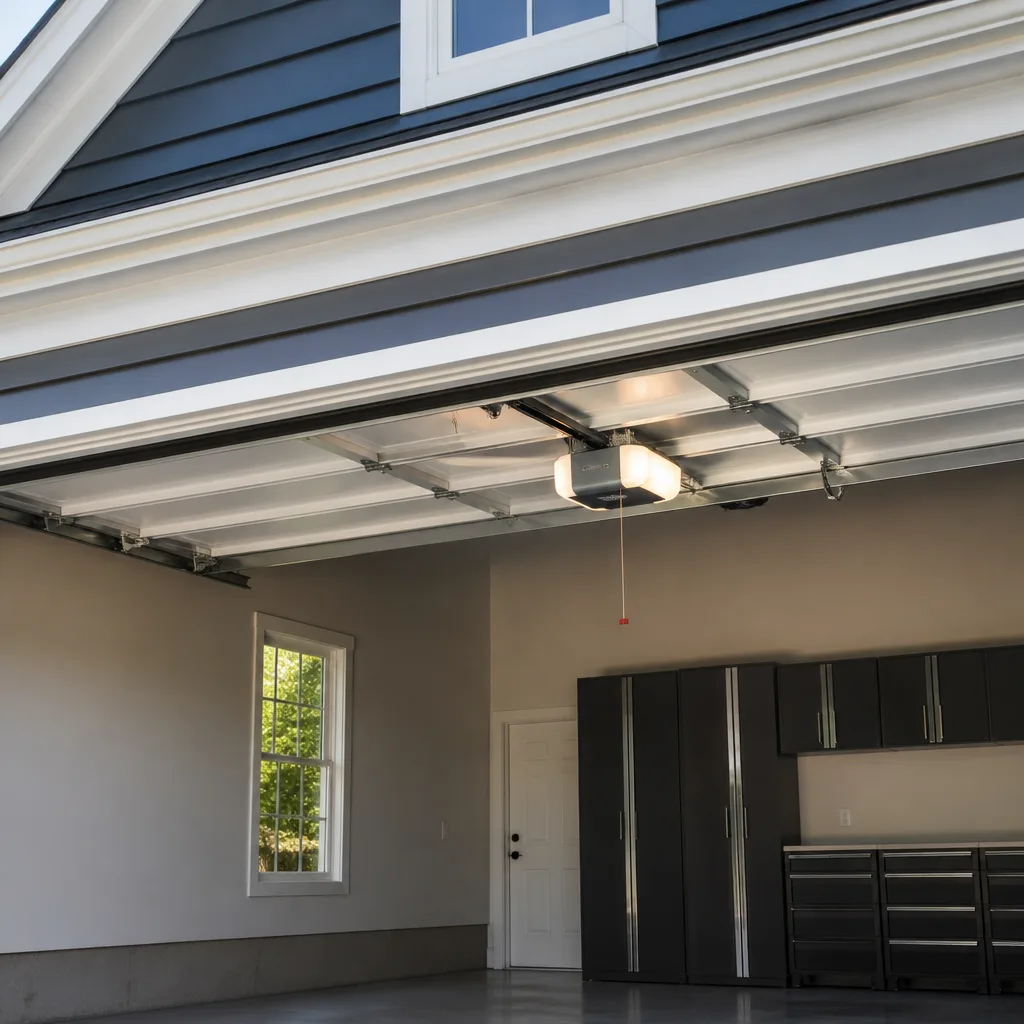 Chamberlain openers
Full 25-point door and opener safety check with every visit - springs, cables, rollers, tracks, and your LiftMaster or Chamberlain opener included
You get a price before we start. It does not change when the pro arrives.
Get your free estimateDIY vs Professional Garage Door: The Acreage Homeowner’s Decision Guide
Replacing a bottom weather seal is a legitimate DIY project. Replacing a torsion spring on an 18-foot door carrying 160 pounds of steel, a common configuration on the larger lots throughout The Acreage, is not a risk category. It’s a liability category. An improperly wound spring stores enough energy to send a winding bar through drywall, a windshield, or a person. The DIY-or-hire debate usually stops at “springs are dangerous,” which is true but not useful enough. This guide draws a sharper line: which tasks are genuinely reasonable to handle yourself, which are possible but easy to get wrong, and which cross into work that Palm Beach County permitting and Florida Building Code rules treat as professional-only. You’ll leave knowing exactly where your weekend belongs.
Quick Answer
Some garage door work is safe and sensible to do yourself: weather seals, lubrication, balancing the safety sensors, and programming your opener. Everything that involves the springs, cables, torsion shaft, or replacing the door itself falls into professional territory, and in The Acreage a full door replacement or any structural change is permitted work under the Florida Building Code. The dividing line isn’t “hard versus easy.” It’s “reversible versus dangerous,” and “decorative versus structural.”
Styles & brands we work with
- Raised-panel steel
- Carriage house
- Modern flush
- Full-view glass
- LiftMaster openers
- Chamberlain openers
Table of Contents
- Where the DIY Line Actually Falls in The Acreage
- Task-by-Task: DIY-Safe, DIY-Risky, and Professional-Only
- Florida Building Code Permits and What They Mean for Your Insurance
- The Real Cost of a DIY Mistake
- Tools You Actually Need for DIY-Appropriate Work
- How to Prepare Well So Professional Work Costs Less
- Know Your Brand Before You Touch Anything
- How to Choose a Garage Door Professional
Where the DIY Line Actually Falls in The Acreage
Picture how most garage doors around The Acreage are built. Large lots, wide driveways, and homes with double-bay garages mean a lot of 16-foot and 18-foot doors hanging on torsion spring systems. Those doors are heavier than the single-car doors common on smaller suburban lots, and the springs that lift them store correspondingly more energy. That single fact reshapes the DIY question. A task that’s borderline on a 9-foot door is genuinely unsafe on an 18-foot door carrying 160 pounds of steel.
We’ve seen the split from both sides. Homeowners who handle the small stuff correctly and save themselves real money over a year. And homeowners who order the wrong spring online, wind it partway, and then call us with a door stuck in the open position and a bent track. The difference almost never comes down to mechanical skill. It comes down to whether the task can hurt you if it fails halfway through.
A workable rule of thumb for The Acreage:
- Reversible tasks are usually fine to attempt. A weather seal, a lubrication pass, a sensor alignment: if you get it wrong, the door still runs and you can try again or call someone.
- Energy-storing tasks are not. Springs, cables, and torsion hardware hold force even when the door is closed and the opener is unplugged.
- Structural or permitted tasks require a licensed professional. New door installation and any change to the opening or framing falls here.
The rest of this guide breaks those categories down task by task, because “hire a pro” as blanket advice is not actually helpful. Some of what you can do yourself genuinely reduces the bill when a professional does need to come out. Some of it, done wrong, turns a small repair into a big one. For the work you’d rather hand off, our garage door repair team can walk you through what’s involved.
Task-by-Task: DIY-Safe, DIY-Risky, and Professional-Only
Here’s the breakdown we’d give a neighbor standing in their driveway in The Acreage. Every task has a place. The trick is knowing which is which before you start.
DIY-Safe (do it yourself)
- Bottom weather seal replacement. A worn seal lets in rain, insects, and the occasional lizard. Sliding a new seal into the retainer is a straightforward job with a screwdriver and a utility knife.
- Lubrication. Rollers, hinges, and the torsion shaft benefit from a proper garage door lubricant (not WD-40) once or twice a year. In The Acreage’s warm, humid climate, dust and grit build up on moving parts faster than most people expect.
- Safety sensor alignment. The two small sensors near the floor of the opening need a clear line of sight to each other. Realigning them or cleaning the lenses is a five-minute job.
- Opener remote and keypad programming. Pairing a new remote or resetting a keypad code is documented in every manual and requires no tools.
- Visual inspection. A monthly look at cables, springs, and rollers for fraying, sagging, or rust costs nothing and catches problems early.
DIY-Possible but Risky
- Roller replacement. Doable if the door is fully raised and locked out with proper C-clamps, but releasing a roller under tension on a heavy door is where people get hurt. If your door is an 18-foot steel model, think twice.
- Hinge replacement. The hinge at the bottom of a door carries more load than the ones above it. A wrong-size hinge or a stripped screw can leave a panel misaligned.
- Opener adjustment (travel limits and force). The settings are in the manual, but a force setting that’s too high defeats the safety reverse feature. Test it carefully with a roll of paper towels.
- Track straightening. A minor bend may look fixable with a rubber mallet. Overdo it and you’ll change the geometry of the whole door.
Professional-Only (do not attempt)
- Torsion and extension spring replacement. This is the highest-risk repair in the trade. A torsion spring on a large door holds enough stored force to cause serious injury, and the winding process requires specific rods and technique. We handle garage door spring repair as a dedicated service for exactly this reason.
- Cable replacement. Cables run under extreme tension. A cable that snaps free can whip with enough force to cut through flesh.
- Torsion shaft, drum, and bearing plate work. These components distribute the door’s full weight. Any failure here drops the door.
- Panel replacement on a running door. A new panel changes the door’s balance. It’s not a swap-and-go job.
- Full door replacement. Structural, permitted, and safety-critical. Not a DIY project in any climate.
- Opener motor or logic board replacement. The electrical side of an opener, and the safety-reverse circuit that depends on it, is where a wrong wire can defeat a critical safety feature.
If you’re unsure which category your problem falls into, the honest answer is to describe it to someone before you start. Call (855) 931-4042 and we’ll tell you plainly. That costs nothing and it’s the fastest way to avoid the “I started this and now it’s worse” call.
Florida Building Code Permits and What They Mean for Your Insurance
Here’s the part most DIY guides skip. In Florida, garage door replacement is subject to the Florida Building Code, and in Palm Beach County that means a new door or a structural change to the opening generally requires a permit through the county’s building department. Not every repair, but the structural ones. The practical rule for a homeowner in The Acreage: if you’re replacing the door, changing the opening, or altering the framing or header, assume a permit is required and confirm with the county before any work begins.
Why this matters beyond the paperwork:
- Unpermitted work can complicate an insurance claim. If a storm damages a door that was installed without a permit, the insurer may question the coverage. That’s not a scare tactic; it’s how claims adjusters read a file.
- Unpermitted work can complicate a sale. A home inspection will flag a garage door that has no permit record if one was required. In The Acreage, where larger properties tend to stay in a family for years, that record often surfaces during a real estate transaction.
- The permit process includes an inspection. That inspection verifies the door was installed to code, which is exactly the part a homeowner can’t self-verify. A properly permitted job creates a paper trail.
What this means for the DIY decision is narrow but firm. Weather seals, rollers, and openers: no permit territory. A new door or a structural change: professional, permitted, inspected work. If you’re not sure where your project lands, the Palm Beach County building department is the authority to ask, not a website. They’ll tell you whether a permit applies to your specific job. We flag it because the insurance-coverage conversation is the one that surfaces months later, when it’s too late to fix the paperwork.
The Real Cost of a DIY Mistake
DIY math usually looks like this: the part costs less than a professional’s labor, so do it yourself. The math breaks down the moment a task goes wrong, because the cost isn’t just the ruined part. It’s the emergency call on top of it, sometimes a second part, and in worse cases a door that’s off its tracks and needs to be rebuilt.
Where DIY mistakes tend to bite hardest in The Acreage:
- Springs ordered to the wrong spec. A torsion spring is sized to the door’s weight and height. Order a spring for a 7-foot door and fit it to an 8-foot opening, and the door won’t balance. The part is wasted, and now the repair is more involved than the original job.
- Cable installed with a clamp instead of a proper drum seat. It might run for a week. Then it doesn’t.
- Force adjustment on the opener. Turning up the force to compensate for a heavier door is the single most common way homeowners defeat the safety reverse. That’s a safety problem first and a repair problem second.
- Track knocked out of alignment. A door that runs on a bent track chews through rollers and eventually bends panels. What started as a $0 “straighten it out” becomes a panel replacement.
- Weather seal installed on the wrong retainer type. The seal pops out within a month, and you’re back at the store.
The point isn’t that DIY is always a mistake. It’s that the cost calculation has to include what happens when it goes wrong, and the correct comparison is “DIY vs a free estimate,” not “DIY vs a professional invoice.” For anything on the risky or professional list, getting a fixed quote first is the cheaper way to make the decision. We can look at a door, tell you whether it’s worth doing yourself, and give you a written estimate on the rest. Call (855) 931-4042 to set that up.
Tools You Actually Need for DIY-Appropriate Work
Forget the generic “garage door tool kit” lists. What you actually need to properly maintain a door in The Acreage depends on the door you own. Large double-bay openings here usually run a torsion spring system, which means the tools a homeowner should touch are the ones that don’t release stored energy.
The tools worth owning:
- A sturdy stepladder. The header height on most Acreage garages puts the torsion shaft and opener rail out of reach without one.
- A socket set and screwdrivers. Seal retainers, hinges, and opener brackets come off with hand tools.
- A proper garage door lubricant. A lithium or silicone-based lube, not WD-40. It needs to stay put in the warmth.
- C-clamps (for roller work only). Two heavy clamps to lock the door on the track before you touch anything under tension. If you don’t have these, don’t start roller work.
- A tape measure and a level. Useful for the safety sensor alignment and for measurements you’ll pass to a professional.
- A utility knife and a roller removal tool. The seal job goes faster with the right blade and the plastic roller tool.
- A roll of paper towels. Not for cleanup. For testing the safety reverse. Place it flat under the door and close it. If the door doesn’t reverse, the opener’s safety circuit needs attention.
What you shouldn’t own, for the record: winding bars. Those are the tools for loading a torsion spring, and they belong in the hands of a technician who knows what they’re doing. If you have a set and you’ve never used one, leave them in the garage. The learning curve is not worth it. Our technicians have up to 10 years of experience with these systems, and they still follow a specific winding procedure for every door.
How to Prepare Well So Professional Work Costs Less
Here’s the part almost no one talks about: a homeowner who does good prep work can reduce the actual labor time on a professional repair. Not by doing the skilled work, but by gathering the information the technician needs and clearing the way.
- Measure the door accurately. For a new door or a spring repair, the technician needs the door’s height, exact width, and the weight of the door panel. If it’s a replacement, take the measurement from the inside of the opening, not the outside. Write it down.
- Note the brand and model. This is the one that saves the most time. Look at the bottom panel of your door and the label on the opener’s motor housing. Note whether you have a LiftMaster, Chamberlain, Genie, Clopay, Amarr, Wayne Dalton, Craftsman, or Raynor system. Each has its own part numbers and compatibility quirks, and knowing yours up front means the technician can bring the right parts the first time.
- Clear space in front of and behind the door. A technician needs room to work at the header and to test the door’s travel. Moving cars and storage out of the way is a ten-minute job that shortens the visit.
- Have the opener’s manual or app handy. For opener diagnosis, the model number and the owner’s manual save time on pairing remotes and reading error codes.
- Describe the failure precisely. “The door goes up two feet and stops” is more useful than “it won’t open.” If you’re dealing with an opener problem specifically, garage door opener repair starts with understanding what the motor is doing when the door fails.
A smartphone photo of the label and the exact measurement is worth as much as any tool in the garage. We’ve seen a well-prepared homeowner turn a two-visit repair into a single visit just by having the model number ready. For the brand-specific side, our The Acreage Garage Door Repair page covers the full scope of what we handle, but the single biggest prep win is knowing your brand.
Know Your Brand Before You Touch Anything
The garage door industry is not standardized. A spring spec that works for one door won’t necessarily fit another. A remote that pairs with one opener won’t pair with the next. Before you order a part online or start a repair, know the exact system you’re operating. In The Acreage, the doors we see most fall into a handful of families: LiftMaster and Chamberlain openers, Genie drives, Clopay and Amarr door panels, Wayne Dalton’s proprietary designs, Craftsman openers, and Raynor’s commercial-grade residential doors.
Why the brand matters at the DIY decision point:
- Wayne Dalton uses a proprietary spring system on some models that doesn’t accept generic parts. A generic spring ordered online may not fit at all.
- Raynor doors vary significantly by model line. The same door height can carry a spring of a different gauge depending on the panel weight.
- Craftsman openers use specific safety-reverse settings that vary by generation. Turning up the force to fix a slow door is the wrong lever.
- Amarr panels are matched to specific track and hinge assemblies. Panel replacement is a compatibility job more than a strength job.
The honest DIY rule here is simple. If you don’t have the model number, don’t order the part. Spend the ten minutes finding the label. If it’s obscured or missing, a quick call is faster than a wrong order. We’re certified to work on all eight of those brands and can confirm the exact spec your door needs before you spend money on a part. That saves more than it costs.
How to Choose a Garage Door Professional
If you’ve decided the task is beyond the DIY line, the next decision matters just as much. Here’s what actually distinguishes a good garage door professional from a bad one, and what to ask before anyone touches the door.
- Ask what brands they service. A specialist who works across multiple brands won’t try to fit a generic part to a specific door. A brand-specific outfit is fine if your brand is their brand, but a specialist who works across LiftMaster, Chamberlain, Genie, Clopay, Amarr, Wayne Dalton, Craftsman, and Raynor is more likely to have your part in hand.
- Ask whether they stock parts. A company that orders every part has to schedule a second visit. One that carries common parts can often finish the job the same day.
- Ask for a written estimate before work begins. The price should be set in writing and agreed before the first tool comes out.
- Confirm whether the job requires a permit. If it’s a new door or a structural change, the honest answer is “yes, and we’ll handle it.” A company that waves off the permit question is telling you something.
- Ask about spring work specifically. A company that treats spring repair as its own specialty, rather than bundling it into general repair, tends to have the process dialed in.
You want a single point of contact for the door hardware and the opener, not two companies each blaming the other. That’s the reason we handle the full lifecycle: repair, opener diagnosis, spring replacement, parts, and installation, all in one place.
Common Mistakes to Avoid
- Trying to fix a torsion spring on your own. This is the highest-risk task in garage door work, and the temptation is highest because the part is cheap. An 18-foot door on a torsion spring stores serious force, and an improperly wound spring can release that force unpredictably. Leave this one to a technician with the right tools and the right technique.
- Ordering a part before confirming the model number. In The Acreage, the same door height can carry two different spring specs depending on the brand and the panel weight. A generic order is a coin flip. Find the label first.
- Skipping the permit on a new door or structural change. Florida Building Code and Palm Beach County permitting apply to more of this work than many homeowners realize. Unpermitted work surfaces in insurance claims and home inspections, and it’s expensive to fix after the fact.
- Turning up the opener’s force setting to fix a slow door. This is the most common and most dangerous DIY mistake. The force setting is a safety circuit, not a performance knob. If the door is slow or heavy, that’s a sign something else is wrong.
- Using WD-40 on rollers and hinges. It’s a solvent, not a lubricant. It will strip the existing lube and attract grit. Use a garage door lubricant instead, especially in this climate.
- Working under a door held only by the opener. The opener is not a safety device. Before any work, the door must be fully open, the opener disconnected, and the door locked with C-clamps on the track.
- Ignoring a visual inspection until something fails. A monthly two-minute look at the cables and springs catches the early warning signs: a sagging door, a frayed cable, or a spring that’s starting to gap. Early detection is the cheapest repair of all.
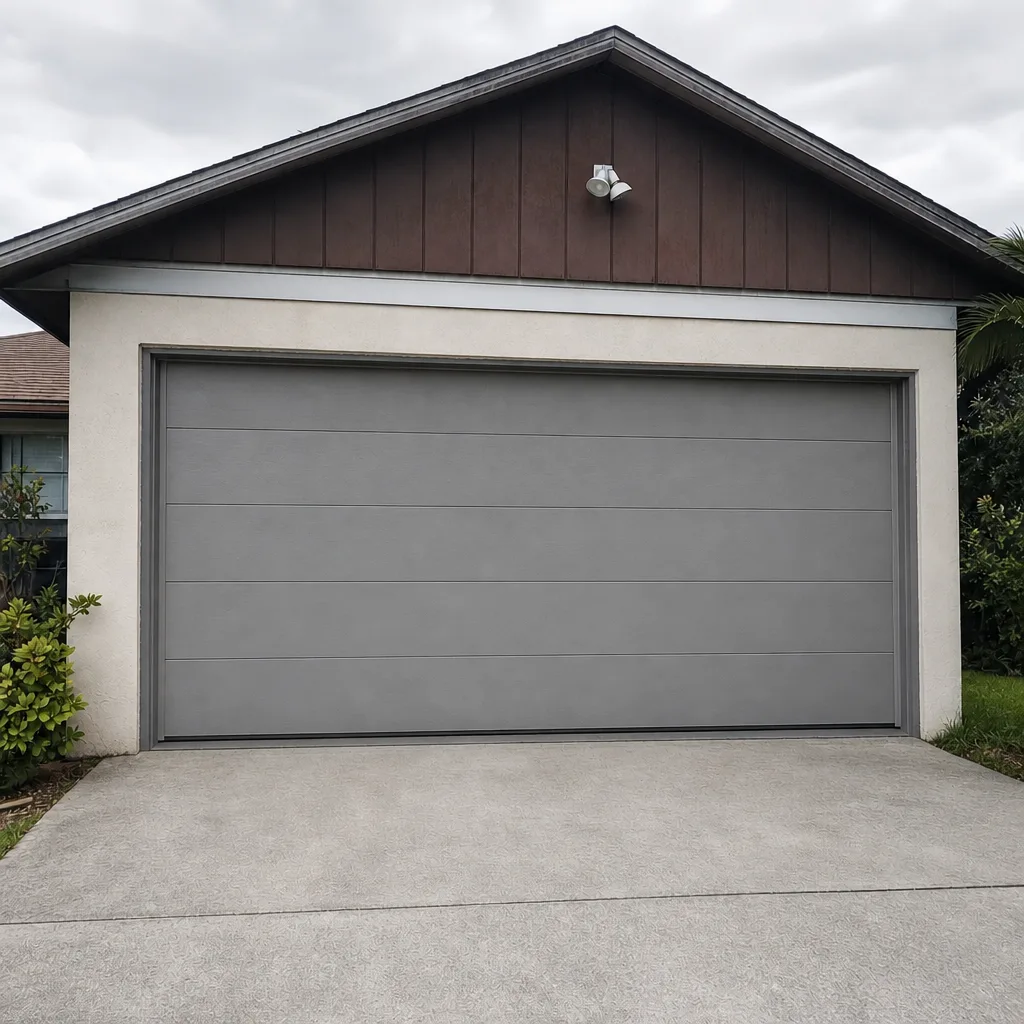
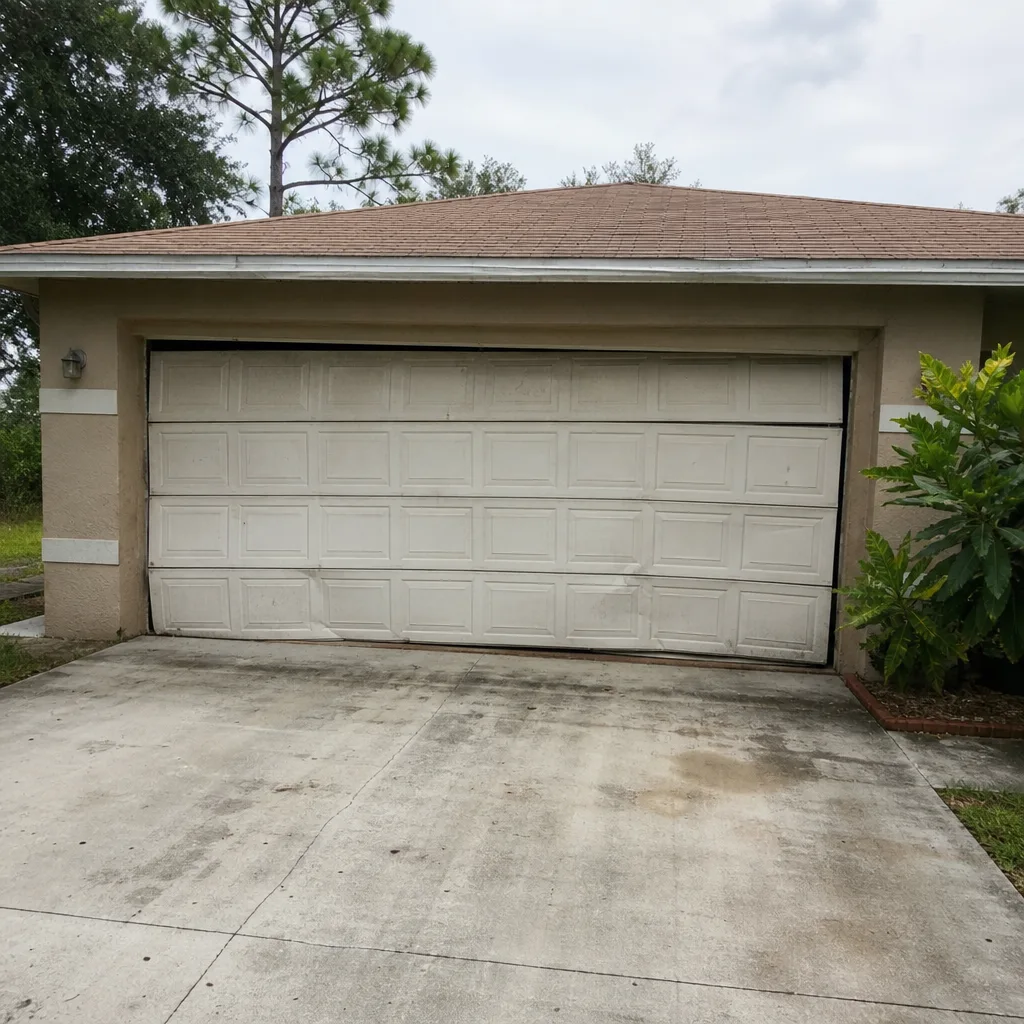
See the difference
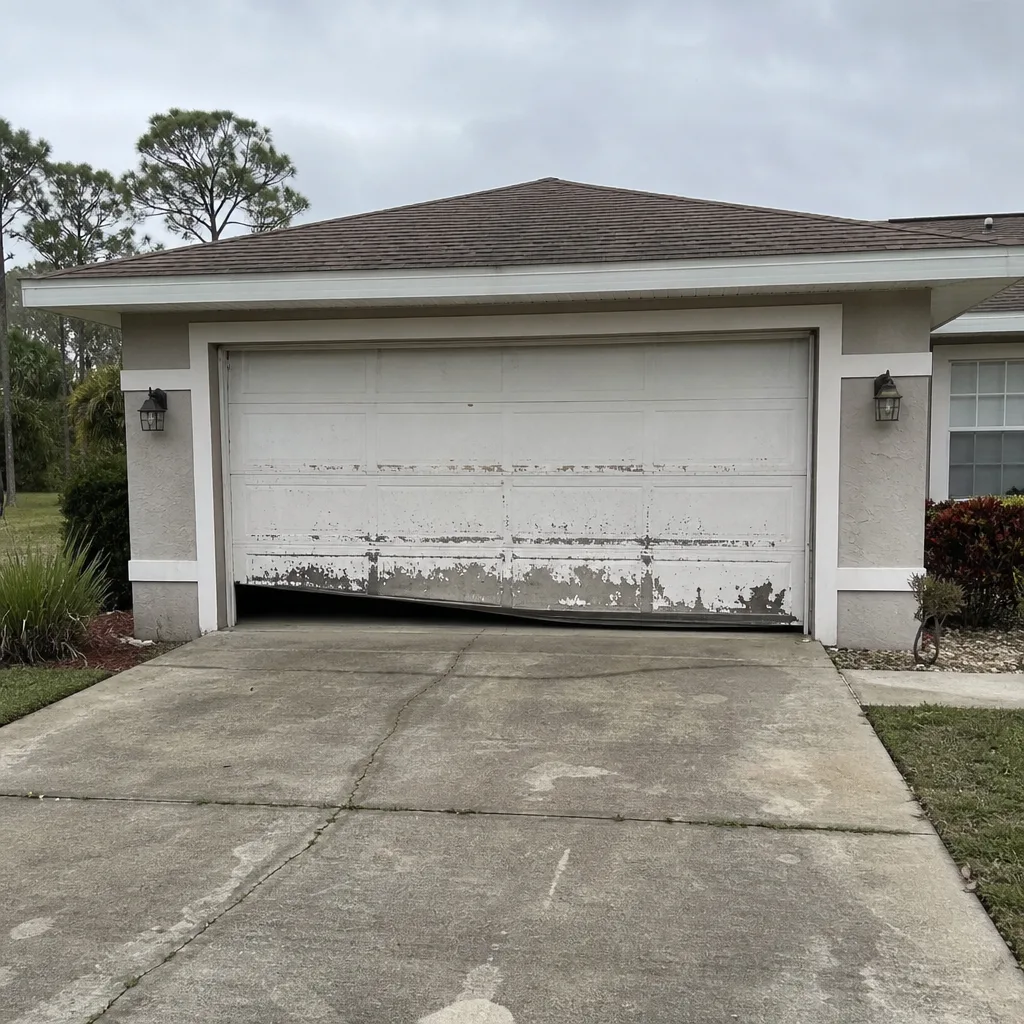 Before
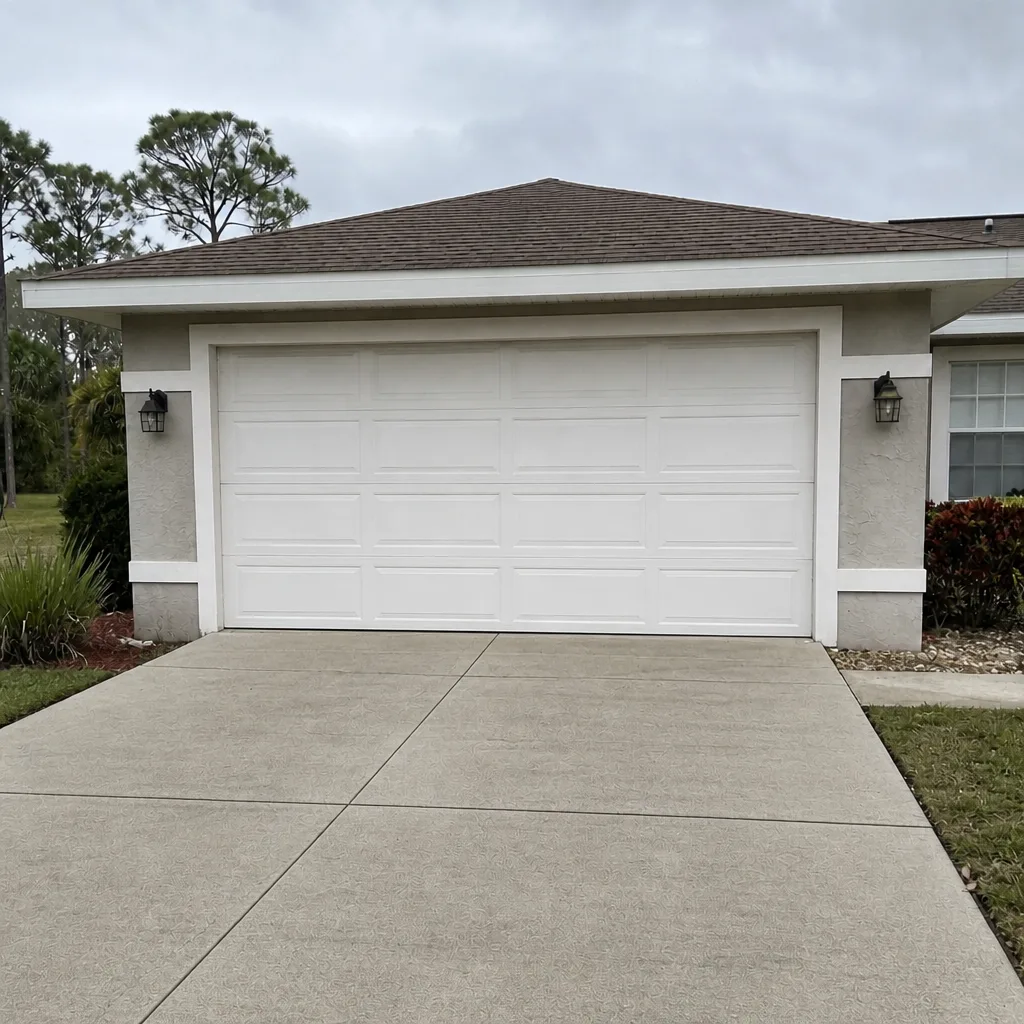 After
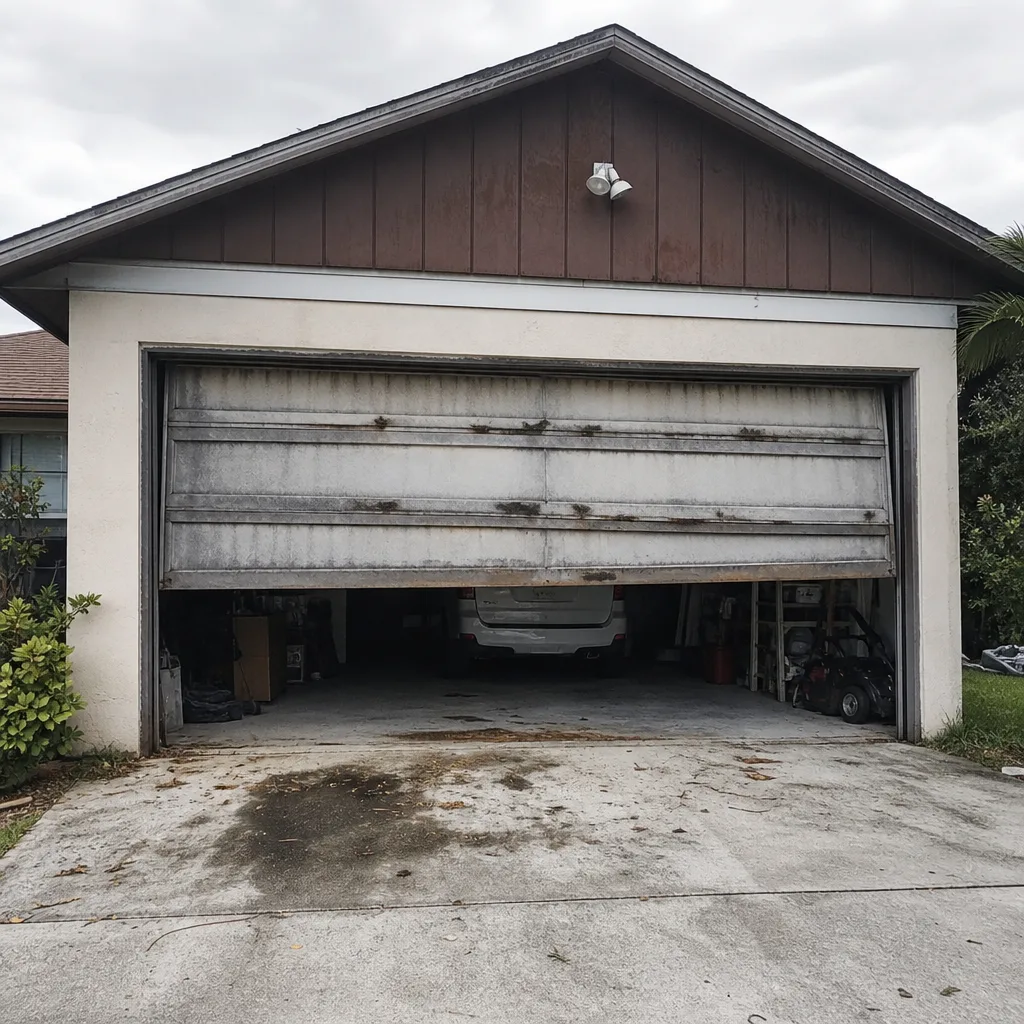 Before
 After
 Before
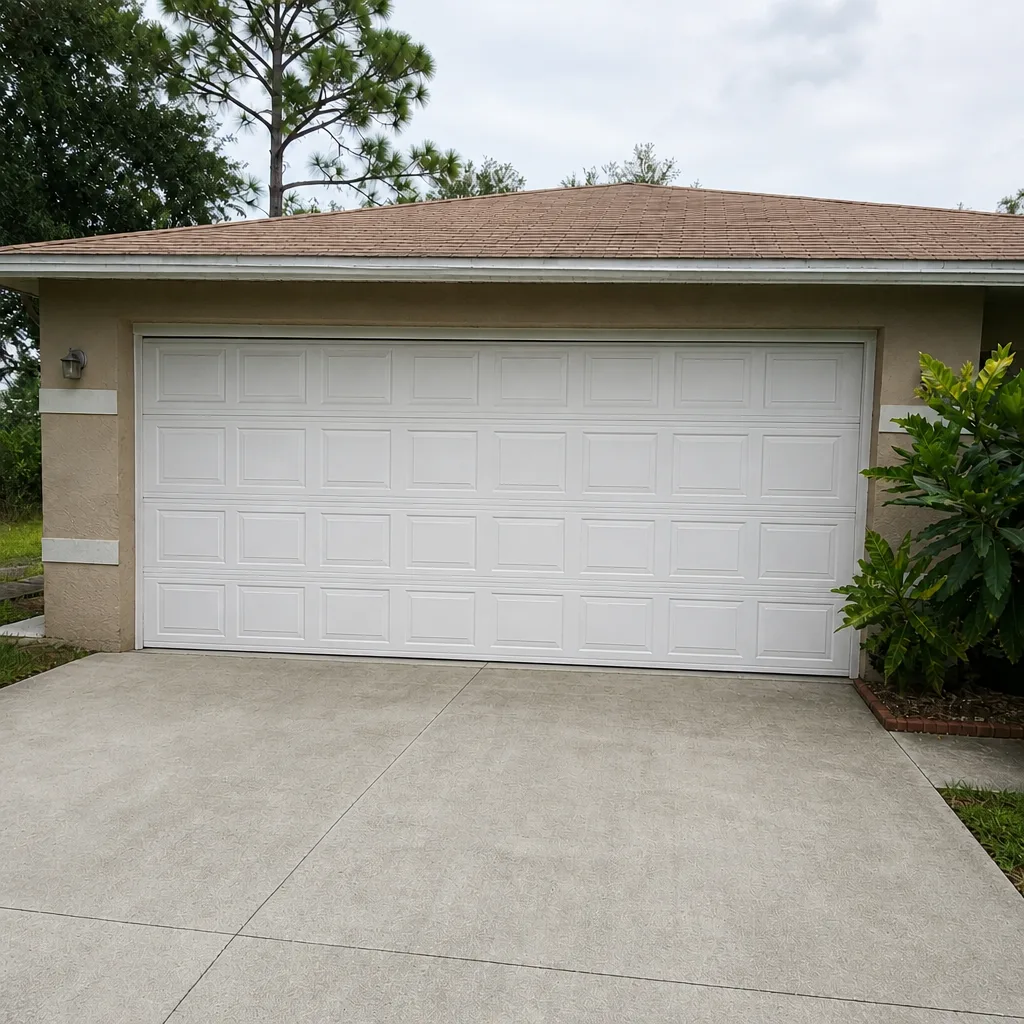 After
When to Call a Professional
Call a professional when the task involves stored energy (springs, cables, torsion shaft), when it’s a structural change or a full door replacement, or when an opener is behaving inconsistently in a way you can’t reproduce. Also call if a DIY task has started to go wrong and you’re no longer confident the door is safe to operate. Those are the scenarios where the cost of a misstep is not just a bigger bill but an injury or a door that drops. The Acreage Garage Door Repair offers free estimates in The Acreage. We’ll tell you honestly whether the job is worth attempting yourself. Call (855) 931-4042. We answer 24/7. Fast dispatch from 7am to 7pm, Sunday through Friday.
Frequently Asked Questions
No. Torsion and extension springs store enough force to cause serious injury even when the door is closed and the opener is unplugged, and the winding procedure requires specific tools and technique that aren’t safe to learn on the fly. The right call for any spring work is a technician who does it routinely. Call (855) 931-4042 and we’ll get an exact quote scheduled. Estimates are free.
Usually yes. Under the Florida Building Code, garage door replacement and most structural changes to the opening require a permit through the county building department. Confirm with Palm Beach County directly for your specific job, because the answer depends on the scope of work. Unpermitted work can complicate insurance claims and home inspections.
Bottom weather seals, lubrication, safety sensor alignment, remote and keypad programming, and visual inspections are safe and sensible DIY projects. Rollers and hinges are possible but risky on a heavy door. Springs, cables, torsion hardware, panel replacement, and full door replacement belong in professional hands.
We don’t quote prices in a guide because the honest number depends on your door’s size, weight, spring configuration, and brand. What we can say is that the written estimate sets the final price and the price is agreed before any work begins. Call (855) 931-4042 for a free estimate on your specific door.
Sometimes, but it’s a common source of mismatch. Garage door parts are brand-specific: a Wayne Dalton spring won’t interchange with a generic part, and a Raynor door of the same height can carry a different spring gauge. Confirm the exact model number before ordering, or let a technician supply the correct part. Call (855) 931-4042 if you’re unsure what you have.
Turning up the opener’s force setting to compensate for a door that’s slow or heavy. That’s a safety circuit, not a performance adjustment, and it defeats the reverse-on-contact safety feature. If the door doesn’t reverse when it meets an obstruction, the opener needs attention before anyone uses it.
The Bottom Line
The DIY-versus-professional question has a real answer, and it isn’t “always hire a pro.” Reversible, non-structural work is genuinely reasonable to do yourself, and doing it well saves money over a year. Once the task involves stored energy, cables, torsion hardware, or a permitted structural change, the risk and the code rules converge on the same answer: professional work. In The Acreage, those lines are particularly clear because the large doors on most properties hang on torsion spring systems that carry real force. If you’re not sure which side of the line your project falls on, describe it and get a free written estimate first. The decision is easier when you know the numbers. Call (855) 931-4042. We answer 24/7. Fast dispatch from 7am to 7pm, Sunday through Friday.
Written by the team at The Acreage Garage Door Repair.