
Last updated November 22, 2026
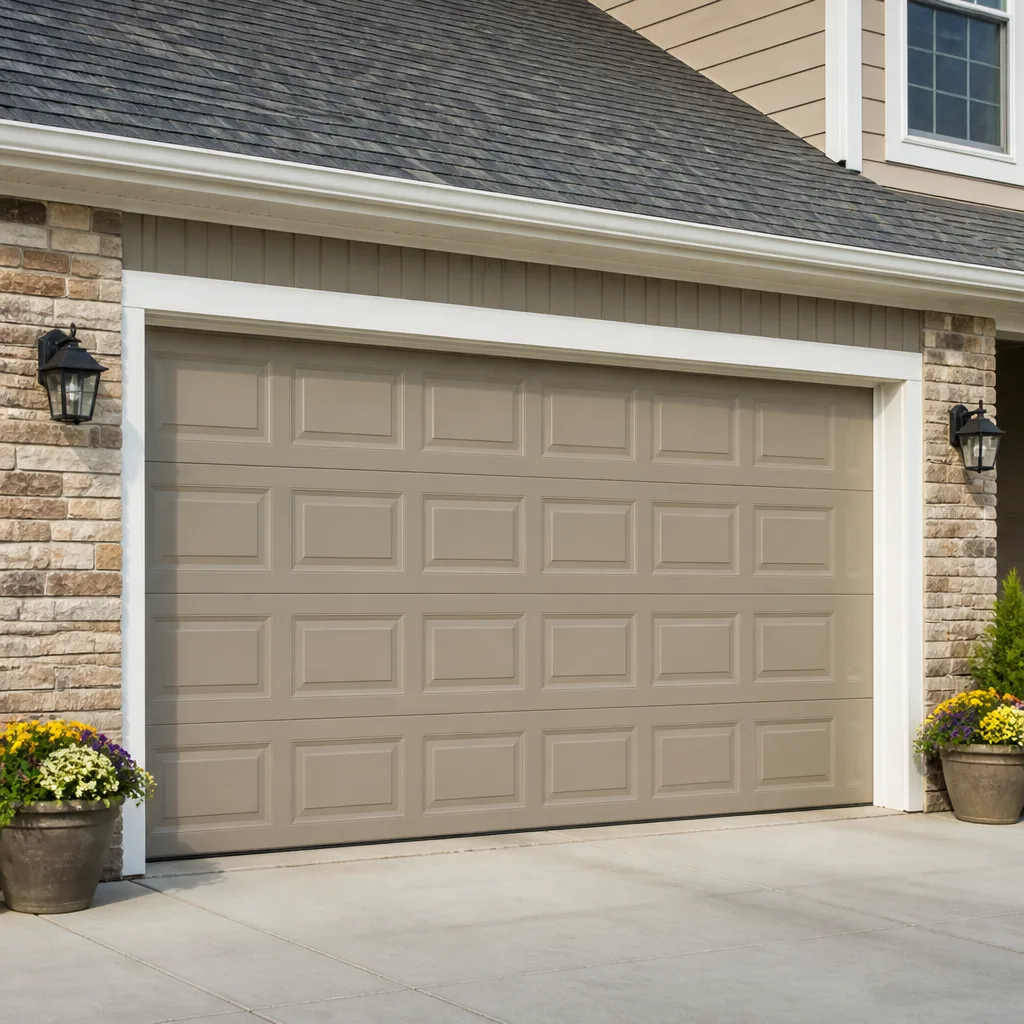 Raised-panel steel
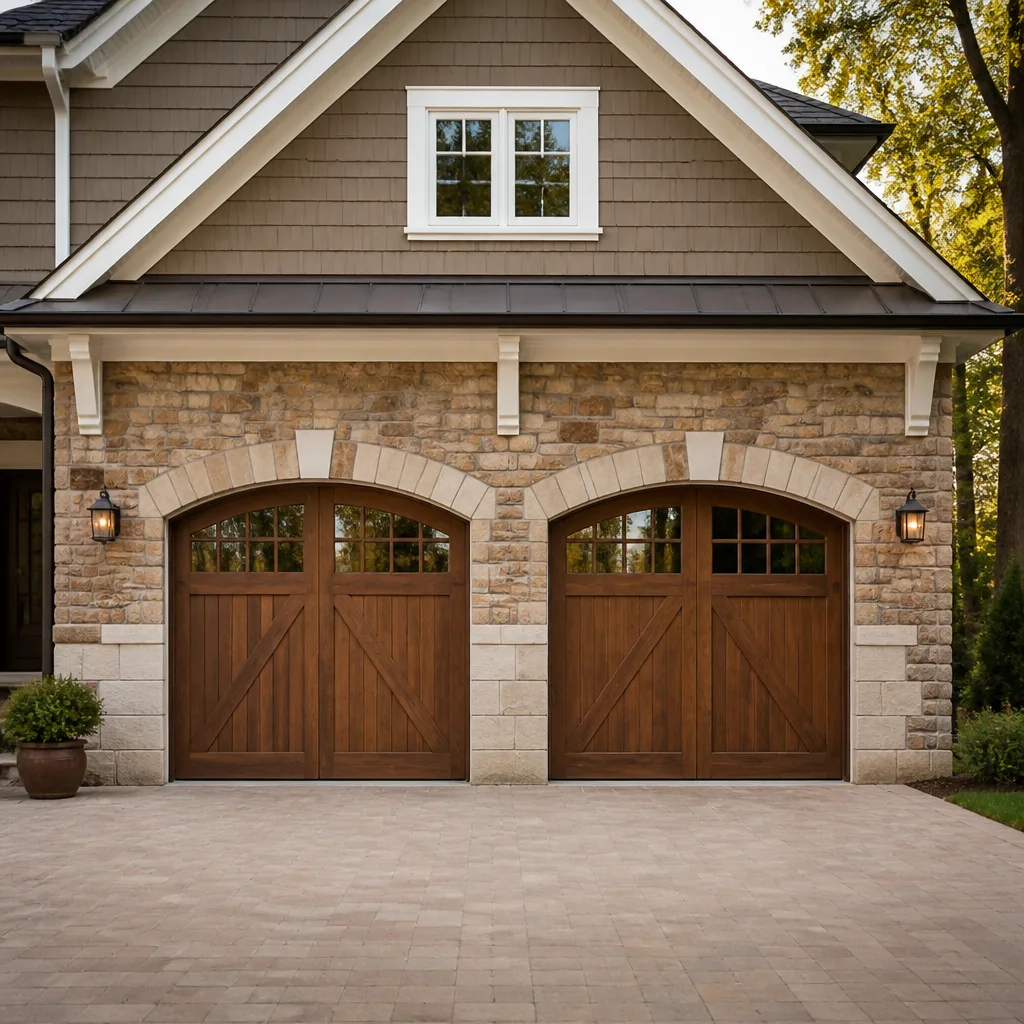 Carriage house
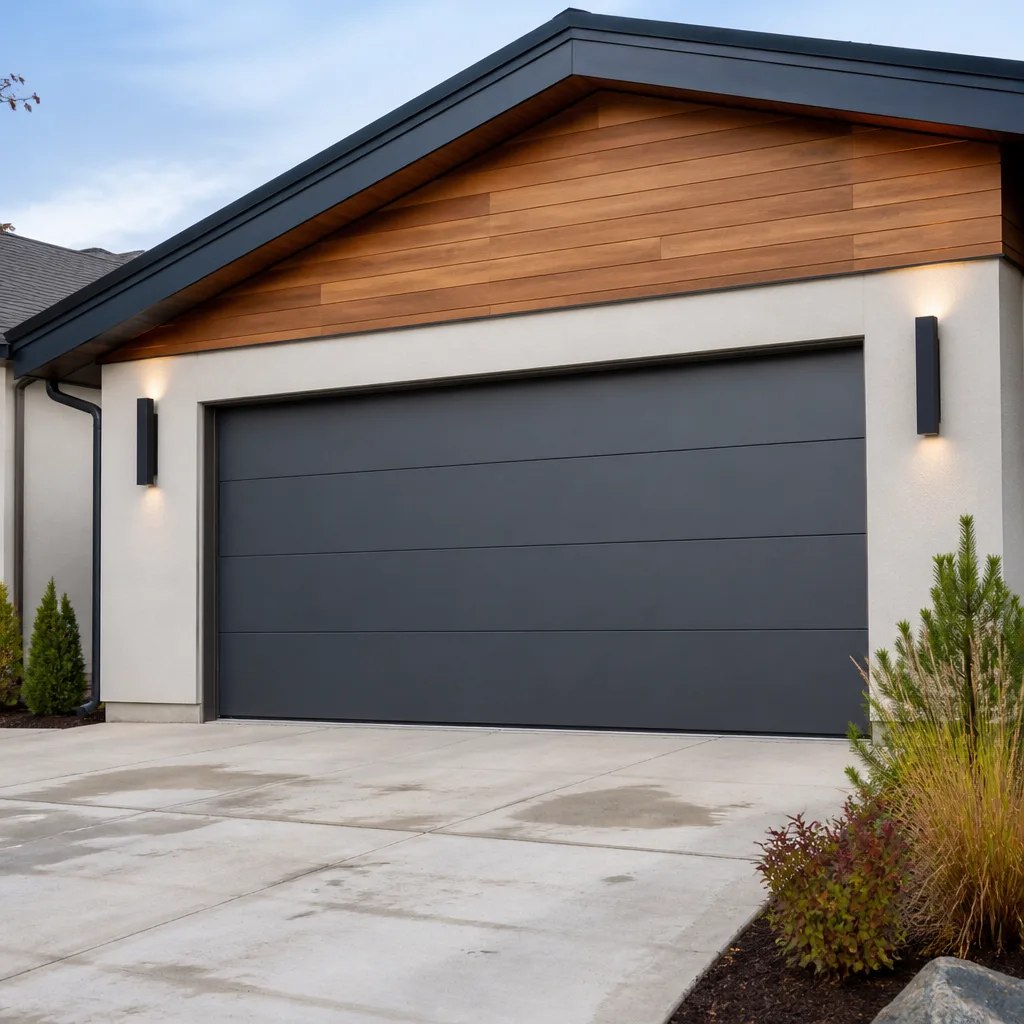 Modern flush
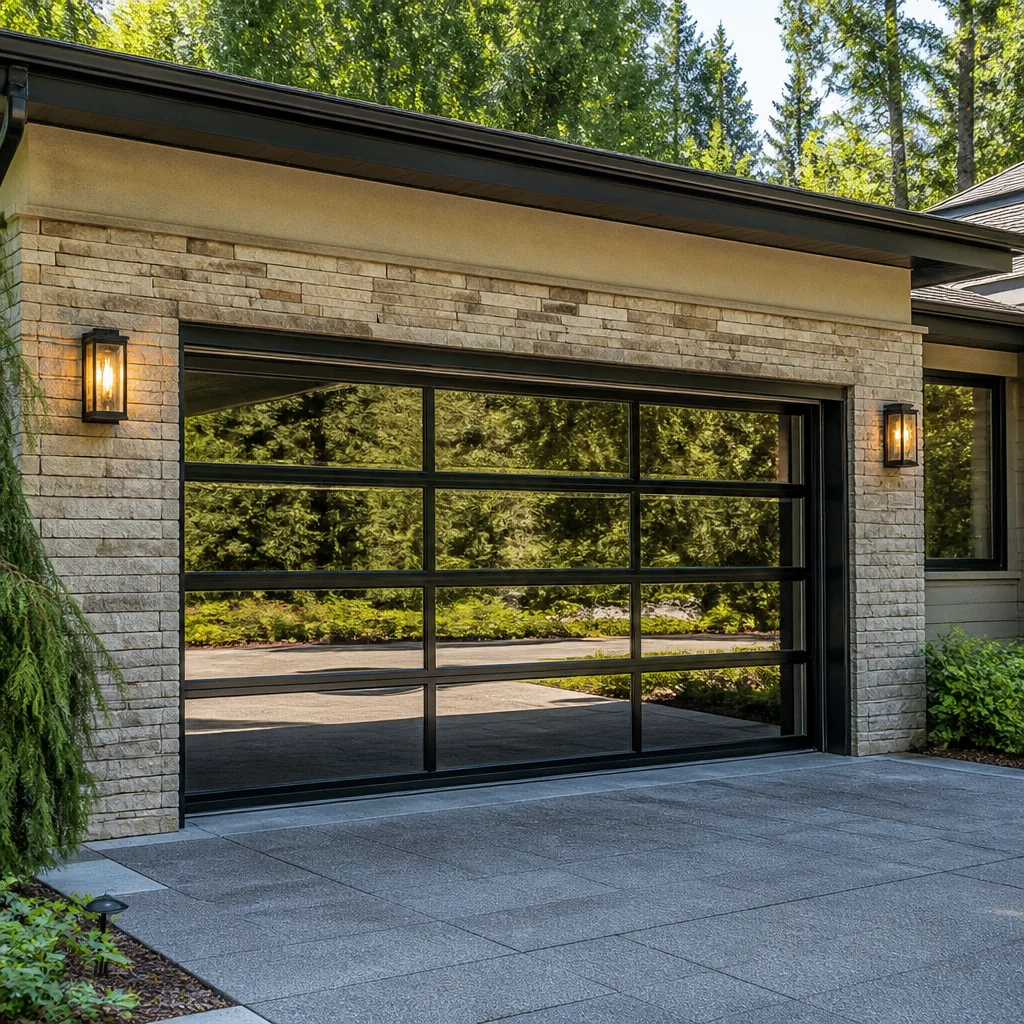 Full-view glass
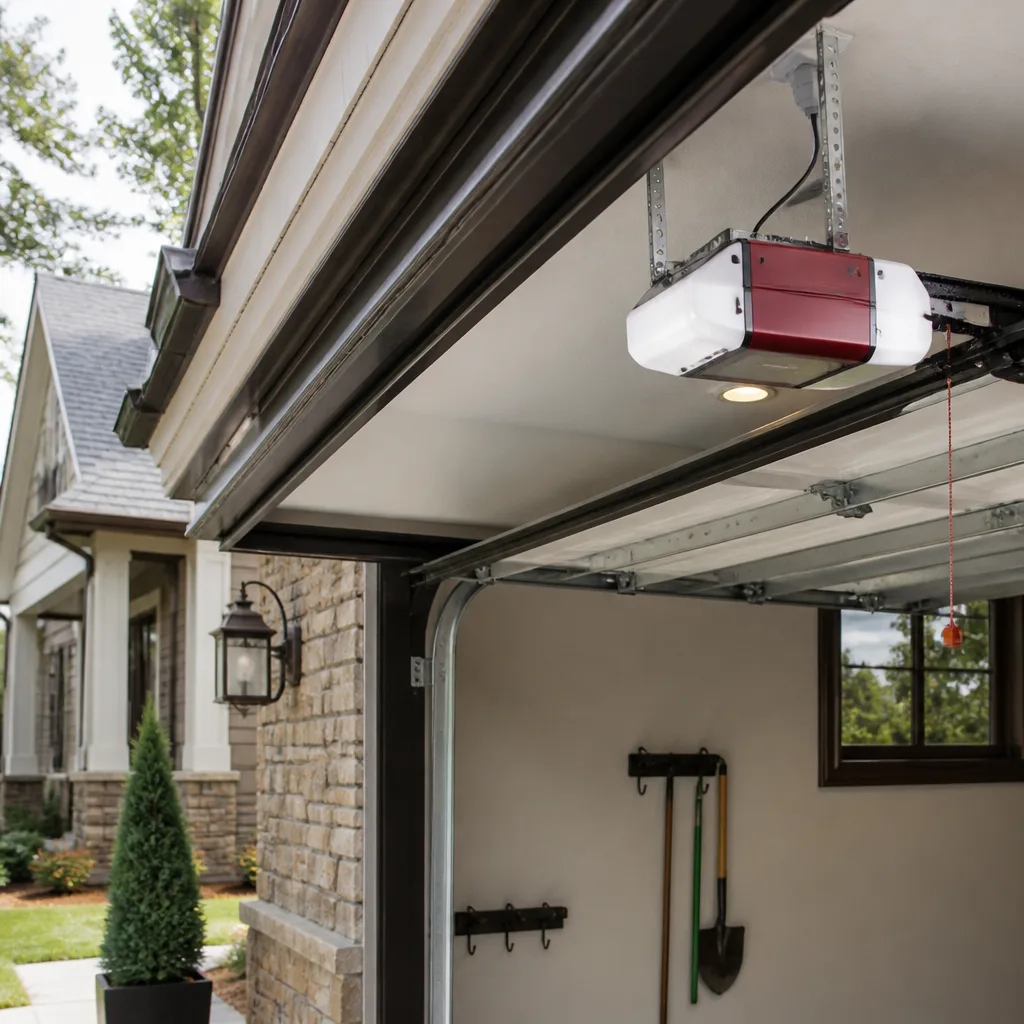 LiftMaster openers
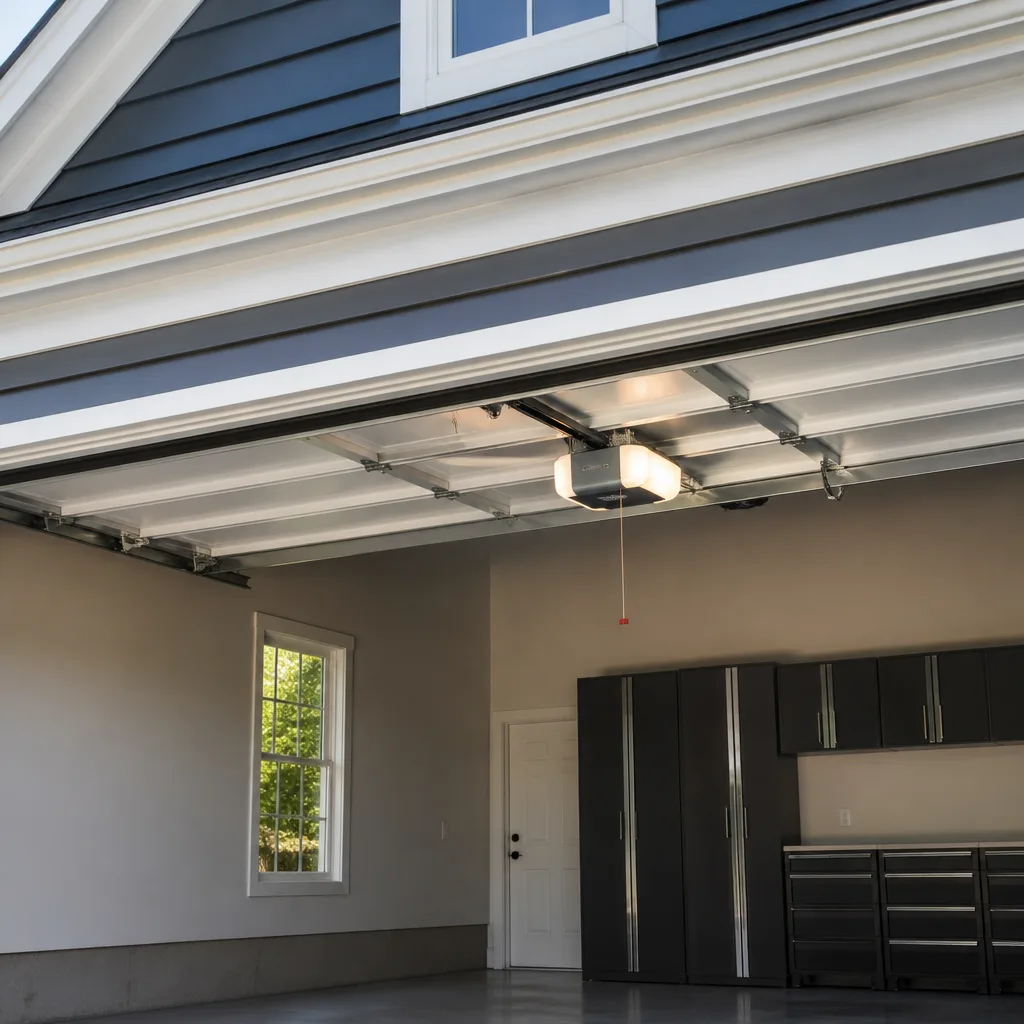 Chamberlain openers
Full 25-point door and opener safety check with every visit - springs, cables, rollers, tracks, and your LiftMaster or Chamberlain opener included
You get a price before we start. It does not change when the pro arrives.
Get your free estimateHow to Hire a Garage Door Contractor in The Acreage: A Step-by-Step Guide
Unincorporated Palm Beach County doesn’t issue a city business license, so the usual advice to “check if they’re licensed with the city” simply doesn’t apply in The Acreage. Homeowners here who follow that advice end up with no verification at all. The county doesn’t hand you a shortcut, and the state doesn’t mail you a warning when someone’s unlicensed. That gap is where cheap quotes and repeat service calls come from. This guide walks you through a concrete vetting process that filters for competence, not just cost: where to verify a Florida license, what to ask before booking, how to read a written estimate, and when storm-season demand pulls unqualified crews into western Palm Beach County. By the end, you’ll know how to hire a garage door contractor in The Acreage without guessing.
Styles & brands we work with
- Raised-panel steel
- Carriage house
- Modern flush
- Full-view glass
- LiftMaster openers
- Chamberlain openers
Quick Answer
To hire a garage door contractor in The Acreage, verify the contractor’s Florida license through the state DBPR database, confirm they carry general liability and workers’ comp coverage, ask whether they stock common parts or order them, and insist on a written estimate before any work begins. Because The Acreage is unincorporated, city-level licensing checks don’t exist here – state verification is your primary filter. The best contractor for your door is the one who works on your brand and can show you the process in writing.
Table of Contents
- Why Verification Is Different in The Acreage
- How to Verify a Contractor’s License Through Florida DBPR
- Five Questions to Ask Before You Book
- Why Multi-Brand Experience Matters
- What a Legitimate Written Estimate Includes
- Storm-Season Red Flags in Western Palm Beach County
- Safety-Critical Work: Springs, Cables, and Electrical
- Common Mistakes to Avoid
- When to Call a Professional
- Frequently Asked Questions
Why Verification Is Different in The Acreage
The Acreage sits in unincorporated Palm Beach County, which means there’s no city hall issuing garage door contractor licenses or a municipal contractor registration you can look up. In an incorporated city, a homeowner can often cross-check a contractor against a city-issued business tax receipt. Here, that layer doesn’t exist. The absence of a city check isn’t a loophole; it just means the burden shifts to you and to the state.
That’s the first thing to understand before you call anyone. Plenty of handymen in The Acreage do garage door work, and some of them are genuinely skilled. But without a state license and insurance, you have no recourse if a spring lets go, a door comes off its tracks, or someone gets hurt on your property. The stakes are higher than they look because The Acreage homes tend to have large garages, wide doors, and property owners who rely on that garage every day.
What verification actually protects you:
- Financial recourse. A licensed, insured contractor carries coverage that responds if something goes wrong. An unlicensed one usually doesn’t, and you may end up covering the damage yourself.
- Workers’ comp protection. If an uninsured helper is injured on your property, the liability question can land on you as the property owner.
- Code and permit standing. Garage door work that involves structural changes or electrical connections usually needs a permit. An unlicensed contractor can’t pull one, so the work happens off the record.
- Accountability. A licensed contractor has something to lose. That changes how they handle a callback.
None of this means every unlicensed quote is a scam. It means you can’t tell the difference from a price alone, and the state database is the fastest way to find out.
How to Verify a Contractor’s License Through Florida DBPR
Florida’s Department of Business and Professional Regulation (DBPR) maintains a public license database you can search for free. Garage door installation and repair generally falls under licensed contractor categories in Florida, and the DBPR lookup is where you confirm it. Here’s the exact sequence.
- Get the contractor’s legal business name and license number. Ask for both before you book. A legitimate contractor has them ready. If the person on the phone hesitates, that’s your first signal.
- Open the DBPR license search. Go to the DBPR website and choose the license lookup for contractors. You can search by license number, business name, or individual name.
- Search by license number first. The number is the most reliable match. Searching by business name can pull up similarly named companies, and you want the exact record.
- Confirm the license type and status. The record shows whether the license is active, what category it’s issued under, and whether it’s current. An expired or inactive license is a stop sign, regardless of the price.
- Check the name on the record against the name on your quote. This is where people get tripped up. The name on the license should match the business that will do the work. If the license belongs to a company you’ve never heard of, ask why.
- Look for complaints or disciplinary actions on the record. The DBPR record shows disciplinary history. A single old complaint isn’t disqualifying, but a pattern is worth asking about.
- Ask for proof of insurance separately. DBPR licensing and insurance are two different checks. Request a certificate of insurance from the contractor and, if you want to be thorough, call the insurer to confirm the policy is active.
This whole process takes about ten minutes. Do it before you schedule, not after. For a bigger job like a new door or opener installation, it’s the cheapest protection you’ll ever buy. If you’re weighing repair versus replacement, our garage door repair page walks through which jobs make sense to fix and which point toward a new door.
Five Questions to Ask Before You Book
Most homeowners ask about price and availability, then book whoever sounds friendliest. The questions below reveal more about how a contractor actually works. Ask them directly and listen for specifics, not general reassurance.
- “Do you stock common parts, or do you order them?” A contractor who keeps common springs, rollers, hinges, and opener parts on hand can often finish the job in one visit. A contractor who orders parts is a scheduling intermediary – they’ll book you, order the part, and come back. Ask when you’ll get the second visit and whether there’s any charge for it.
- “Do you do the work yourself, or subcontract it?” Some companies are dispatch operations that hand the job to whoever is available. That’s not automatically bad, but you should know who’s showing up and whether that person is licensed and insured through the company that quoted you.
- “Which brands do you work on?” A contractor who only sells one brand will usually recommend that brand, whether or not it fits your door. Ask whether they service LiftMaster, Chamberlain, and Wayne Dalton openers, or doors from Clopay and Amarr. If the answer is “we work on everything,” ask for specifics.
- “Will you put the price in writing before the work starts?” A verbal quote is a conversation. A written estimate is a number you can hold someone to. We quote and agree the price before any work begins, and you should expect the same from anyone you hire.
- “What happens if the job doesn’t go as planned?” Ask whether there’s a process for a callback, what the contractor’s approach is to a part that fails, and whether they’ll come back to look. Vague answers here usually mean you’re on your own.
There’s a sixth question worth asking when the topic is electrical: opener repair often touches wiring and motor boards, and that’s a different skill from hanging a door. If you want a sense of how that work is handled, our garage door opener repair page covers what a proper diagnosis involves.
A contractor who answers all five questions with specifics is showing you their process. A contractor who gets defensive or vague is showing you something too.
Why Multi-Brand Experience Matters
Garage doors and openers aren’t interchangeable. A LiftMaster opener uses different logic boards, limit settings, and remote programming than a Genie or a Craftsman. A Wayne Dalton door has different track geometry than a Clopay or Amarr. A contractor who only sells and services one brand will often steer you toward that brand, not because it’s the best fit for your door, but because it’s what they know.
In The Acreage, the housing is varied. Homes are spread across large lots, and the garage doors that came with them run the range from builder-grade panels to heavier insulated doors. Openers in these homes are just as mixed. We’ve worked on all of it, because we service eight major brands: LiftMaster, Chamberlain, Genie, Clopay, Amarr, Wayne Dalton, Craftsman, and Raynor. That matters for a few reasons.
- The right diagnosis. When an opener stops reversing, the cause might be a sensor, a logic board, a limit switch, or the door itself. A tech who only knows one brand often guesses. A tech who has worked on many brands reads the symptom correctly.
- Parts availability. Brand-specific parts aren’t universal. A contractor who knows the eight brand families and stocks common parts can pull the right one without a special order.
- Honest recommendations. If your Wayne Dalton door has a damaged panel and the smart fix is a matched replacement, a multi-brand contractor can tell you what fits. A single-brand shop can’t, and may push a full door replacement instead.
- Faster second visits. If a part isn’t on hand, the brand familiarity often means the contractor knows exactly what to order, so the follow-up visit is planned instead of a guess.
The point isn’t that multi-brand contractors are always better. The point is that brand breadth is a real competence signal, and it’s one you can ask about.
What a Legitimate Written Estimate Includes
A written estimate is a document you can hold someone to. A verbal quote is a conversation, and conversations change. For any garage door job beyond a trivial adjustment, you should have a written estimate in hand before work begins. Here’s what a good one includes.
- The scope of work in plain language. What’s being repaired or replaced, and why. “Replace torsion spring” is a start. “Replace both torsion springs on a two-car door, including winding bars and tune-up” is better.
- Parts and materials. Brand names where they matter, part categories where they’re generic. For springs, whether it’s one spring or a matched pair, because a pair costs roughly twice a single spring.
- The price, broken out. Labor and parts, and whether the total is firm or contingent on what’s found once the door is opened up. If it’s contingent, the estimate should say what triggers a change.
- Whether permits are involved. Most cities require a permit for structural or electrical work on a garage door installation. The estimate should say whether a permit is needed and who pulls it.
- Warranty terms on parts and labor. If there’s a warranty, it should be written down. If there isn’t, that should be clear too.
- Disposal. What happens to the old door, old springs, or old opener. A legitimate estimate accounts for haul-away, or tells you it’s not included.
For spring work specifically, ask whether the estimate covers one spring or two. Springs are matched pairs on most doublewide doors, and replacing one without the other is a short-term fix that tends to lead to a callback. Our garage door spring repair page explains why matched pairs are the standard.
For permit-required work, the written estimate matters most. A verbal number and a handshake can’t be enforced, and if the work involves a permit, the paper trail is what the county will look at. Ask the city’s building department directly whether a permit is required for your job; don’t assume the contractor knows your address’s rules.
Storm-Season Red Flags in Western Palm Beach County
When a storm system moves through western Palm Beach County, demand for garage door repair spikes. Doors that were already tired fail. Sensors get knocked out of alignment. Openers burn out from power surges. That demand surge is when unlicensed crews and inflated prices show up.
Here’s what we’ve seen happen in The Acreage and the surrounding unincorporated areas. Some of it is obvious. Some of it isn’t.
- Same-day quotes that balloon after the door is opened. The verbal number was low, the parts were “unexpected,” and the final invoice is double. A written estimate that names the scope is the antidote.
- Unlicensed “storm response” crews. People show up fast, they don’t have a license number, and they don’t have insurance. They may actually be capable. But you have no recourse once they’re gone.
- Pressure to replace instead of repair. After a storm, some contractors push full replacement on doors that need a panel, a track, or a spring. If the recommendation is a full door, ask what specifically is broken and whether a repair is possible.
- The brand of the moment. A crew that sells one brand will suddenly recommend that brand to everyone. Ask what other brands they’ve worked on and whether they’d consider a different one for your door.
- No paper at all. Cash, no estimate, no receipt, no warranty. This is the biggest red flag and the easiest one to refuse.
Storm-season hiring is where verification pays off most. Do the DBPR check, ask for insurance, and get the written estimate. If a contractor resists any of those steps, that’s the answer.
Safety-Critical Work: Springs, Cables, and Electrical
Some garage door work is genuinely dangerous. Torsion springs are under extreme tension and can cause serious injury if they release unexpectedly. Cables that run alongside the springs are also under load. The electrical side of an opener involves line voltage, motor boards, and capacitors that can bite even after power is cut.
We say this plainly because the temptation to save a service call is strong when a spring snaps. The honest answer is that this is not a DIY project. A trained professional works with the door in a controlled position, uses proper winding bars, and knows what a failing cable looks like before it lets go. If a spring is broken, leave the door closed and call someone.
The same goes for electrical work on the opener. If the opener won’t power on, the motor hums, or a board is visibly failed, that’s a job for someone who understands the electrical side. We handle the full picture, which is one reason we take spring repair as a named service rather than a sideline. Springs, cables, openers, and panels all fail in different ways, and a contractor who works all of it can tell which part is actually the problem.
What you should do if you suspect a safety issue:
- Leave the door closed if a spring is visibly broken. Don’t try to lift it manually; the tension on the door changes when the spring fails, and a door that falls can injure.
- Don’t touch a hanging cable. Call a professional and describe what you see.
- Turn off the opener breaker if you smell burning. Then call for diagnosis, not a same-day repair.
- Don’t try to adjust springs, cables, or the door’s balance yourself. These are trained-professional jobs.
Common Mistakes to Avoid
- Skipping the DBPR check because it’s “just a repair.” The size of the job doesn’t change the license question. Verify anyway, because unlicensed work on a small repair is the same risk as unlicensed work on a big one.
- Hiring on price alone. The cheapest quote in The Acreage is often the one without insurance, without a written estimate, and without a follow-up plan. You’re not comparing price for the same thing unless the process is the same.
- Accepting a verbal quote for permit-required work. If the job involves a permit, a verbal number leaves you with nothing to point to. Get the estimate in writing.
- Letting a single-brand contractor talk you into a full replacement. If the recommendation is a whole new door, ask what’s actually broken and whether a repair is an option. A multi-brand contractor can give you a clearer answer.
- Assuming your city-issued registration exists. The Acreage is unincorporated. There’s no city license to check here. State verification is the one that matters.
- Booking a storm-season crew with no paperwork. Cash, no estimate, no warranty. When the door fails again, you’ll have no one to call.
- Ignoring a failing spring. A stretched or damaged spring is a safety issue, not a maintenance item. Waiting for it to break puts more stress on the door and the opener.
When to Call a Professional
Some garage door issues are cosmetic and can wait. Others are safety issues and shouldn’t. Call a professional if a spring is broken or visibly stretched, if the door is unbalanced and won’t stay partially open, if a cable is loose or hanging, if the door comes off its track, if the opener won’t reverse when something blocks it, or if you hear a hard clank when the door moves.
You should also call if you’re considering an installation or a new door. The measurement and sizing work takes a site visit, a written estimate, and a scheduled install, not a same-day repair. We offer free estimates in The Acreage. Call (855) 931-4042. We answer 24/7. Fast dispatch from 7am to 7pm, Sunday through Friday.
If you’re not sure whether a symptom is safety-critical, that’s a reason to call, not a reason to wait. A short conversation about what the door is doing usually tells us whether it’s urgent or scheduled.
Frequently Asked Questions
Florida’s DBPR maintains a free public license lookup, and that’s where you verify a garage door contractor in The Acreage, because The Acreage is unincorporated and has no city-level contractor registration to check. Ask for the contractor’s license number and business name, search that number on the DBPR site, and confirm the license is active and matches the company on your quote. Then ask separately for a certificate of insurance. Call (855) 931-4042 for a free estimate from a licensed, insured local pro.
The Acreage is an unincorporated area of Palm Beach County, so there is no city of The Acreage issuing garage door contractor licenses. That’s the reason the usual “call the city” advice doesn’t apply here. Your verification path is the state DBPR database plus proof of insurance, and that’s the same path whether you’re in The Acreage or anywhere else in unincorporated western Palm Beach County. Call (855) 931-4042 if you want to talk through what a verified quote should include.
Garage door repair in The Acreage is priced per job by a written estimate, and the estimate is free, so the first step is a call and a look at the door. Spring repairs are typically $180 – $340 for a single spring, and a matched pair is usually replaced together at roughly twice that. Opener repairs and panel replacements run different ranges depending on the part. We quote and agree the price before any work starts, so the number on the estimate is the number you pay. Call (855) 931-4042 for an exact quote.
Same-day repair is often possible when we have the parts on hand, and we stock common parts so we can resolve many jobs in a single visit. If the door is unsafe to move, leave it closed and call. We answer 24/7. Fast dispatch from 7am to 7pm, Sunday through Friday. Call (855) 931-4042 and we’ll tell you the next opening that fits your door. Estimates are free.
No, once the price is quoted and agreed, it doesn’t change – that’s the point of the written estimate. If we find something unexpected once the door is opened, we stop and explain it before any additional work begins, and you decide whether to proceed. You are never invoiced for work you didn’t agree to. Call (855) 931-4042 for an exact quote – estimates are free.
We service eight major garage door and opener brands: LiftMaster, Chamberlain, Genie, Clopay, Amarr, Wayne Dalton, Craftsman, and Raynor. That covers most of what’s installed in The Acreage homes, including older doors with discontinued parts. Because we stock common parts, a brand-specific repair often finishes in one visit rather than two. Call (855) 931-4042 to find out whether we service your exact door and opener.
The Bottom Line
The Acreage is unincorporated, so the usual “call the city” verification doesn’t exist here. That fact alone should change how you hire: state DBPR verification and proof of insurance are your filters, not a city license. Get a written estimate before work starts, especially on permit-required jobs. Ask whether the contractor stocks common parts or orders them, and whether they work more than one brand. Multi-brand experience matters because a single-brand shop will tend to recommend its own brand. Avoid storm-season crews with no paperwork and no license number. When you’re ready to talk to a contractor who works the eight major brands, stocks parts, and quotes in writing before the job starts, we’re here. See our complete garage door service for the full picture. Call (855) 931-4042 for a free estimate. We answer 24/7. Fast dispatch from 7am to 7pm, Sunday through Friday.
Written by the team at The Acreage Garage Door Repair.
See the difference
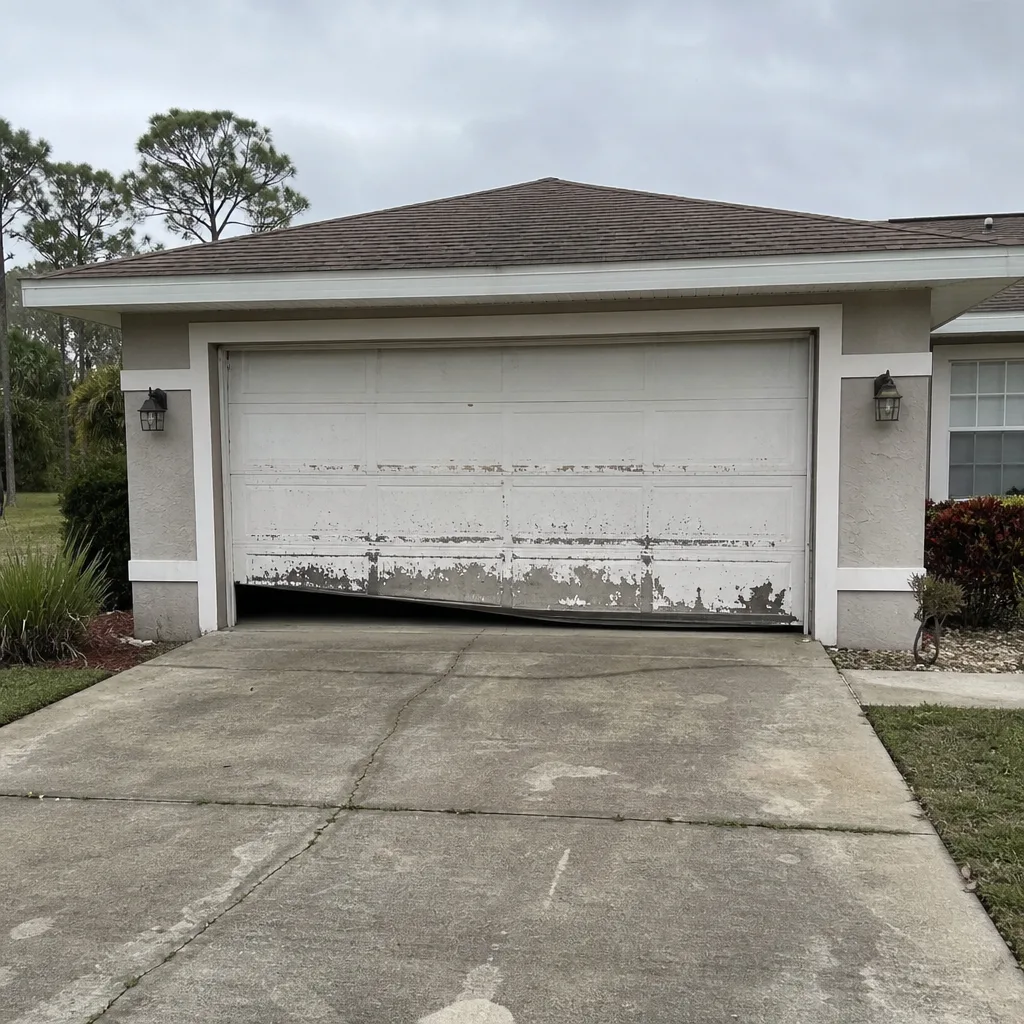 Before
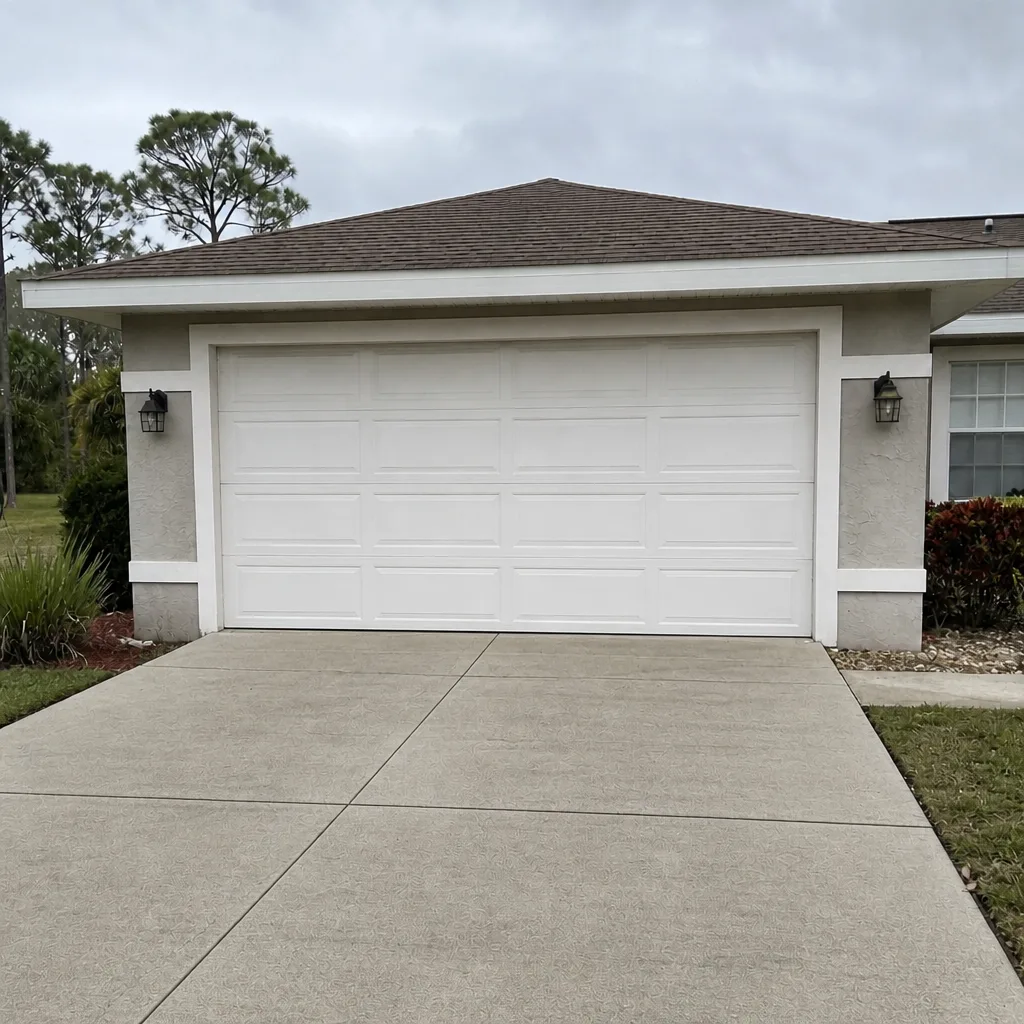 After
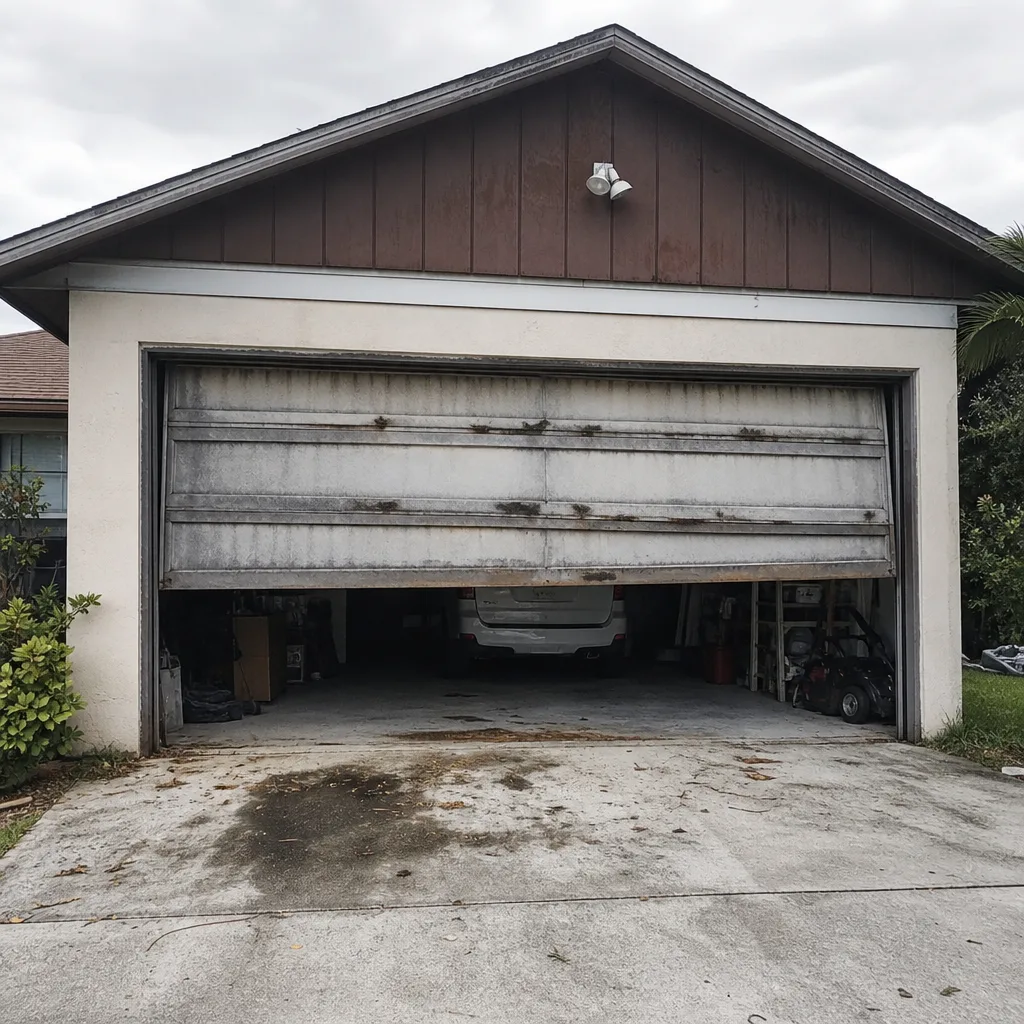 Before
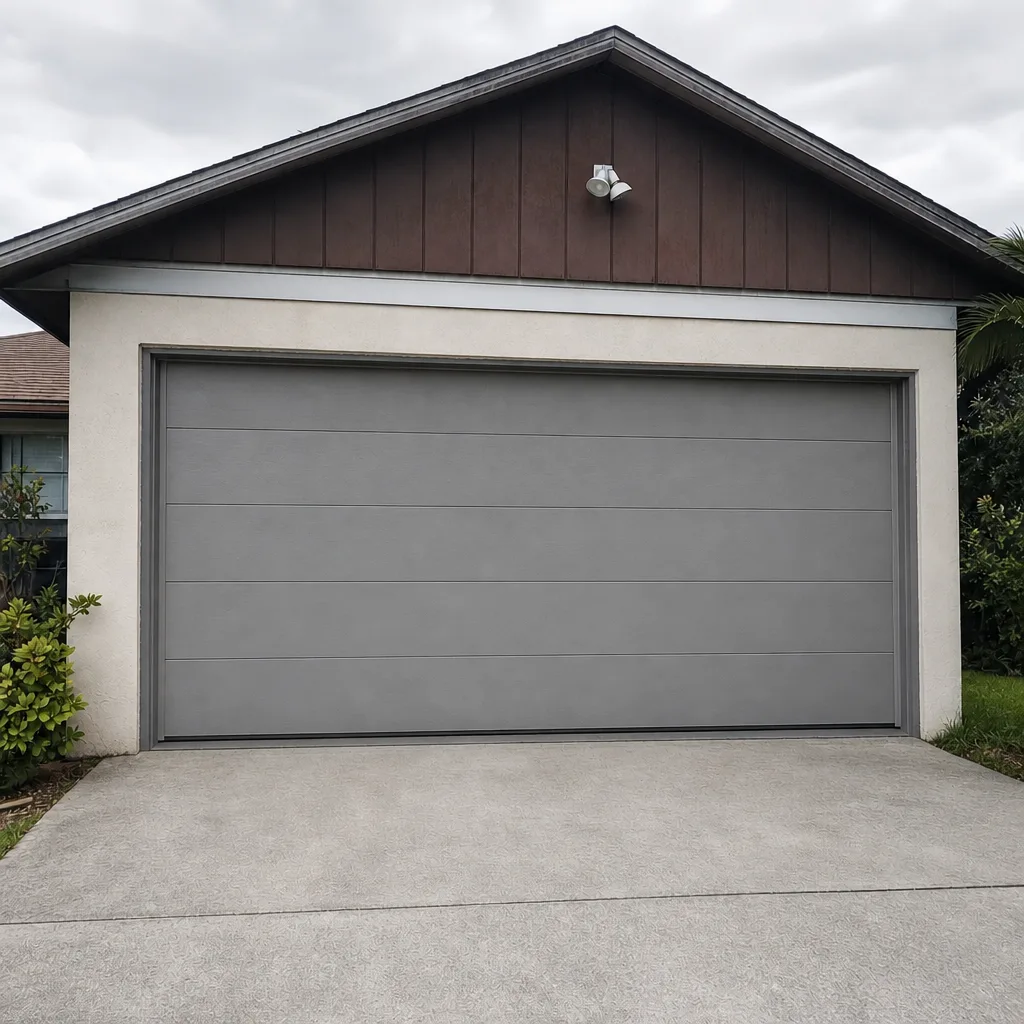 After
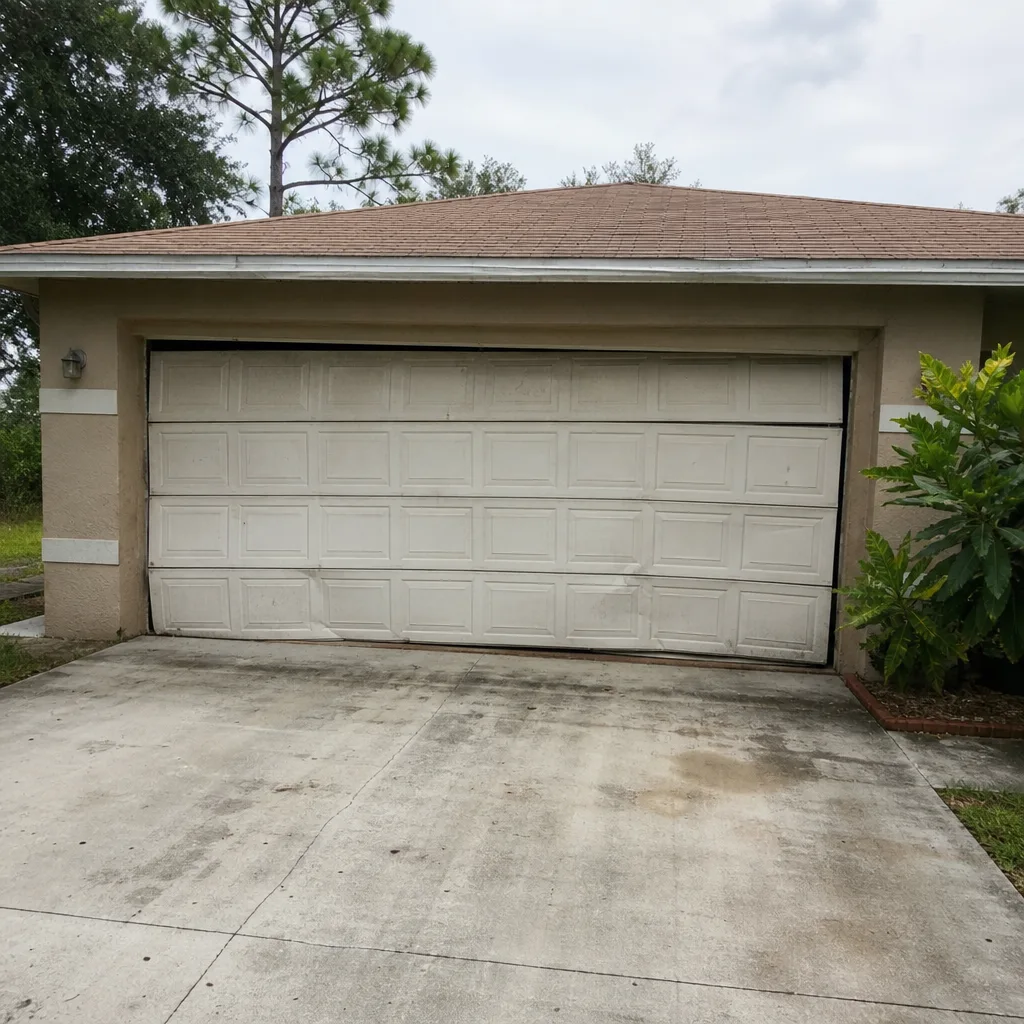 Before
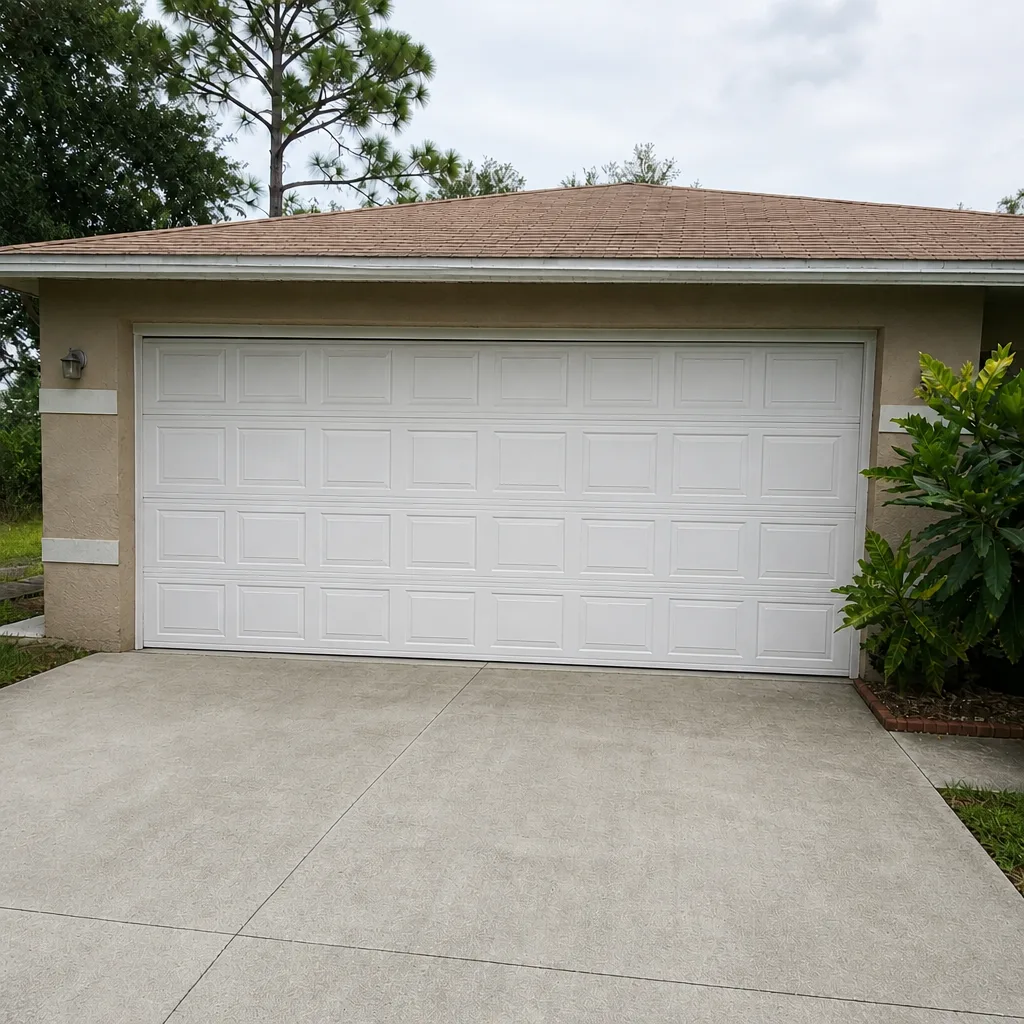 After