
Last updated November 22, 2026
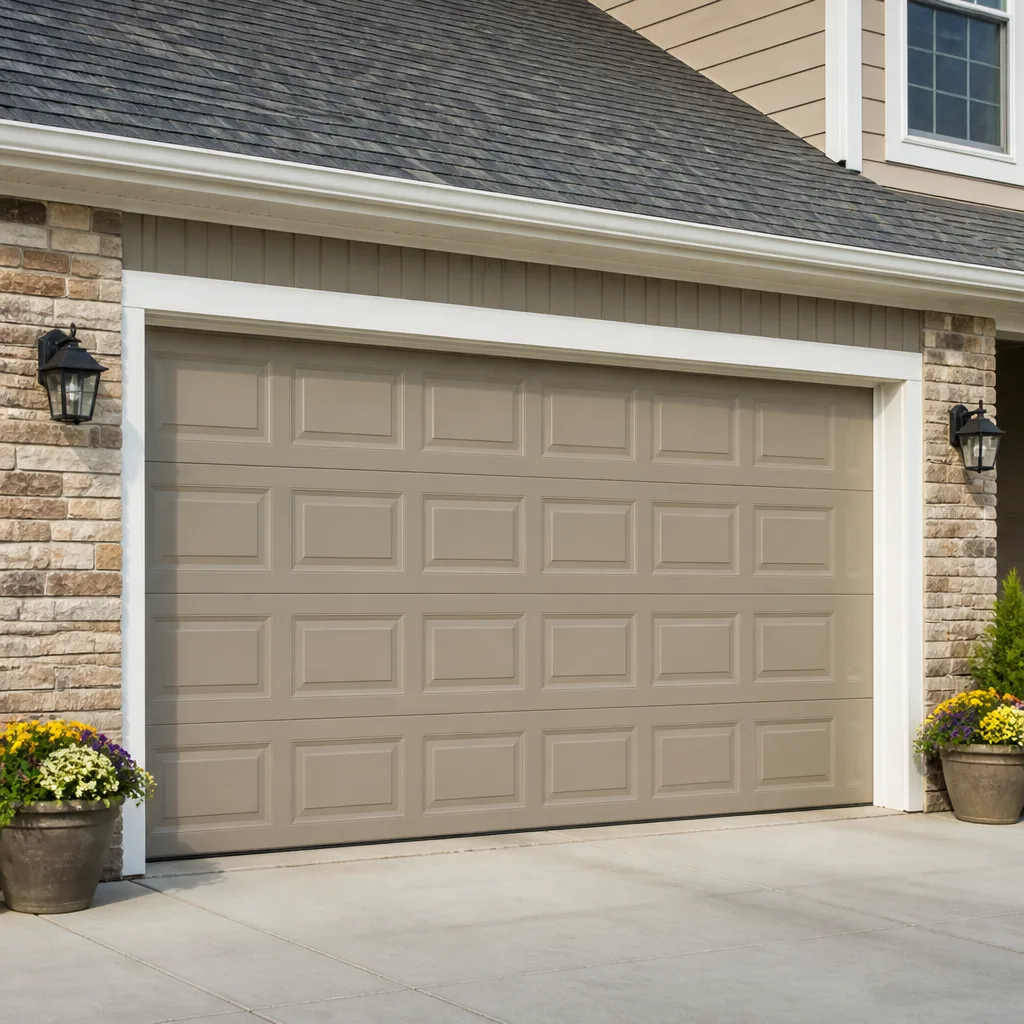 Raised-panel steel
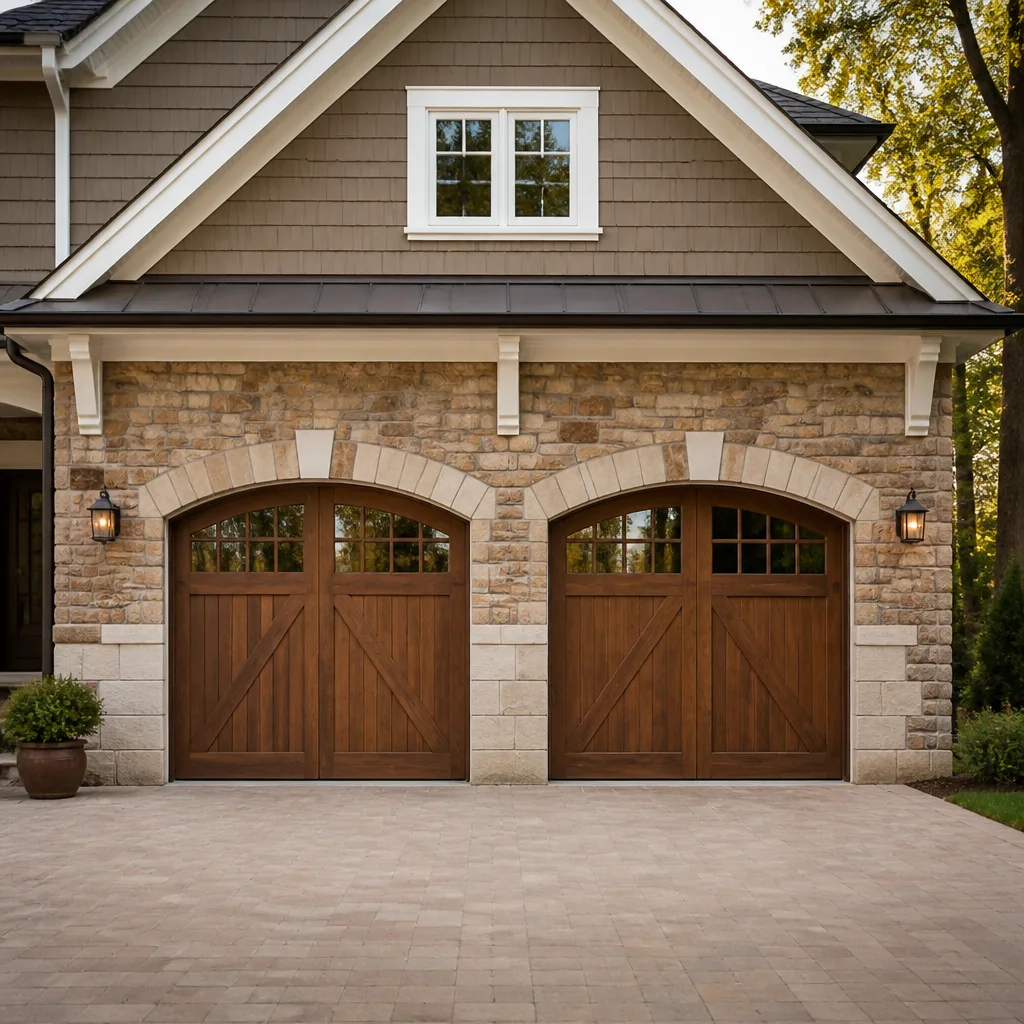 Carriage house
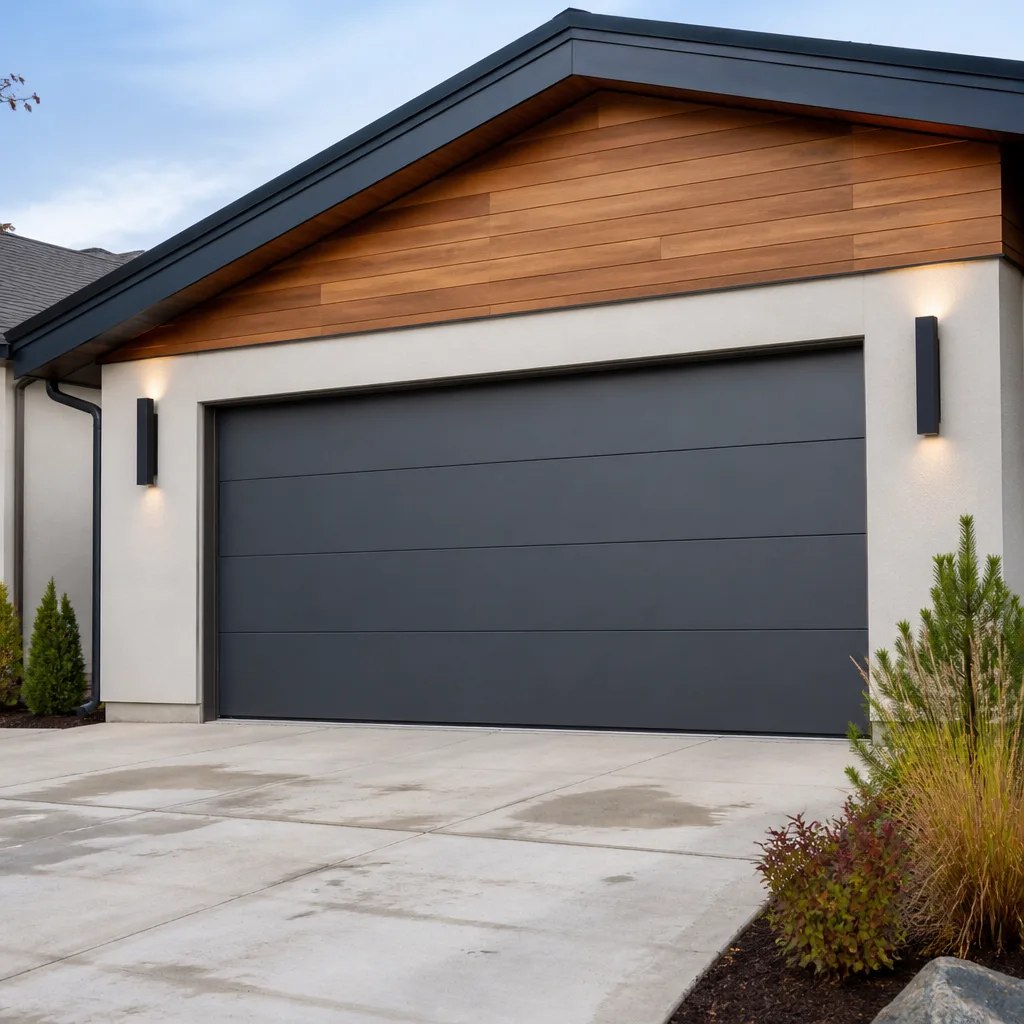 Modern flush
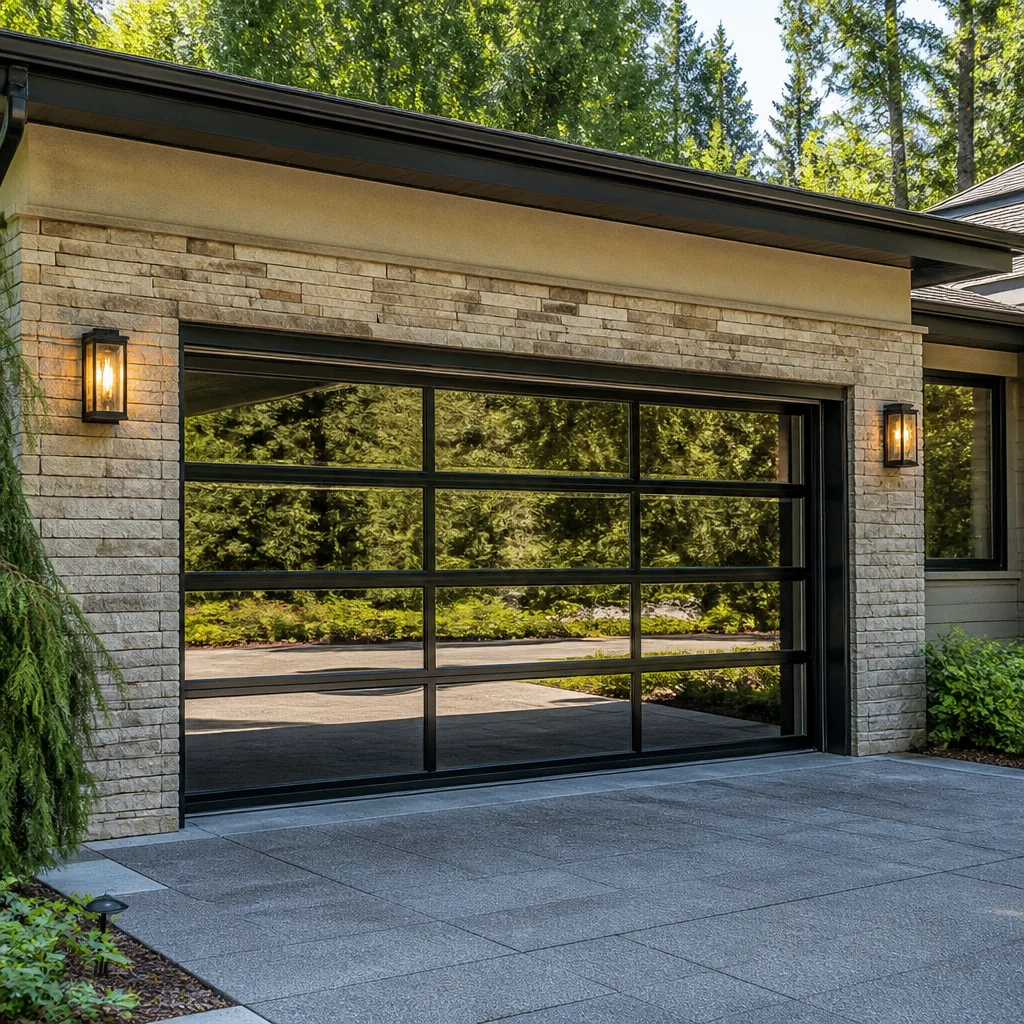 Full-view glass
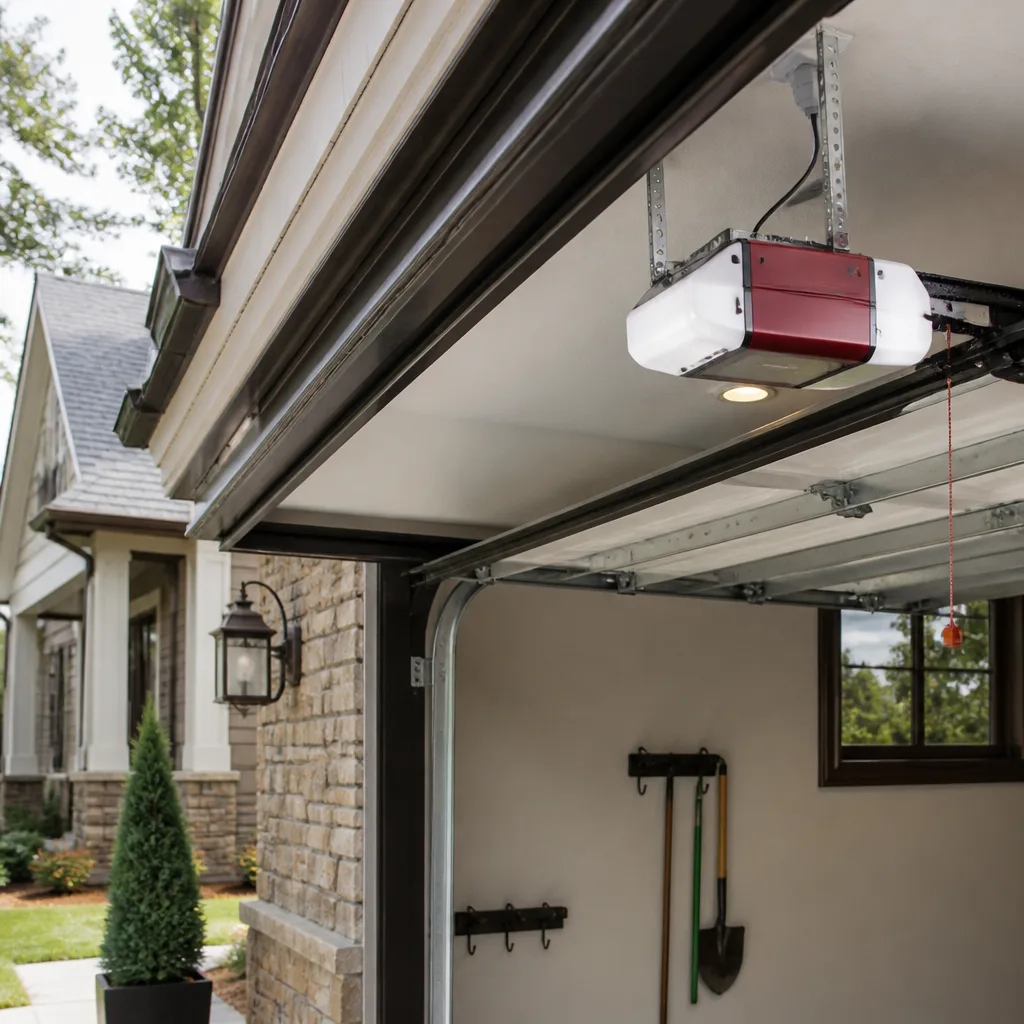 LiftMaster openers
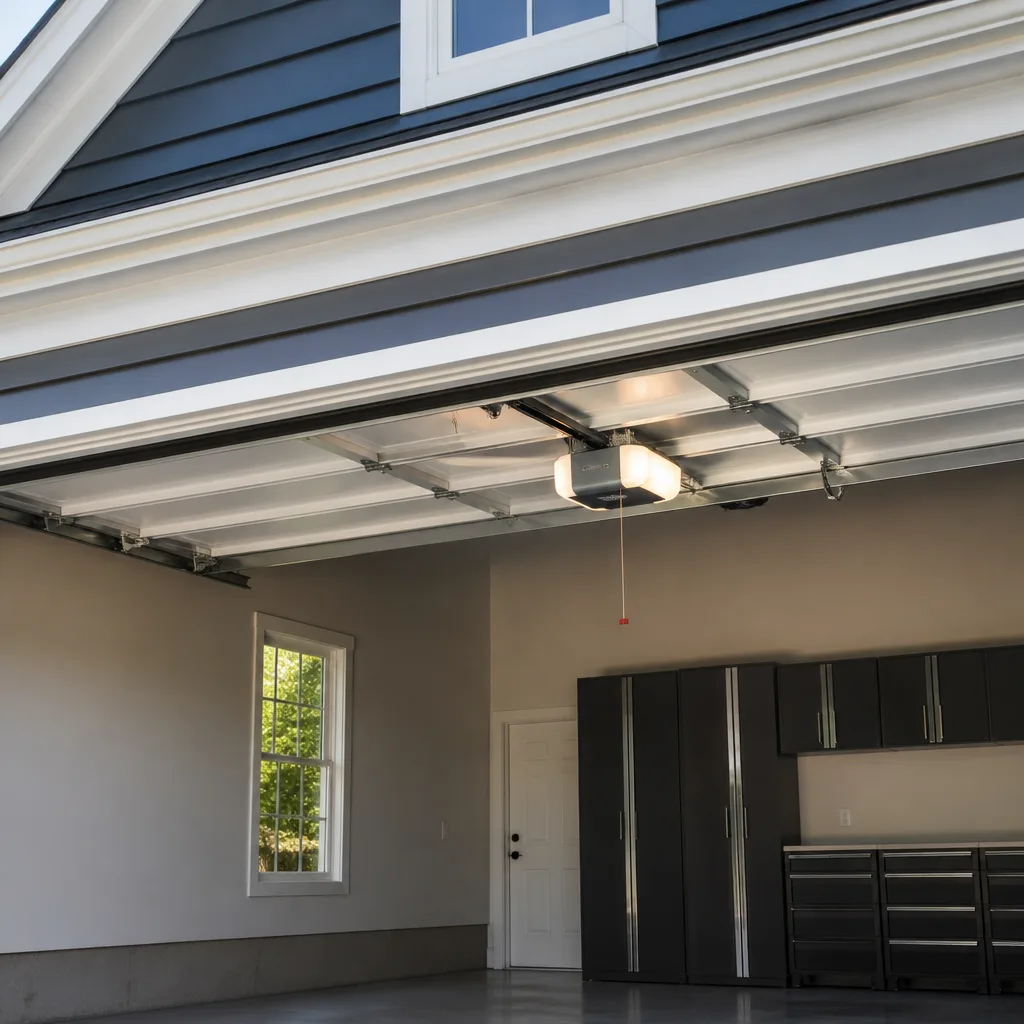 Chamberlain openers
Full 25-point door and opener safety check with every visit - springs, cables, rollers, tracks, and your LiftMaster or Chamberlain opener included
You get a price before we start. It does not change when the pro arrives.
Get your free estimateThe Complete Guide to Garage Doors in The Acreage
Most garage door guides are written for a standard 16-foot two-car opening in a tidy suburban subdivision. That’s not the reality on most of the lots out here. A significant share of homes in The Acreage run 18- to 20-foot custom openings, and plenty of properties add an RV bay, a workshop bay, or storage for tractors and trailers. When a door that wide gets spec’d like an ordinary suburban door, the springs carry more weight than they were built for, and they fail early. That single mismatch causes more repeat repair calls here than anything else. This guide walks through door sizing, spring types, opener horsepower, materials that survive western Palm Beach County weather, and how to make good decisions when no HOA is telling you what to do.
Styles & brands we work with
- Raised-panel steel
- Carriage house
- Modern flush
- Full-view glass
- LiftMaster openers
- Chamberlain openers
Quick Answer
Garage doors in The Acreage need to be chosen for wider-than-average openings and heavier doors, not copied from a standard suburban package. Match the spring type and opener horsepower to the actual door weight, pick materials that handle summer humidity and afternoon storms, and get a written estimate before work begins. Do that and the door lasts; skip it and the springs, opener, and panels pay the price.
Table of Contents
- Why The Acreage’s Lot Sizes Change Everything About Your Garage Door
- How to Size a Door and Opening for an Acreage Property
- Spring Type, Door Weight, and Opener Horsepower: The Full Decision Map
- Which Door Materials Hold Up to Western Palm Beach County Weather
- Well Water, Irrigation, and Hardware Corrosion
- Building Without an HOA: Freedom and Costly Mistakes
- A Maintenance Routine That Fits a Large Property
- What Garage Door Work Typically Costs in The Acreage
- Common Mistakes to Avoid
- When to Call a Professional
- Frequently Asked Questions
- The Bottom Line
Why The Acreage’s Lot Sizes Change Everything About Your Garage Door
Acreage lots are big. Big lots mean long driveways, outbuildings, and garages that get used for more than parking two sedans. On a property like that, the garage becomes a working building: it stores the boat trailer, the riding mower, the utility tractor, the stack of feed or seed, and the tools that go with all of it. That changes what the door has to do.
A door that opens and closes twice a day for a commuter car lives a very different life than one that cycles a dozen times on a Saturday while equipment comes in and out. More cycles mean more wear on the springs, rollers, hinges, and opener. Heavier contents and wider openings mean more weight for the whole system to carry.
There’s a second factor most homeowners never think about: driveway length. A long driveway means more door travel time, more wind exposure when the door is open, and more chance that debris blows onto the track. It also means the opener runs longer per cycle, which puts more heat into the motor on a hot afternoon.
- Wider openings mean heavier doors, which demand springs rated for the actual load.
- Storage of trailers or equipment means more daily cycles and more wear.
- Long driveways expose the door and tracks to more wind-driven rain and debris.
- Warmer, more enclosed garages push openers harder in summer.
That’s the context this guide is written from. The Acreage isn’t a generic Florida suburb, and a garage door plan that treats it like one tends to cost more over time.
How to Size a Door and Opening for an Acreage Property
Sizing is the foundation of everything else. Get the opening width, height, and headroom right and the rest of the system follows. Get them wrong and you’ll fight the door for years. If you’re repairing an existing door rather than replacing it, start with our garage door repair page for the diagnostic side; sizing matters most when a door or opener is being replaced.
Start by measuring the actual clear opening, not the door panel. The opening is what the door has to cover, and it’s often slightly wider than the door the builder installed. Then check headroom above the opening, since the door has to travel up and back into the garage. Backroom matters too, because a standard door needs roughly the door height plus a bit of clearance behind the opening to travel into.
- Measure the clear opening width and height at the frame, in three places each, and use the smallest measurement.
- Measure headroom from the top of the opening to the ceiling, and backroom from the opening to the rear wall.
- Note any obstructions: water heater, shelving, structural beams, or storage racks in the door’s path.
- Weigh the existing door if you have one, or look at the manufacturer’s weight for a replacement of the same size.
- Check whether the opening was framed for a standard door or a custom one – look at the trim and header.
- Match the new door spec to the real weight, then match the springs and opener to the door.
For an 18- to 20-foot opening, a single door is rarely the best answer. Two doors, or one wide door built with heavier-gauge sections and reinforced struts, usually performs longer. That’s a conversation worth having before you order anything.
Spring Type, Door Weight, and Opener Horsepower: The Full Decision Map
These three things are a chain. The door weight decides the spring rating. The spring rating and the door weight together decide how hard the opener has to work. If one link is wrong, the whole system wears fast. Most premature failures we see in The Acreage come from a door, spring, or opener chosen as if the opening were an ordinary 16-footer.
Torsion or Extension Springs
Torsion springs mount on a shaft above the door and twist to lift the door’s weight. Extension springs run along the horizontal tracks on each side and stretch. Torsion springs are the better choice for wider, heavier doors because they balance the load more evenly and last longer in most cases. Extension springs are cheaper up front but wear faster and are harder to safely contain on a wide door.
Matching Springs to Door Weight
Springs are rated by the weight they’ll lift and by the number of cycles they’re designed for. A door that’s heavier than the spring was rated for will wear that spring out early, no matter the brand. Our garage door spring repair specialists size springs to the actual door weight, not to the opening width printed on a box.
Opener Horsepower
- Standard 1/2-horsepower openers fit lighter doors and low-cycle homes.
- 3/4-horsepower openers handle most single-car doors and moderate-weight two-car doors.
- 1-horsepower and up suits heavy wood doors, insulated steel doors, and wide custom openings.
- Belt-drive openers run quieter than chain-drive, which matters in a shop or workshop garage.
- Smart openers add a camera or app control, but the motor size still has to match the door.
The mistake to avoid is upsizing the opener to compensate for a poorly balanced door. If the door is heavy, fix the springs first. An oversized opener on a bad spring is a bandage, and it hides a problem that will still fail. For opener-specific diagnostics, our garage door opener repair page covers the electrical and drive side. We service the major opener brands, including LiftMaster, Chamberlain, Genie, and Craftsman, so whatever you have on the wall, we can work on it.
Which Door Materials Hold Up to Western Palm Beach County Weather
Summer afternoons here bring thunderstorm cycles and humid nights, and a garage door takes the brunt of it. The door faces west or east depending on the house, takes direct sun for part of the day, and sits in a warm, damp garage the rest of the time. Materials that ignore that reality rust, warp, or fade early.
Insulated steel is the workhorse for most Acreage homes. It handles humidity well, resists warping, and the insulation keeps the garage a bit cooler and quieter. Look for a heavier-gauge steel if the door is wide, since a flimsy panel on an 18-foot opening will flex and rattle in the wind.
Aluminum is light and won’t rust, which makes it a good fit for wide openings where weight is a concern. It dents more easily than steel. Fiberglass and composite panels resist moisture and hold paint well, though the frames and hardware still need attention. Wood doors look great and hold up if they’re sealed and maintained, but they need more care in this climate than most homeowners expect.
- Insulated steel: best all-around for humidity and sun, choose heavier gauge on wide doors.
- Aluminum: light, rust-resistant, good for wide openings, dents more readily.
- Fiberglass or composite: moisture-resistant, needs periodic refinishing.
- Wood: attractive, needs sealing and regular maintenance.
Brands matter here too. Clopay and Amarr both build lines in steel and aluminum with insulated options suited to this climate, and Wayne Dalton has good options for homes that want a distinct look. Match the material to the opening width and the amount of sun the door takes, and the door will hold its finish far longer.
Well Water, Irrigation, and Hardware Corrosion
Many Acreage properties run on well water and irrigation systems, and the driveway often gets sprayed or oversprayed during the dry months. City-water neighborhoods don’t have this pattern. Irrigation overspray, sprinkler runoff, and the minerals in well water all land on the door’s bottom section, tracks, and hinges, and over time they accelerate corrosion on any steel hardware that isn’t well protected.
You’ll see it first at the bottom corners of the door, along the track where water pools, and on the hinges and rollers. A little surface rust turns into seized rollers and stiff hinges faster than most people expect.
- Aim sprinkler heads away from the door face and driveway edge.
- Wipe down the bottom section and track after heavy overspray.
- Check roller and hinge condition twice a year.
- Keep the track clean of grit and mineral buildup.
- Use corrosion-resistant rollers and hinges on doors that get wet.
If your property uses a well and irrigation system, mention it when you call. We can recommend hardware that survives the conditions, so you’re not replacing the same parts every year.
Building Without an HOA: Freedom and Costly Mistakes
One of the genuine advantages of The Acreage is that many properties don’t have an HOA dictating door color, panel style, and window placement. You can match your door to the house instead of to a committee. That freedom also creates a trap: without a standard to follow, homeowners sometimes order a door that’s a poor fit for the opening, the climate, or the rest of the property, and then pay for it twice.
The three costly mistakes we see when there’s no HOA:
- Ordering a wide door with standard springs because the door “looks light” on the website.
- Choosing a material for looks over long-term performance in this humidity.
- Adding windows or a decorative trim that looks good but adds weight and wind exposure.
The fix is simple. Decide the opening size, door weight, and material first, then choose the look. Not the other way around. A door that fits the property and holds up over time is worth more than one that matches a magazine photo but fights the climate and the spring system.
A Maintenance Routine That Fits a Large Property
Maintenance on an Acreage property should take a few minutes a month and a longer check twice a year. It’s not about doing the repairs yourself; it’s about catching the small stuff before it turns into a spring or opener failure.
- Test the door balance with the opener disconnected, pulling the release and lifting the door halfway. It should hold there on its own.
- Look at the springs and cables for visible stretch, rust, or fraying. Don’t touch them.
- Listen for grinding, popping, or uneven movement during a full cycle.
- Wipe the tracks clean and check that rollers roll smoothly, without flat spots.
- Check the bottom seal for cracks or gaps, and replace it if it’s stiff or torn.
- Test the safety reverse with a small object in the door’s path.
- Check the opener’s light and battery backup if it has one.
For the balance test and safety reverse, that’s it. For anything involving the springs, cables, or track alignment, call a trained professional. Springs and cables are under high tension and can cause serious injury if handled without the right tools and training. That’s a line we don’t cross, and we’ll always recommend a professional on that part.
What Garage Door Work Typically Costs in The Acreage
Prices vary by door size, brand, and what’s actually wrong, but these are typical ranges for common work on Acreage homes. Every quote is written and agreed before any work starts, so the final price is the estimate, not a surprise. The smaller local 16-foot door work tends to sit near the lower end. A wide 18- to 20-foot opening, heavy door, or premium opener moves toward the upper end.
| Job | Typical range (one item unless noted) |
|---|---|
| Spring replacement, one spring | $180 to $340 |
| Spring replacement, matched pair (wide or heavy door) | About twice the one-spring cost |
| Opener repair (motor, gear, logic board, or drive) | $120 to $350 |
| New opener install (standard door) | $300 to $650 |
| Panel or section replacement | $150 to $500 |
| Track and roller service | $100 to $250 |
| New door, standard single-car | $800 to $1,800 |
| New door, custom wide or heavy | Higher, quoted per property |
A matched pair is usually the right call when the springs are the same age, because the second spring is close behind the first. Spring repair is a genuine safety job, so if you’re facing a broken spring, don’t try to DIY it.
On installation and replacement, we come out, measure the opening, and give you a written price. That work is measured and scheduled, not promised same-day, because a wide or custom door has to be ordered. For repairs, same-day service is often possible. Either way, call The Acreage Garage Door Repair at (855) 931-4042 and we’ll give you a straight answer.
Common Mistakes to Avoid
- Matching the door to the opening width instead of the opening weight. A wide door looks like a standard door on paper but weighs far more, and the springs pay for the mistake.
- Letting a long driveway go without checking the bottom seal. Water pools near the door on long driveways, and a worn seal lets it into the track and hardware.
- Skipping the balance test after a spring repair. A newly replaced spring that’s not properly adjusted will wear the opener and the door quickly. Our spring repair team checks balance as part of the job.
- Ordering a door before you know the backroom and headroom. Custom Acreage openings sometimes have limited clearance, and a door that doesn’t fit costs more to fix than to spec right.
- Choosing a material for looks without checking humidity and sun exposure. Wood looks great until it needs refinishing every year, and an uninsulated steel door will make a workshop garage uncomfortably hot.
- Using an oversized opener to hide a heavy door. The opener’s motor wasn’t the problem. Fix the springs first, not the opener.
- Assuming the door’s last brand is the only one to look at. We work on LiftMaster, Chamberlain, Genie, Clopay, Amarr, Wayne Dalton, Craftsman, and Raynor, so you don’t have to track down a specialist for one brand.
When to Call a Professional
Call a professional for anything involving the springs, cables, or the balance of the door, since those parts are under high tension and can seriously injure you. Call us for a door that won’t close evenly, an opener that stops or reverses partway, a broken spring, a bent track, or a door that’s been hit. For widening or replacing an opening, or for a new door on a custom-sized bay, call before you order anything. Same-day service is often available for repairs, and installation work is measured and scheduled. The Acreage Garage Door Repair offers free estimates in The Acreage – call (855) 931-4042. We answer 24/7, with fast dispatch from 7am to 7pm, Sunday through Friday.
Frequently Asked Questions
The most common sizes here are wider than a typical suburban door, with a significant share of homes running 18- to 20-foot custom openings and many adding an RV, workshop, or equipment bay. That width matters because it raises the door weight and pulls the spring rating up with it. If you’re replacing a door, measure the clear opening at three points and use the smallest measurement, then check the headroom and backroom before ordering.
A new standard single-car door typically runs $800 to $1,800, and a custom wide or heavy door runs higher. Prices depend on the opening width, door material, insulation, and brand. We measure the opening and give you a written price before any work starts, so you’ll know the number before you commit. Call (855) 931-4042 for a free estimate.
Springs are rated by the weight they carry, and a wider door carries more weight. When a door is spec’d or replaced without matching the spring to the actual door weight, the spring wears early. Our garage door spring repair specialists match the spring to the door, and if the original springs were under-sized, we’ll say so. Call (855) 931-4042 to get a quote.
Not a different material exactly, but the wide-open lot layout here means more sun and wind exposure on the door face. Insulated steel holds up best overall, aluminum is good for lighter wide doors, and wood needs regular sealing. Irrigation overspray and well water can accelerate hardware corrosion, so corrosion-resistant rollers and hinges help. We can recommend the right material once we’ve seen the property.
Yes, we service the eight major brands installed in this area, including LiftMaster, Chamberlain, Genie, Clopay, Amarr, Wayne Dalton, Craftsman, and Raynor. That means you don’t have to call a different contractor for the door and the opener. Ask us about your specific model when you call (855) 931-4042, and we’ll confirm.
No. We give you a written estimate before any work begins, and the price is set per job by that estimate. If we find something unexpected after we’ve started, we’ll stop and talk to you before doing anything that changes the price. Call (855) 931-4042 for a free estimate.
The Bottom Line
Garage doors in The Acreage are a different job than they are in a standard suburban subdivision. The wide openings, heavy use, long driveways, irrigation overspray, and lack of HOA standards all push toward the same conclusion: match the door to the opening and match the springs and opener to the door. Do that first, then pick the material and the look. Our technicians have up to 10 years of experience, we work on the eight major brands, and parts are on hand rather than on order, so we can often fix the door without a second visit. Call (855) 931-4042 for a free estimate. We answer 24/7, with fast dispatch from 7am to 7pm, Sunday through Friday.
Written by the team at The Acreage Garage Door Repair.
See the difference
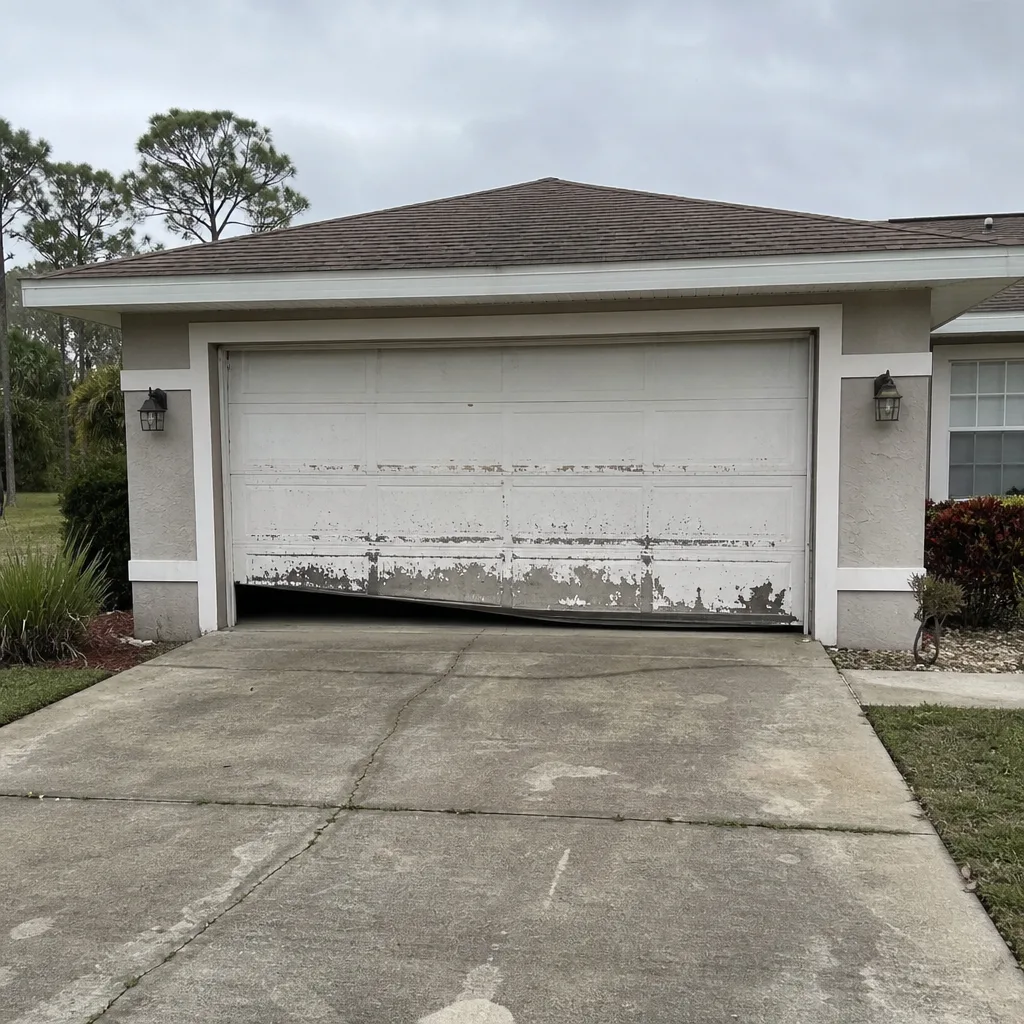 Before
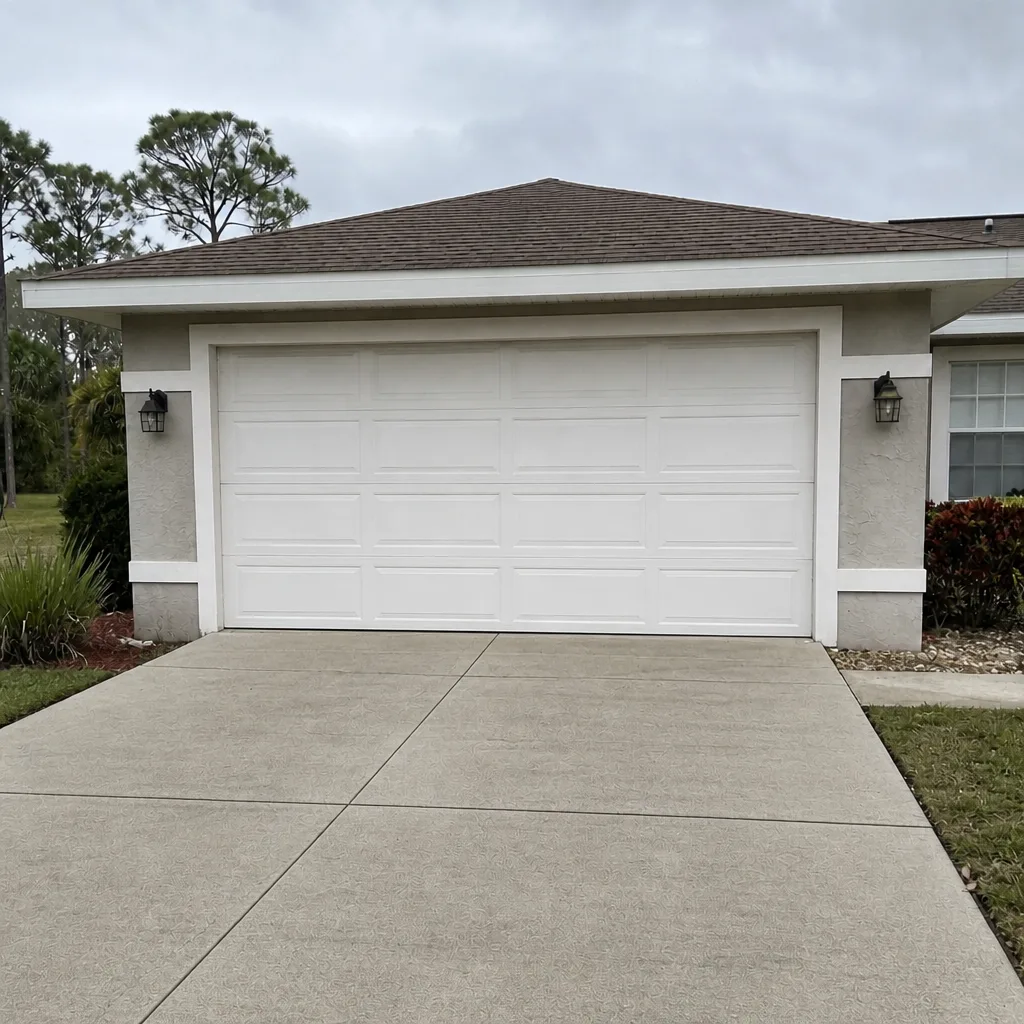 After
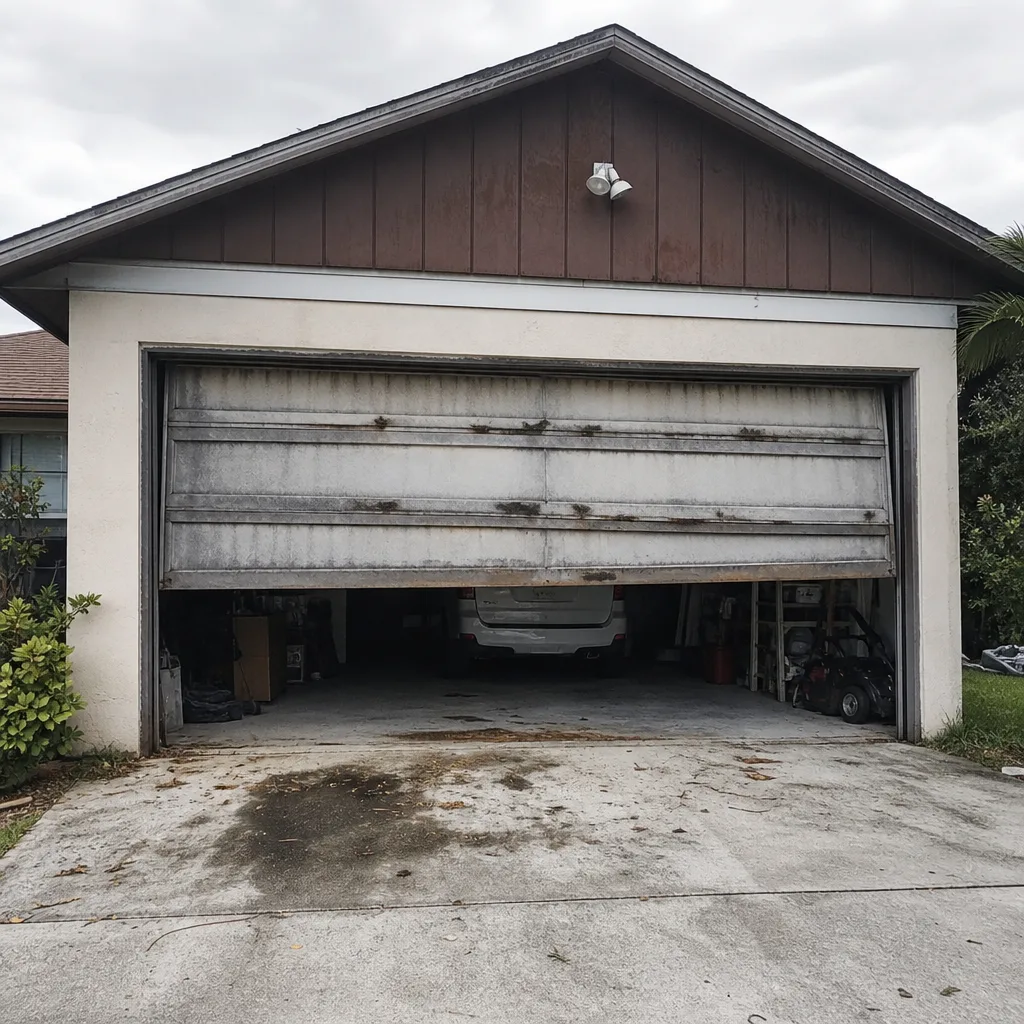 Before
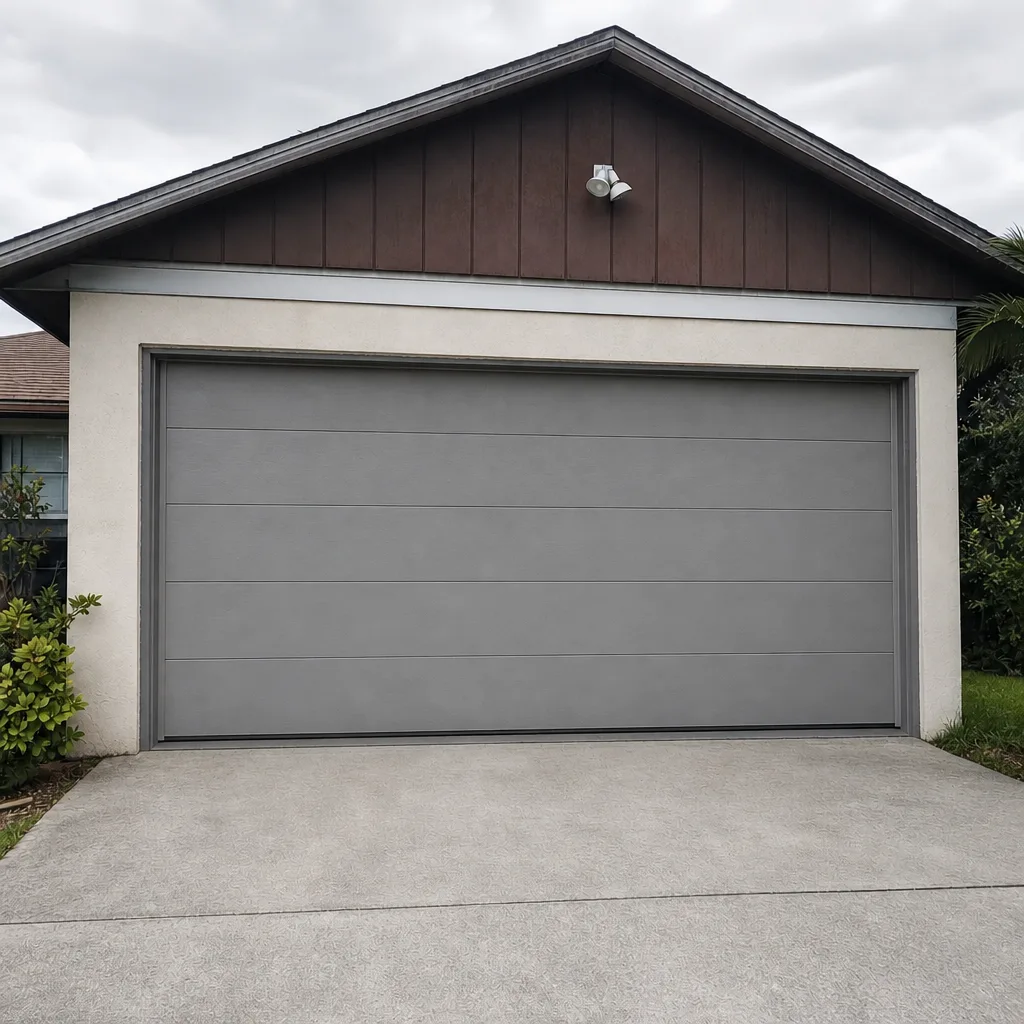 After
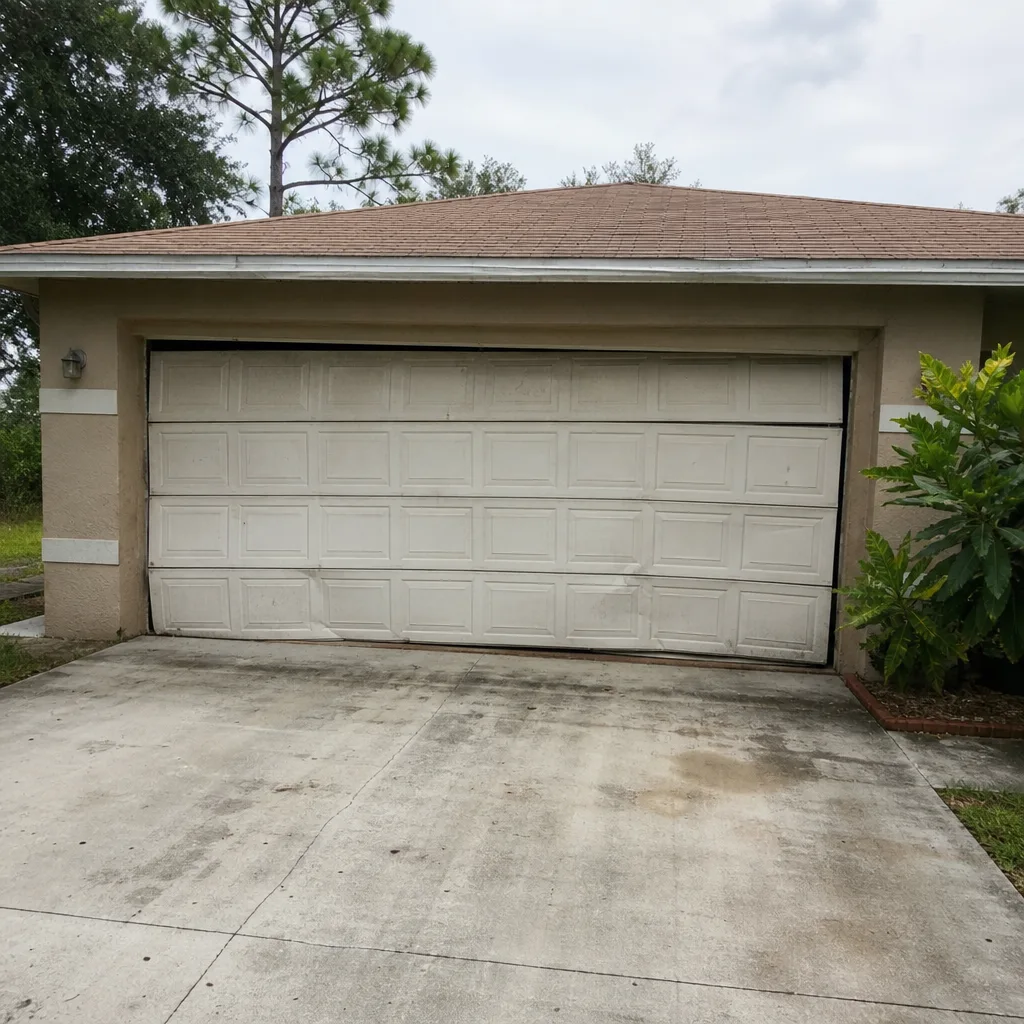 Before
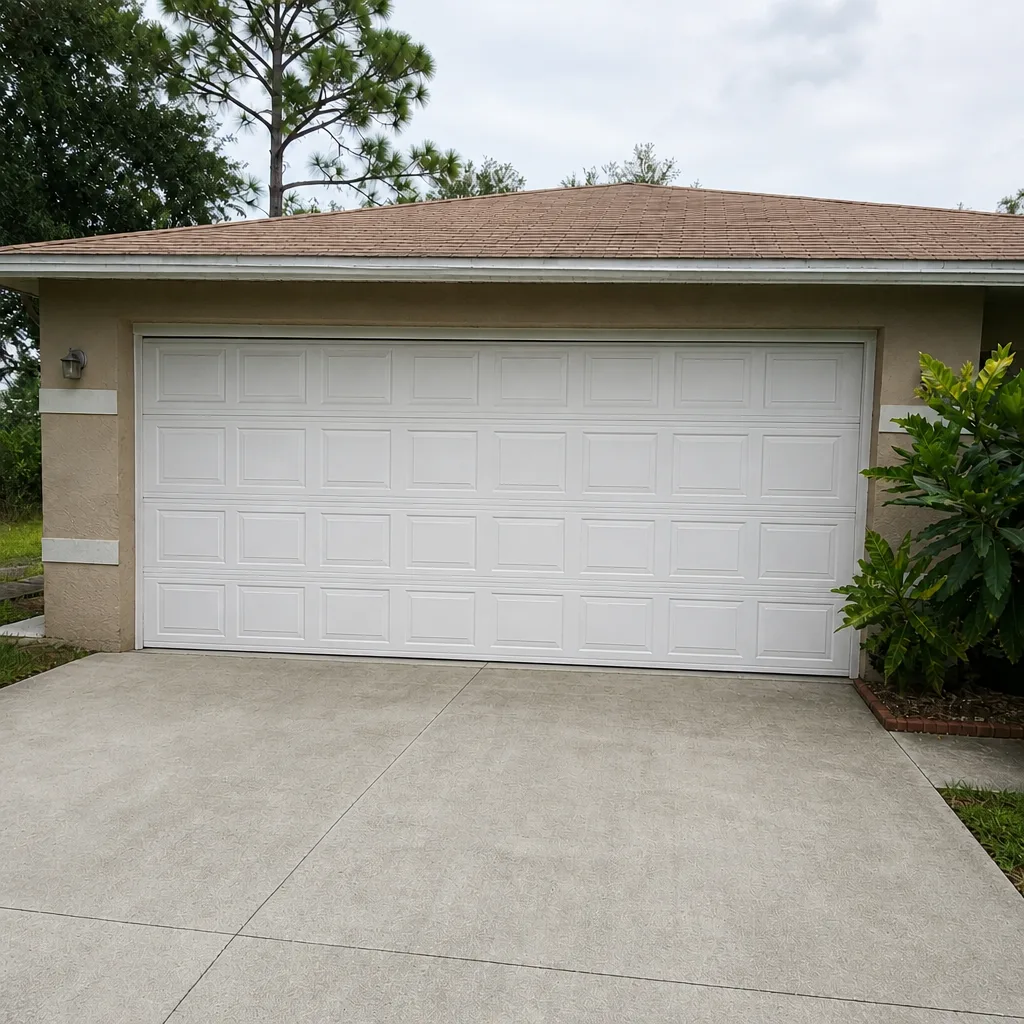 After